The Evolution of Digital Marketing Today
In today’s fast-paced digital world, the landscape of marketing has undergone a significant transformation. With the rise of technology and the internet, businesses are now leveraging digital marketing strategies to reach their target audience more effectively than ever before.
Key Trends in Digital Marketing
One of the key trends in digital marketing today is the shift towards mobile marketing. With the majority of consumers accessing the internet through their smartphones, businesses are focusing on creating mobile-friendly websites and targeted mobile advertising campaigns to engage with their audience on-the-go.
Social media marketing has also become a cornerstone of digital marketing strategies. Platforms like Facebook, Instagram, and Twitter offer businesses a direct line of communication with their customers, allowing them to build brand awareness, drive engagement, and generate leads.
The Importance of Content Marketing
Content marketing remains a crucial aspect of digital marketing today. By creating high-quality and relevant content that resonates with their target audience, businesses can establish themselves as industry leaders and build trust with consumers. Content such as blog posts, videos, infographics, and podcasts help drive organic traffic to websites and boost SEO rankings.
Data-Driven Decision Making
Another significant trend in digital marketing is the emphasis on data-driven decision making. By analysing customer behaviour and engagement metrics, businesses can gain valuable insights into their target audience’s preferences and tailor their marketing strategies accordingly. This approach allows for more personalised and targeted campaigns that yield better results.
The Future of Digital Marketing
As technology continues to advance at a rapid pace, the future of digital marketing holds even more exciting possibilities. Artificial intelligence, virtual reality, augmented reality, and voice search are just some of the emerging technologies that will shape the future of digital marketing strategies.
In conclusion, digital marketing today is dynamic and ever-evolving. Businesses that embrace these trends and adapt to changing consumer behaviours will be well-positioned to succeed in an increasingly competitive online marketplace.
Exploring Key Aspects and Emerging Trends in Digital Marketing Today: FAQs Answered
- What is digital marketing and why is it important?
- How can social media platforms be effectively used for digital marketing?
- What are the key benefits of content marketing in today’s digital landscape?
- How does search engine optimization (SEO) impact digital marketing strategies?
- What role does email marketing play in a successful digital marketing campaign?
- How can businesses measure the success of their digital marketing efforts?
- What emerging technologies are shaping the future of digital marketing?
What is digital marketing and why is it important?
Digital marketing encompasses a wide range of online strategies and tactics used by businesses to promote their products or services. In today’s digital age, where consumers are increasingly turning to the internet for information and purchases, digital marketing plays a crucial role in reaching and engaging with target audiences effectively. It is important because it allows businesses to connect with their customers in real-time, create personalised experiences, track performance metrics accurately, and reach a global audience at a fraction of the cost of traditional marketing methods. By leveraging digital marketing techniques such as social media advertising, content marketing, email campaigns, and search engine optimisation (SEO), businesses can enhance brand visibility, drive website traffic, generate leads, and ultimately increase sales and revenue.
How can social media platforms be effectively used for digital marketing?
In the realm of digital marketing today, leveraging social media platforms effectively is paramount to reaching and engaging with target audiences. Businesses can harness the power of social media by creating compelling and relevant content tailored to each platform’s unique audience demographics. By fostering authentic interactions, responding promptly to customer queries, and utilising targeted advertising features, businesses can build brand awareness, drive website traffic, and generate leads. Consistent monitoring of analytics and performance metrics allows for data-driven adjustments to strategies, ensuring that social media platforms are optimally utilised for successful digital marketing campaigns.
What are the key benefits of content marketing in today’s digital landscape?
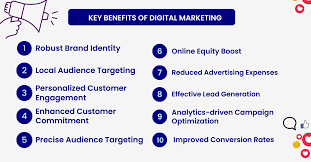
In today’s digital landscape, content marketing offers businesses a multitude of key benefits. Firstly, it allows companies to establish their authority and expertise in their industry by creating valuable and informative content that resonates with their target audience. This not only helps in building brand credibility but also fosters trust among consumers. Additionally, content marketing boosts organic traffic to websites through improved SEO rankings, driving more qualified leads and conversions. By engaging with customers through compelling storytelling and relevant content, businesses can nurture long-lasting relationships and enhance customer loyalty. Overall, the key benefits of content marketing in today’s digital world lie in its ability to drive brand awareness, increase online visibility, and ultimately drive business growth.
How does search engine optimization (SEO) impact digital marketing strategies?
Search engine optimization (SEO) plays a crucial role in shaping digital marketing strategies today. By optimising website content and structure to rank higher in search engine results pages, businesses can significantly increase their online visibility and attract more organic traffic. A well-executed SEO strategy not only improves a website’s search engine ranking but also enhances user experience, credibility, and trustworthiness. Ultimately, SEO helps businesses reach their target audience more effectively, drive quality leads, and achieve long-term success in the competitive digital landscape.
What role does email marketing play in a successful digital marketing campaign?
Email marketing plays a pivotal role in a successful digital marketing campaign by serving as a powerful tool for engaging with customers, building relationships, and driving conversions. With the ability to deliver personalised and targeted messages directly to a subscriber’s inbox, email marketing allows businesses to nurture leads, promote products or services, and keep their audience informed about updates and promotions. By leveraging email marketing effectively, businesses can enhance brand awareness, increase website traffic, and ultimately boost sales through strategic communication with their audience.
How can businesses measure the success of their digital marketing efforts?
In the realm of digital marketing today, businesses often wonder how they can effectively measure the success of their efforts in the online space. Key performance indicators (KPIs) play a crucial role in this process, allowing businesses to track and evaluate the impact of their digital marketing campaigns. Metrics such as website traffic, conversion rates, click-through rates, social media engagement, and return on investment (ROI) provide valuable insights into the effectiveness of various marketing strategies. By analysing these metrics and adjusting their tactics accordingly, businesses can gauge the success of their digital marketing efforts and make informed decisions to optimise their online presence.
What emerging technologies are shaping the future of digital marketing?
One frequently asked question in digital marketing today revolves around the emerging technologies that are shaping the future of the industry. From artificial intelligence and machine learning to virtual reality and voice search, these cutting-edge technologies are revolutionising how businesses engage with their target audience. By harnessing the power of data analytics and automation, businesses can create more personalised and targeted marketing campaigns that resonate with consumers on a deeper level. As these technologies continue to evolve, businesses that embrace them will be at the forefront of innovation and success in the ever-changing landscape of digital marketing.