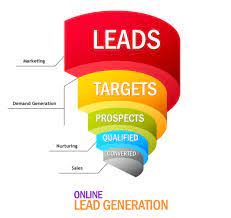
The Power of Lead Generation in Digital Marketing
In the world of digital marketing, lead generation plays a crucial role in helping businesses attract potential customers and convert them into loyal clients. Lead generation is the process of capturing interest in a product or service to nurture prospects into paying customers. With the right strategies and tools, businesses can effectively generate leads and drive revenue growth.
Why is Lead Generation Important?
Lead generation is essential for businesses looking to expand their customer base and increase sales. By generating quality leads, businesses can identify potential customers who are genuinely interested in their products or services. This targeted approach allows businesses to focus their marketing efforts on individuals who are more likely to make a purchase, resulting in higher conversion rates and a better return on investment.
Effective Strategies for Lead Generation
There are various strategies that businesses can use to generate leads in the digital marketing landscape:
- Content Marketing: Creating valuable and engaging content such as blog posts, videos, and infographics can attract potential customers and encourage them to provide their contact information.
- Social Media Marketing: Leveraging social media platforms to engage with followers, run targeted ads, and promote lead magnets can help businesses capture leads from a diverse audience.
- Email Marketing: Sending personalised emails with relevant content and offers can nurture leads through the sales funnel and convert them into customers.
- Paid Advertising: Utilising pay-per-click (PPC) advertising on search engines and social media platforms can drive traffic to landing pages designed to capture leads.
The Role of Data Analytics in Lead Generation
Data analytics plays a vital role in lead generation by providing insights into customer behaviour, preferences, and trends. By analysing data collected from various sources such as website traffic, email campaigns, and social media interactions, businesses can refine their lead generation strategies for optimal results. Data-driven decision-making enables businesses to target the right audience with the right message at the right time, increasing the likelihood of converting leads into customers.
In Conclusion
Lead generation is a fundamental aspect of digital marketing that empowers businesses to connect with potential customers and drive revenue growth. By implementing effective lead generation strategies supported by data analytics, businesses can maximise their marketing efforts and achieve sustainable success in today’s competitive online landscape.
Understanding Lead Generation in Digital Marketing: Key Questions and Insights
- What is lead generation in digital marketing?
- Why is lead generation important for businesses?
- What are the most effective strategies for lead generation in digital marketing?
- How can businesses use content marketing to generate leads?
- What role does social media marketing play in lead generation?
- Why is data analytics crucial for successful lead generation in digital marketing?
What is lead generation in digital marketing?
Lead generation in digital marketing refers to the process of attracting and capturing potential customers’ interest in a product or service through online channels. It involves identifying and engaging with individuals who have shown an interest in a business offering, nurturing them through the sales funnel, and ultimately converting them into paying customers. Lead generation strategies leverage various digital marketing tools and techniques, such as content marketing, social media engagement, email campaigns, and paid advertising, to generate quality leads that are more likely to result in sales. By understanding what lead generation entails and implementing effective tactics, businesses can effectively grow their customer base and drive revenue growth in the competitive online marketplace.
Why is lead generation important for businesses?
Lead generation is crucial for businesses as it allows them to identify and attract potential customers who have shown interest in their products or services. By generating quality leads, businesses can focus their marketing efforts on individuals who are more likely to convert into paying customers. This targeted approach not only increases the chances of closing sales but also helps in maximising the return on investment for marketing campaigns. Ultimately, lead generation plays a pivotal role in expanding a business’s customer base, driving revenue growth, and fostering long-term relationships with loyal clients.
What are the most effective strategies for lead generation in digital marketing?
When it comes to lead generation in digital marketing, businesses often wonder about the most effective strategies to attract and convert potential customers. Some of the most successful tactics include content marketing, social media marketing, email marketing, and paid advertising. Content marketing involves creating valuable and engaging content to capture leads’ interest, while social media marketing allows businesses to engage with a diverse audience and promote lead magnets. Email marketing is effective for nurturing leads through personalised communication, and paid advertising can drive targeted traffic to lead capture pages. By utilising a combination of these strategies tailored to their target audience, businesses can enhance their lead generation efforts and achieve better results in converting leads into loyal customers.
How can businesses use content marketing to generate leads?
Businesses can leverage content marketing as a powerful tool to generate leads in digital marketing. By creating valuable and engaging content such as blog posts, videos, and infographics that resonate with their target audience, businesses can attract potential customers and encourage them to provide their contact information. Content marketing allows businesses to establish credibility, build trust with prospects, and showcase their expertise in the industry. By offering informative and relevant content that addresses the needs and interests of their audience, businesses can capture leads and nurture them through the sales funnel towards conversion. Through strategic content creation and distribution across various channels, businesses can effectively generate leads and drive growth in their customer base.
What role does social media marketing play in lead generation?
Social media marketing plays a significant role in lead generation within the realm of digital marketing. With billions of active users across various platforms, social media provides businesses with a vast audience to engage and interact with. By leveraging social media channels effectively, businesses can create targeted campaigns, share valuable content, run ads, and engage in conversations to attract potential leads. Social media platforms also offer robust analytics tools that allow businesses to track user engagement, identify trends, and refine their lead generation strategies for optimal results. Overall, social media marketing serves as a powerful tool for businesses to generate leads, build brand awareness, and drive conversions in today’s digital landscape.
Why is data analytics crucial for successful lead generation in digital marketing?
Data analytics plays a pivotal role in successful lead generation in digital marketing due to its ability to provide valuable insights into customer behaviour, preferences, and trends. By harnessing the power of data analytics, businesses can make informed decisions about their lead generation strategies, ensuring that they target the right audience with the right message at the right time. Data analytics enables businesses to track and measure the effectiveness of their marketing campaigns, identify areas for improvement, and refine their approach to maximise lead conversion rates. Ultimately, data analytics empowers businesses to optimise their lead generation efforts for greater success and sustainable growth in today’s competitive digital landscape.