The Importance of Digital Marketing for Restaurants
In today’s competitive restaurant industry, having a strong digital marketing strategy is essential for attracting and retaining customers. With the rise of online platforms and social media, restaurants have a unique opportunity to reach a wider audience and engage with their customers in new ways.
Benefits of Digital Marketing for Restaurants
Increased Visibility: By utilising digital marketing techniques such as search engine optimisation (SEO) and social media marketing, restaurants can increase their online visibility and reach potential customers who may not have discovered them otherwise.
Targeted Advertising: Digital marketing allows restaurants to target specific demographics based on factors such as location, interests, and online behaviour. This targeted approach helps restaurants reach the right audience with their promotions and offers.
Customer Engagement: Social media platforms provide restaurants with a direct line of communication to engage with their customers. By sharing updates, responding to reviews, and running interactive campaigns, restaurants can build strong relationships with their audience.
Effective Digital Marketing Strategies for Restaurants
Website Optimisation: A user-friendly website that is mobile-responsive and easy to navigate is crucial for attracting and retaining customers. Restaurants should also ensure that their menu, contact information, and online booking options are easily accessible on their website.
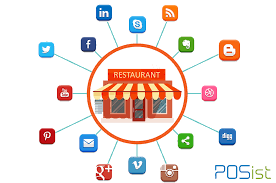
Social Media Presence: Maintaining an active presence on popular social media platforms such as Facebook, Instagram, and Twitter allows restaurants to showcase their menu items, share promotions, and interact with customers in real-time.
Online Reviews Management: Positive online reviews can significantly impact a restaurant’s reputation and credibility. Restaurants should actively monitor and respond to reviews on platforms like Google My Business, TripAdvisor, and Yelp to show appreciation for positive feedback and address any negative comments promptly.
In Conclusion
Digital marketing has become an indispensable tool for restaurants looking to stand out in a crowded market. By implementing effective digital marketing strategies, restaurants can attract new customers, retain existing ones, and build a loyal following that will help drive long-term success.
Top 7 Digital Marketing Tips to Boost Your Restaurant’s Online Presence
- Create a visually appealing website with easy navigation for online ordering.
- Utilize social media platforms to engage with customers and promote special offers.
- Implement an email marketing strategy to keep customers informed about new menu items and promotions.
- Optimize your website for mobile devices to cater to on-the-go customers.
- Encourage satisfied customers to leave positive reviews on popular review sites like TripAdvisor or Google Reviews.
- Collaborate with food bloggers or influencers to reach a wider audience and increase brand awareness.
- Offer online reservations or booking options to make it convenient for customers to dine at your restaurant.
Create a visually appealing website with easy navigation for online ordering.
Creating a visually appealing website with easy navigation for online ordering is a crucial tip for successful restaurant digital marketing. A well-designed website that showcases enticing food images, clear menu options, and seamless online ordering functionality can significantly enhance the overall customer experience. By making it easy for customers to browse the menu, place orders, and make reservations online, restaurants can attract and retain more customers while increasing their revenue potential. An aesthetically pleasing website with user-friendly navigation not only reflects the restaurant’s brand identity but also demonstrates a commitment to providing a convenient and enjoyable dining experience for patrons.
Utilize social media platforms to engage with customers and promote special offers.
To maximise the impact of restaurant digital marketing, it is essential to leverage social media platforms effectively. By actively engaging with customers on platforms like Facebook, Instagram, and Twitter, restaurants can create a direct line of communication that fosters relationships and builds brand loyalty. Furthermore, promoting special offers and exclusive deals through social media channels not only attracts new customers but also incentivises existing ones to visit again. This interactive approach not only increases visibility but also enhances customer engagement, ultimately leading to a more successful marketing strategy for restaurants.
Implement an email marketing strategy to keep customers informed about new menu items and promotions.
Implementing an email marketing strategy is a highly effective way for restaurants to keep their customers informed about new menu items and promotions. By sending regular updates and exclusive offers via email, restaurants can engage with their customers directly and encourage repeat visits. Email marketing allows restaurants to personalise their messages based on customer preferences, increasing the likelihood of driving sales and building customer loyalty. It also helps restaurants stay top-of-mind with their audience, ultimately leading to increased brand awareness and customer engagement.
Optimize your website for mobile devices to cater to on-the-go customers.
In the realm of restaurant digital marketing, it is crucial to optimise your website for mobile devices to cater to on-the-go customers effectively. With more people using their smartphones and tablets to search for dining options, ensuring that your website is mobile-responsive and user-friendly can make a significant difference in attracting and retaining customers. By providing a seamless browsing experience on mobile devices, restaurants can make it easier for potential diners to access essential information such as menus, contact details, and online booking options while they are on the move. This simple yet essential tip can enhance the overall customer experience and contribute to the success of a restaurant’s digital marketing efforts.
Encourage satisfied customers to leave positive reviews on popular review sites like TripAdvisor or Google Reviews.
Encouraging satisfied customers to leave positive reviews on popular review sites like TripAdvisor or Google Reviews can greatly benefit a restaurant’s online reputation and credibility. Positive reviews not only attract new customers but also build trust and loyalty among existing ones. By actively prompting happy diners to share their experiences online, restaurants can leverage the power of word-of-mouth marketing in the digital age, ultimately boosting their visibility and standing out in a competitive market.
Collaborate with food bloggers or influencers to reach a wider audience and increase brand awareness.
Collaborating with food bloggers or influencers is a powerful strategy for restaurants to expand their reach and enhance brand visibility in the digital landscape. By partnering with individuals who have a strong online following and influence in the food industry, restaurants can tap into new audiences and leverage the credibility and trust that these bloggers or influencers have built with their followers. This collaboration not only helps restaurants showcase their offerings to a wider audience but also allows them to benefit from the authentic and engaging content that bloggers or influencers create, ultimately driving brand awareness and customer engagement.
Offer online reservations or booking options to make it convenient for customers to dine at your restaurant.
Offering online reservations or booking options is a crucial aspect of restaurant digital marketing. By providing customers with the convenience of booking a table online, restaurants can enhance the overall dining experience and streamline the reservation process. This not only makes it easier for customers to secure a table at their preferred time but also demonstrates a commitment to customer satisfaction. Additionally, online reservations allow restaurants to better manage their seating capacity and plan ahead for busy periods, ultimately improving operational efficiency and customer service.