The Power of Direct and Digital Marketing
Direct marketing and digital marketing are two powerful strategies that businesses use to reach their target audience and drive sales. While they have distinct approaches, both methods aim to engage customers and promote products or services effectively.
Direct Marketing
Direct marketing involves reaching out to potential customers individually, often through channels like direct mail, email, telemarketing, or SMS. This form of marketing allows businesses to tailor their messages to specific audiences, making it highly targeted and personalised. Direct marketing campaigns can yield high response rates as they directly address the needs and interests of recipients.
One key advantage of direct marketing is its ability to track responses accurately. Businesses can measure the success of their campaigns by monitoring metrics such as response rates, conversion rates, and ROI. This data-driven approach enables companies to refine their strategies for better results.
Digital Marketing
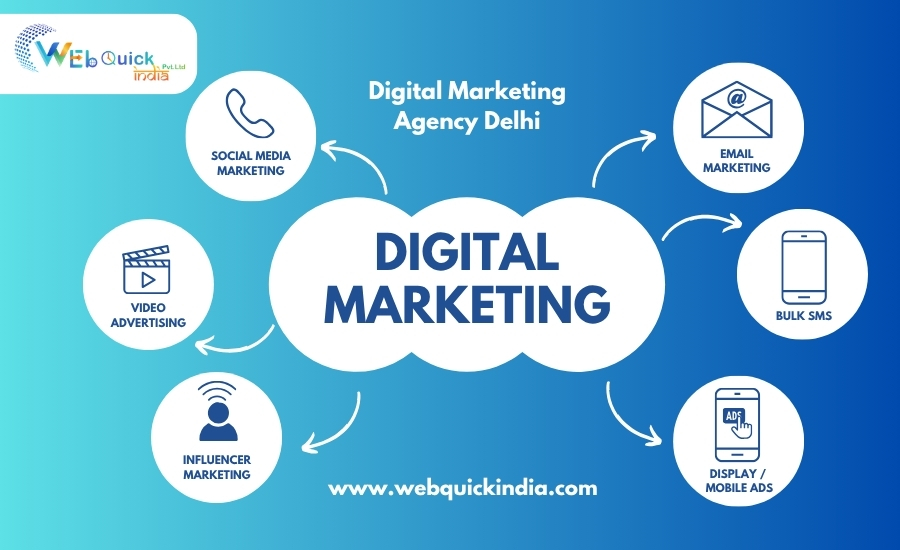
Digital marketing leverages online channels such as websites, social media, search engines, email, and mobile apps to connect with customers. It encompasses a wide range of tactics including content marketing, social media advertising, search engine optimisation (SEO), pay-per-click (PPC) advertising, and more.
One of the main benefits of digital marketing is its ability to reach a global audience quickly and cost-effectively. Businesses can target specific demographics based on factors like age, location, interests, and behaviour. Digital marketing also offers real-time analytics that provide insights into campaign performance and customer behaviour.
Integration of Direct and Digital Marketing
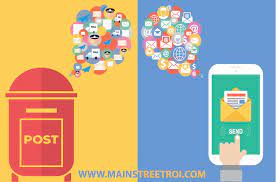
In today’s interconnected world, businesses often combine direct and digital marketing strategies for maximum impact. For example, a company may send personalised direct mail pieces with QR codes that lead recipients to a landing page or social media profile for further engagement.
By integrating these two approaches, businesses can create cohesive omnichannel campaigns that deliver consistent messaging across multiple touchpoints. This seamless experience helps build brand awareness, foster customer loyalty, and drive conversions effectively.
In Conclusion
Direct and digital marketing are powerful tools that businesses can use to engage customers in meaningful ways. Whether through personalised direct mail or targeted online ads, these strategies enable companies to connect with their audience on a personal level and drive business growth. By understanding the unique strengths of each approach and integrating them strategically, businesses can create successful marketing campaigns that resonate with their target market.
Understanding Direct and Digital Marketing: Key Differences, Benefits, and Strategies for Success
- What is the difference between direct marketing and digital marketing?
- How can direct marketing benefit my business?
- What are the advantages of digital marketing over traditional marketing?
- How can I measure the success of a direct marketing campaign?
- What are some common digital marketing strategies used by businesses?
- How can businesses integrate direct and digital marketing for a more effective approach?
What is the difference between direct marketing and digital marketing?
The key distinction between direct marketing and digital marketing lies in the channels used to reach consumers. Direct marketing involves reaching out to individuals through traditional methods like direct mail, telemarketing, or face-to-face interactions. On the other hand, digital marketing utilises online platforms such as websites, social media, email, and search engines to engage with a wider audience in a more targeted and measurable way. While direct marketing focuses on personalised communication with specific individuals, digital marketing leverages technology to connect with consumers through various digital touchpoints, offering real-time analytics and global reach. Both strategies aim to drive customer engagement and sales but differ in their approach and delivery mechanisms.
How can direct marketing benefit my business?
Direct marketing can greatly benefit your business by offering a targeted and personalised approach to reaching potential customers. Through direct marketing channels such as direct mail, email, telemarketing, or SMS, you can tailor your messages to specific segments of your audience, increasing the likelihood of engagement and conversion. Direct marketing allows you to deliver relevant and timely communications directly to individuals who are more likely to be interested in your products or services, leading to higher response rates and improved ROI. By leveraging the power of direct marketing, you can create meaningful connections with your target audience, drive sales, and ultimately grow your business effectively.
What are the advantages of digital marketing over traditional marketing?
When comparing digital marketing to traditional marketing, the advantages of digital marketing are evident in its ability to reach a wider audience, target specific demographics with precision, and provide real-time analytics for measuring campaign performance. Unlike traditional marketing methods such as print or TV ads, digital marketing allows businesses to connect with customers globally through online channels like websites, social media, and email. The cost-effectiveness and scalability of digital marketing make it a preferred choice for businesses looking to engage customers in a more targeted and measurable way. Additionally, the interactive nature of digital marketing enables immediate two-way communication with customers, fostering engagement and building relationships that drive long-term success.
How can I measure the success of a direct marketing campaign?
Measuring the success of a direct marketing campaign involves tracking various key performance indicators to evaluate its effectiveness. One common method is to monitor response rates, which indicate the level of engagement from the target audience. Conversion rates, such as the number of leads generated or sales made as a result of the campaign, are also crucial metrics to assess its impact. Additionally, calculating the return on investment (ROI) helps determine the profitability of the campaign by comparing the costs incurred with the revenue generated. By analysing these metrics and other relevant data, businesses can gain valuable insights into the performance of their direct marketing efforts and make informed decisions to optimise future campaigns.
What are some common digital marketing strategies used by businesses?
One of the most frequently asked questions regarding digital marketing is about the common strategies employed by businesses in this digital age. Businesses often leverage a variety of digital marketing tactics to reach their target audience effectively. Some common strategies include search engine optimisation (SEO) to improve website visibility in search engine results, social media marketing to engage with customers on popular platforms, email marketing to nurture leads and maintain customer relationships, content marketing to provide valuable information and attract prospects, and pay-per-click (PPC) advertising to drive targeted traffic to websites. These strategies, when implemented strategically, can help businesses increase brand awareness, generate leads, and boost conversions in today’s competitive online landscape.
How can businesses integrate direct and digital marketing for a more effective approach?
To enhance their marketing strategies and achieve a more impactful approach, businesses can integrate direct and digital marketing seamlessly. By combining the personalised and targeted nature of direct marketing with the vast reach and real-time analytics of digital marketing, companies can create cohesive campaigns that engage customers across multiple channels. For example, businesses can use direct mail to drive traffic to their website or social media platforms, where they can further interact with customers through targeted ads or email campaigns. This integration allows businesses to deliver consistent messaging, track campaign performance accurately, and provide a seamless experience for their audience, ultimately leading to improved brand visibility and higher conversion rates.