Social Media Marketing in Digital Marketing
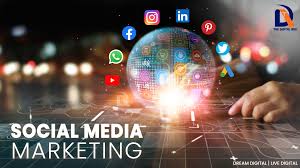
Social media marketing has become an integral part of digital marketing strategies for businesses of all sizes. With the rise of social networking platforms such as Facebook, Instagram, Twitter, and LinkedIn, businesses now have unprecedented opportunities to reach and engage with their target audience on a global scale.
One of the key benefits of social media marketing is its ability to create brand awareness and build relationships with customers. By sharing engaging content, interacting with followers, and running targeted advertising campaigns, businesses can establish a strong online presence and connect with their audience in a more personal and authentic way.
Moreover, social media platforms provide valuable insights into consumer behaviour and preferences through analytics tools. This data allows businesses to refine their marketing strategies, target specific demographics, and measure the effectiveness of their campaigns in real-time.
Another advantage of social media marketing is its cost-effectiveness compared to traditional advertising channels. Businesses can reach a large audience at a fraction of the cost by leveraging social media platforms to promote their products or services.
Furthermore, social media marketing enables businesses to stay ahead of industry trends, monitor competitors’ activities, and adapt quickly to changing market conditions. By staying active on social media channels and engaging with followers regularly, businesses can build trust and credibility within their industry.
In conclusion, social media marketing plays a crucial role in the overall digital marketing strategy of modern businesses. By harnessing the power of social networking platforms effectively, businesses can enhance brand visibility, engage with customers on a personal level, drive website traffic, generate leads, and ultimately increase sales revenue.
Essential FAQs on Social Media Marketing: Strategies, Platforms, and Success Metrics
- What is social media marketing and how does it differ from traditional marketing?
- Which social media platforms are most effective for digital marketing purposes?
- How can businesses use social media to increase brand awareness?
- What are the key benefits of incorporating social media into a digital marketing strategy?
- How can businesses measure the success of their social media marketing campaigns?
- What types of content perform best on social media for marketing purposes?
- How important is engagement with followers on social media for successful digital marketing?
- What role does influencer marketing play in social media strategies for businesses?
- How can businesses leverage paid advertising on social media platforms to enhance their digital marketing efforts?
What is social media marketing and how does it differ from traditional marketing?
Social media marketing is a digital marketing strategy that involves using social networking platforms to promote products or services, engage with customers, and build brand awareness. Unlike traditional marketing methods such as print ads or TV commercials, social media marketing relies on creating and sharing content on platforms like Facebook, Instagram, Twitter, and LinkedIn to reach a wider audience in a more interactive and targeted manner. Social media marketing allows businesses to engage with their audience in real-time, gather valuable insights through analytics tools, and build relationships with customers on a personal level. In contrast, traditional marketing tends to be more one-way communication-focused and may not offer the same level of direct interaction and feedback that social media platforms provide.
Which social media platforms are most effective for digital marketing purposes?
When it comes to digital marketing through social media, the choice of platforms can significantly impact the success of a marketing campaign. The most effective social media platforms for digital marketing purposes often depend on the target audience and the nature of the business. Platforms such as Facebook, Instagram, Twitter, LinkedIn, and YouTube are commonly used for their wide reach and diverse audience demographics. Facebook is ideal for businesses looking to engage with a broad audience, while Instagram is popular among visually-oriented brands. Twitter is great for real-time updates and customer engagement, while LinkedIn caters to a professional audience. YouTube is perfect for video content marketing. Ultimately, selecting the right mix of social media platforms tailored to the business goals and target audience is key to achieving successful digital marketing outcomes.
How can businesses use social media to increase brand awareness?
To increase brand awareness through social media, businesses can employ various strategies. Firstly, creating and sharing engaging content that resonates with their target audience is essential. This includes posting informative articles, visually appealing images, entertaining videos, and interactive polls to capture followers’ attention. Secondly, businesses can leverage social media advertising tools to reach a wider audience and target specific demographics based on interests, location, age, and other relevant factors. Engaging with followers by responding to comments, messages, and reviews also helps foster a sense of community and loyalty towards the brand. Collaborating with influencers or partnering with other brands for cross-promotion can further amplify brand visibility on social media platforms. By consistently implementing these tactics and monitoring performance metrics, businesses can effectively enhance their brand awareness through social media marketing in the digital landscape.
What are the key benefits of incorporating social media into a digital marketing strategy?
Incorporating social media into a digital marketing strategy offers a multitude of key benefits for businesses. Firstly, social media provides a platform to increase brand awareness and establish a strong online presence by engaging with a global audience. Secondly, it allows businesses to build relationships with customers through personalized interactions and targeted content, fostering loyalty and trust. Additionally, social media platforms offer valuable insights into consumer behaviour and preferences, enabling businesses to tailor their marketing efforts for maximum impact. Moreover, social media marketing is cost-effective compared to traditional advertising methods, making it accessible for businesses of all sizes to reach a wider audience. Overall, integrating social media into a digital marketing strategy enhances brand visibility, drives website traffic, generates leads, and ultimately boosts sales revenue.
How can businesses measure the success of their social media marketing campaigns?
Businesses can measure the success of their social media marketing campaigns through a variety of key performance indicators (KPIs) that help track the effectiveness and impact of their efforts. Metrics such as engagement rate, reach, click-through rate, conversion rate, and return on investment (ROI) provide valuable insights into the performance of social media campaigns. By analysing these metrics regularly, businesses can assess the reach and engagement levels of their content, monitor audience interactions, evaluate campaign effectiveness in driving website traffic and conversions, and ultimately determine the overall success of their social media marketing initiatives.
What types of content perform best on social media for marketing purposes?
When it comes to social media marketing, the types of content that perform best are those that are visually appealing, engaging, and relevant to the target audience. Visual content such as images, videos, infographics, and GIFs tend to attract more attention and generate higher levels of engagement on social media platforms. Additionally, user-generated content, customer testimonials, behind-the-scenes glimpses, and interactive polls or quizzes are also highly effective in capturing the interest of followers and encouraging them to interact with the brand. Ultimately, the key to success in social media marketing lies in creating a diverse mix of content that resonates with the audience’s interests and preferences while aligning with the brand’s overall marketing goals.
How important is engagement with followers on social media for successful digital marketing?
Engagement with followers on social media is paramount for successful digital marketing strategies. Building a strong connection with your audience through meaningful interactions, responding to comments and messages promptly, and creating engaging content that resonates with them can significantly impact brand loyalty and customer satisfaction. By fostering a sense of community and actively listening to your followers’ feedback, businesses can gain valuable insights, improve their products or services, and ultimately drive conversions. In today’s competitive digital landscape, prioritising engagement with followers not only boosts brand visibility but also establishes trust and credibility, leading to long-term success in the ever-evolving world of social media marketing.
What role does influencer marketing play in social media strategies for businesses?
Influencer marketing plays a significant role in social media strategies for businesses by leveraging the reach and influence of popular personalities to promote products or services to their engaged audience. Collaborating with influencers allows businesses to tap into a ready-made community of followers who trust and value the recommendations of their favourite influencers. By partnering with influencers whose values align with their brand, businesses can effectively enhance brand awareness, credibility, and engagement on social media platforms. Influencer marketing also enables businesses to reach specific target demographics, drive traffic to their websites, and ultimately boost sales through authentic and relatable content created by influencers.
How can businesses leverage paid advertising on social media platforms to enhance their digital marketing efforts?
Businesses can leverage paid advertising on social media platforms to enhance their digital marketing efforts by reaching a wider and more targeted audience. Paid social media ads allow businesses to create highly tailored campaigns that can reach specific demographics, interests, and behaviours, increasing the chances of engaging with potential customers. By investing in paid advertising, businesses can also boost brand visibility, drive website traffic, generate leads, and ultimately increase conversions. Additionally, social media platforms provide robust analytics tools that enable businesses to track the performance of their paid campaigns in real-time, allowing for quick adjustments and optimisations to maximise ROI.