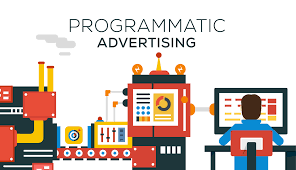
Digital Marketing vs. Traditional Marketing
Marketing has evolved significantly over the years, with the rise of digital technologies transforming the way businesses promote their products and services. In this article, we explore the key differences between digital marketing and traditional marketing.
Digital Marketing
Digital marketing encompasses a wide range of online tactics and strategies aimed at reaching target audiences through digital channels. This includes social media marketing, email marketing, search engine optimisation (SEO), pay-per-click advertising, content marketing, and more.
Advantages of digital marketing include its ability to target specific demographics, track campaign performance in real-time, and reach a global audience at a relatively low cost. Digital marketing also allows for greater personalisation and interactivity with consumers.
Traditional Marketing
Traditional marketing refers to conventional advertising methods such as television commercials, print ads, radio spots, billboards, and direct mail campaigns. While traditional marketing has been effective for many years, it is often more costly and less targeted than digital marketing.
One of the main advantages of traditional marketing is its ability to reach a broad audience quickly. However, measuring the effectiveness of traditional campaigns can be challenging compared to digital marketing’s precise analytics.
Conclusion
Both digital marketing and traditional marketing have their own strengths and weaknesses. While traditional marketing can still be effective for certain businesses, the shift towards digital channels is undeniable in today’s tech-savvy world.
Ultimately, the best approach for businesses is often a combination of both digital and traditional marketing strategies to maximise reach and engagement with their target audience.
Exploring the Benefits of Digital and Traditional Marketing: Targeted Reach, Cost-Effectiveness, and Strategic Versatility
- Highly targeted audience reach
- Real-time campaign performance tracking
- Global audience reach at a low cost
- Wide range of online tactics and strategies available
- Easier to measure ROI and campaign effectiveness
- Ability to reach a broad audience quickly
- Physical presence through print ads, billboards, etc.
Challenges in Digital and Traditional Marketing: Navigating Competition, Expertise, and Privacy Concerns
- 1. High competition
- 2. Technical expertise required
- 3. Rapid changes
- 4. Ad blindness
- 5. Data privacy concerns
- 5. Slow response time
Highly targeted audience reach
Digital marketing excels in its ability to reach highly targeted audiences through precise demographic, behavioural, and interest-based targeting. By leveraging data analytics and online tools, digital marketers can tailor their campaigns to specific audience segments, ensuring that the right message reaches the right people at the right time. On the other hand, traditional marketing also offers a unique advantage in reaching a broad audience quickly through mass media channels such as television, radio, and print. While digital marketing allows for laser-focused targeting, traditional marketing can generate widespread brand awareness and visibility across diverse demographics. Both approaches have their strengths in audience reach, offering businesses versatile options to connect with consumers effectively.
Real-time campaign performance tracking
One significant advantage of digital marketing is the ability to track campaign performance in real-time. With digital marketing strategies such as email marketing or social media advertising, businesses can monitor key metrics like click-through rates, conversions, and engagement levels instantly. This real-time data allows for quick adjustments to campaigns to improve effectiveness and maximise results. On the other hand, traditional marketing methods like print ads or TV commercials lack this immediate feedback loop, making it more challenging to gauge the success of a campaign in real-time.
Global audience reach at a low cost
One significant advantage of digital marketing is its ability to reach a global audience at a relatively low cost. Through online channels such as social media, email campaigns, and search engine advertising, businesses can connect with potential customers worldwide without the need for expensive international campaigns. Similarly, traditional marketing also offers the benefit of reaching a broad audience quickly through mediums like television commercials and print ads, albeit at a higher cost compared to digital strategies. Both digital and traditional marketing provide businesses with the opportunity to expand their reach and engage with audiences on a global scale, each offering its own unique advantages in terms of cost-effectiveness and audience targeting.
Wide range of online tactics and strategies available
Digital marketing offers a wide range of online tactics and strategies that provide businesses with the flexibility to reach their target audience through various digital channels. From social media marketing to email campaigns, search engine optimisation, and pay-per-click advertising, digital marketing allows for a highly customised approach to engaging with consumers in a more personalised and interactive manner. On the other hand, traditional marketing also offers a diverse set of strategies, including television commercials, print ads, radio spots, billboards, and direct mail campaigns, providing businesses with the opportunity to reach a broad audience quickly through established offline channels.
Easier to measure ROI and campaign effectiveness
One significant advantage of digital marketing is the ease of measuring Return on Investment (ROI) and campaign effectiveness. Through advanced analytics tools and tracking mechanisms, digital marketers can accurately monitor the performance of their campaigns in real-time, allowing for quick adjustments to maximise results. On the other hand, traditional marketing also offers measurable outcomes, albeit through methods like surveys, focus groups, and sales data analysis. While digital marketing provides instant data insights, traditional marketing strategies can still provide valuable feedback on campaign success over time.
Ability to reach a broad audience quickly
One notable advantage of traditional marketing is its ability to reach a broad audience quickly. Through mass media channels such as television, radio, print, and outdoor advertising, traditional marketing can effectively broadcast messages to a wide range of consumers in a short period of time. This broad reach allows businesses to create brand awareness and generate interest on a large scale, making traditional marketing a valuable tool for reaching diverse audiences with varying demographics and preferences.
Physical presence through print ads, billboards, etc.
One of the key advantages of traditional marketing is its ability to establish a physical presence through print ads, billboards, and other tangible mediums. These traditional marketing methods allow businesses to reach a wide audience in the physical world, creating brand awareness and visibility in high-traffic areas. The visual impact of print ads and billboards can leave a lasting impression on consumers, making them more likely to remember the brand or product being advertised. This physical presence can complement digital marketing efforts by providing a multi-channel approach to reaching and engaging with target audiences.
1. High competition
In both digital marketing and traditional marketing, high competition poses a significant challenge for businesses aiming to differentiate themselves and capture their target audience’s attention. In the realm of digital marketing, the oversaturation of platforms with competitors intensifies the struggle to stand out amidst the crowd. This fierce competition often leads to a constant battle for visibility and engagement, requiring businesses to employ innovative strategies to cut through the noise and make a lasting impact on consumers. Similarly, in traditional marketing channels, the abundance of companies vying for consumers’ attention through television ads, print media, and billboards creates a competitive landscape where standing out becomes increasingly difficult. As a result, businesses must navigate this competitive environment strategically to carve out their niche and effectively reach their target market.
2. Technical expertise required
Effective digital marketing often requires knowledge of various tools and technologies, which can be overwhelming for beginners. From understanding analytics platforms to mastering social media algorithms, the technical expertise needed in digital marketing can pose a significant challenge for those new to the field. This barrier to entry may deter individuals from fully embracing digital marketing strategies, limiting their ability to leverage the full potential of online platforms for promoting their products or services. Similarly, traditional marketing methods also demand a level of technical know-how, such as designing print materials or negotiating advertising space, which can be daunting for those without prior experience in the industry.
3. Rapid changes
In both digital marketing and traditional marketing, one significant con is the rapid pace of change. In digital marketing, trends and algorithms evolve swiftly, requiring businesses to continuously adapt their strategies to remain relevant and effective in reaching their target audience. Similarly, traditional marketing methods can also face challenges with rapidly changing consumer preferences and media consumption habits, making it crucial for marketers to stay agile and responsive to shifts in the market landscape.
4. Ad blindness
As technology advances, one significant drawback of both digital marketing and traditional marketing is the phenomenon of ad blindness. With the overwhelming amount of advertising content bombarding consumers daily, internet users have developed a skill for tuning out online ads, resulting in reduced engagement rates for digital marketing campaigns. This trend poses a challenge for marketers to find innovative ways to capture and retain the attention of their target audience amidst the sea of advertisements they encounter regularly.
5. Data privacy concerns
One significant con of both digital marketing and traditional marketing is the issue of data privacy concerns. In the realm of digital marketing, the collection and utilisation of customer data have sparked ethical debates regarding privacy and security. Consumers are increasingly wary of how their personal information is being gathered and shared, leading to a growing demand for stricter regulations to safeguard their data from misuse or breaches. This heightened focus on data privacy underscores the importance for businesses to adopt transparent and responsible practices in their marketing strategies to build trust with their audience.
5. Slow response time
One significant drawback of traditional marketing is the slow response time associated with planning, executing, and seeing results from campaigns. Unlike the immediacy of digital marketing strategies, traditional marketing methods often require more time to develop and implement, leading to delays in reaching target audiences and measuring campaign effectiveness. This lag in response time can hinder businesses’ ability to adapt quickly to market changes and consumer preferences, potentially impacting their overall marketing success.