In the world of digital marketing, pricing is a crucial factor that can greatly impact the success of a campaign. Understanding how digital marketing services are priced and what factors influence these costs is essential for businesses looking to make the most of their marketing budget.
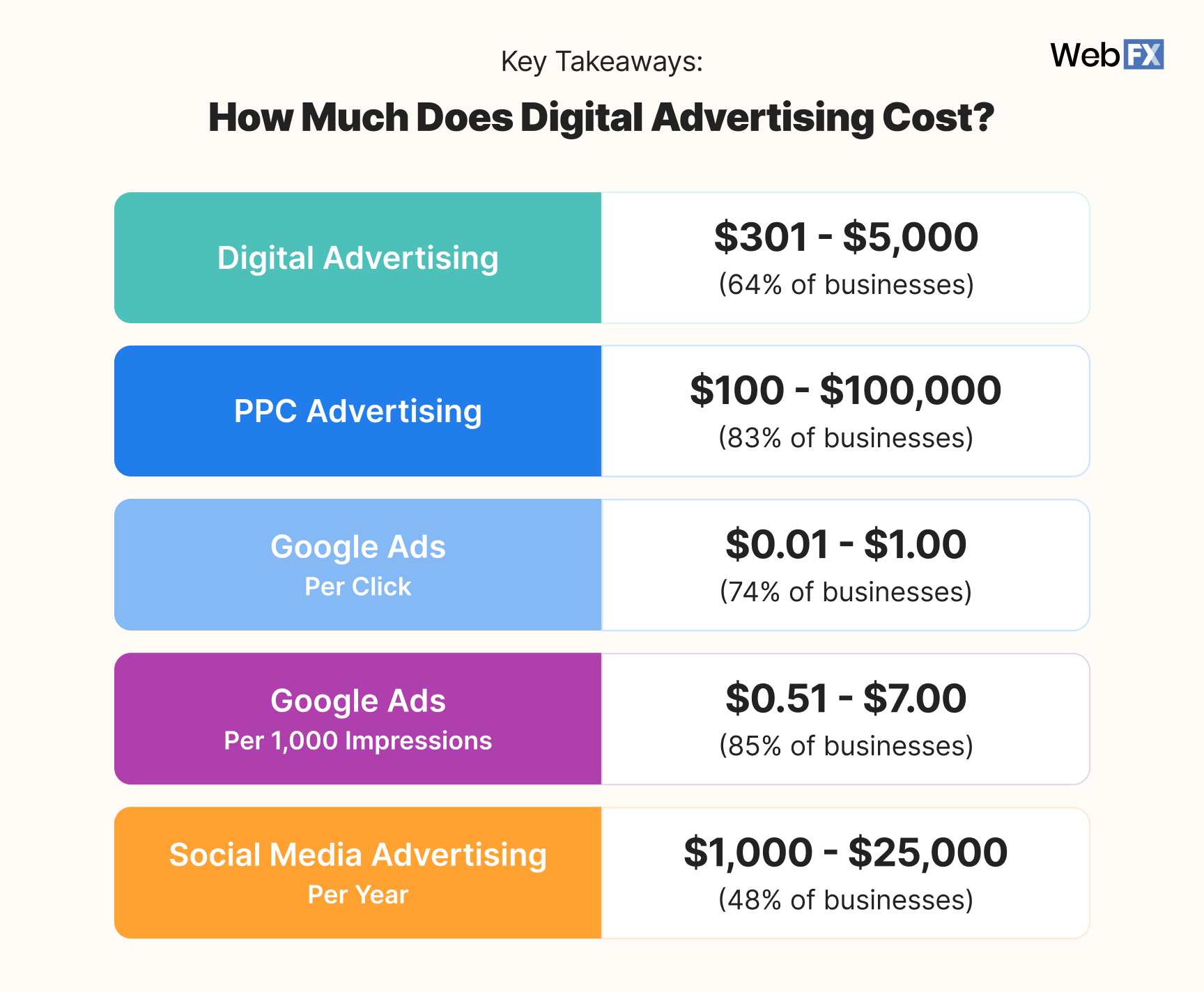
One common pricing model in digital marketing is the pay-per-click (PPC) model, where advertisers pay a fee each time their ad is clicked. This model allows businesses to only pay for actual clicks on their ads, making it a cost-effective option for driving targeted traffic to their websites.
Another popular pricing model is the cost-per-impression (CPM) model, where advertisers pay for every 1,000 impressions of their ad. This model is often used for brand awareness campaigns, as it allows businesses to reach a large audience without necessarily driving immediate clicks or conversions.
Some digital marketing agencies offer pricing based on a monthly retainer, where businesses pay a fixed fee each month for a set package of services. This model provides predictability in costs and allows businesses to access ongoing support and expertise from the agency.
Factors that can influence digital marketing pricing include the complexity of the campaign, the target audience, the competitiveness of the industry, and the goals of the campaign. For example, targeting a niche audience may require more research and resources, leading to higher costs.
It’s important for businesses to carefully consider their budget and goals when determining their digital marketing pricing strategy. Working with a reputable agency that offers transparent pricing and clear deliverables can help ensure that businesses get the most value out of their investment in digital marketing.
In conclusion, understanding digital marketing pricing models and factors that influence costs is key to running successful campaigns that drive results. By working with experienced professionals and setting clear objectives, businesses can make informed decisions about their digital marketing budget and maximise their return on investment.
Understanding Digital Marketing Pricing: Key Questions and Insights
- What are the common pricing models used in digital marketing?
- How does pay-per-click (PPC) pricing work in digital marketing?
- What is the cost-per-impression (CPM) pricing model in digital marketing?
- Why do some digital marketing agencies charge a monthly retainer fee?
- What factors influence the pricing of digital marketing services?
- How can the complexity of a campaign affect its pricing in digital marketing?
- Why is it important to consider the target audience when determining digital marketing pricing?
- How does industry competitiveness impact the cost of digital marketing campaigns?
- What should businesses consider when setting their budget for digital marketing?
What are the common pricing models used in digital marketing?
When it comes to digital marketing pricing, businesses often wonder about the common pricing models used in the industry. Some of the most popular pricing models in digital marketing include pay-per-click (PPC), cost-per-impression (CPM), and monthly retainers. The pay-per-click model charges advertisers for each click on their ads, offering a cost-effective way to drive targeted traffic. Cost-per-impression pricing involves paying for every 1,000 impressions of an ad, making it suitable for brand awareness campaigns. Monthly retainers allow businesses to pay a fixed fee each month for a set package of services, providing predictability in costs and ongoing support from the agency. Understanding these common pricing models can help businesses make informed decisions about their digital marketing budget and strategy.
How does pay-per-click (PPC) pricing work in digital marketing?
Pay-per-click (PPC) pricing in digital marketing works on the basis of advertisers paying a fee each time a user clicks on their ad. Advertisers bid on specific keywords relevant to their target audience, and the cost per click is determined by the competitiveness of those keywords. The higher the competition for a keyword, the higher the cost per click is likely to be. PPC campaigns can be tailored to specific budgets, allowing businesses to control their spending and track the performance of their ads in real-time. This pricing model is popular for its transparency and effectiveness in driving targeted traffic to websites, making it a valuable tool for businesses looking to increase their online visibility and generate leads.
What is the cost-per-impression (CPM) pricing model in digital marketing?
The cost-per-impression (CPM) pricing model in digital marketing is a method where advertisers pay for every 1,000 impressions of their ad. Impressions refer to the number of times an ad is displayed to users, regardless of whether they interact with it. This model is commonly used for brand awareness campaigns, as it allows businesses to reach a large audience and increase visibility without necessarily driving immediate clicks or conversions. With CPM pricing, advertisers can effectively measure the reach and exposure of their ads, making it a valuable tool for building brand recognition and increasing overall brand awareness in the digital space.
Why do some digital marketing agencies charge a monthly retainer fee?
Many digital marketing agencies charge a monthly retainer fee to provide ongoing support and services to their clients. This fee structure allows agencies to allocate resources consistently and dedicate time and effort to each client’s campaign on a regular basis. By charging a monthly retainer, agencies can offer a range of services, such as strategy development, content creation, campaign management, and performance analysis, over an extended period. This model fosters a long-term partnership between the agency and the client, ensuring that the client receives continuous support and expertise to achieve their marketing goals effectively.
What factors influence the pricing of digital marketing services?
Several key factors influence the pricing of digital marketing services. The complexity of the campaign, the target audience, the competitiveness of the industry, and the goals of the campaign all play a significant role in determining the cost of digital marketing services. For example, a campaign targeting a niche audience may require more research and resources, leading to higher costs. Additionally, factors such as the level of expertise and experience of the digital marketing agency, the scope of services provided, and the desired outcomes of the campaign can also impact pricing. Understanding these influencing factors is essential for businesses looking to develop a digital marketing strategy that aligns with their budget and objectives.
How can the complexity of a campaign affect its pricing in digital marketing?
The complexity of a digital marketing campaign can have a significant impact on its pricing. More complex campaigns often require additional resources, expertise, and time to execute effectively. Factors such as targeting multiple audience segments, creating customised content, implementing advanced tracking and analytics, and managing various channels simultaneously can all contribute to the complexity of a campaign. As a result, agencies may need to allocate more resources and manpower to ensure the success of a complex campaign, leading to higher pricing compared to simpler campaigns. Businesses should consider the level of complexity required for their marketing goals and budget accordingly when planning their digital marketing strategy.
Why is it important to consider the target audience when determining digital marketing pricing?
Considering the target audience is crucial when determining digital marketing pricing as it directly impacts the effectiveness and success of a campaign. Tailoring the marketing strategy to resonate with the specific needs, preferences, and behaviours of the target audience can lead to higher engagement, conversions, and return on investment. Different audience segments may require varying levels of research, customisation, and resources to effectively reach and engage with them, which can influence the overall cost of a digital marketing campaign. By understanding the target audience and aligning pricing strategies accordingly, businesses can ensure that their marketing efforts are tailored to maximise results and achieve their objectives.
How does industry competitiveness impact the cost of digital marketing campaigns?
The competitiveness of an industry can have a significant impact on the cost of digital marketing campaigns. In highly competitive industries where multiple businesses are vying for the attention of the same target audience, the cost of advertising can increase due to higher demand for ad space. This increased competition can drive up prices for keywords, ad placements, and other digital marketing resources, making it more challenging and expensive for businesses to stand out. As a result, businesses operating in competitive industries may need to allocate a larger budget to their digital marketing campaigns in order to effectively compete and achieve their desired results.
What should businesses consider when setting their budget for digital marketing?
When setting their budget for digital marketing, businesses should consider several key factors to ensure they get the best return on investment. Firstly, it’s crucial to define clear goals and objectives for the marketing campaign, whether it’s increasing brand awareness, driving website traffic, or boosting sales. Understanding the target audience and their online behaviour is also essential in determining the most effective digital marketing strategies to reach and engage potential customers. Additionally, businesses need to assess the competitiveness of their industry and allocate resources accordingly to stand out in a crowded digital landscape. By evaluating these factors and working with experienced professionals, businesses can set a realistic budget that aligns with their goals and maximises the impact of their digital marketing efforts.