The Evolution of Digital Marketing: Embracing Transformation
In today’s fast-paced digital landscape, the realm of marketing has undergone a significant transformation. The advent of technology and the rise of the internet have revolutionised the way businesses connect with their audience and promote their products or services. This shift has given birth to what we now know as digital marketing.
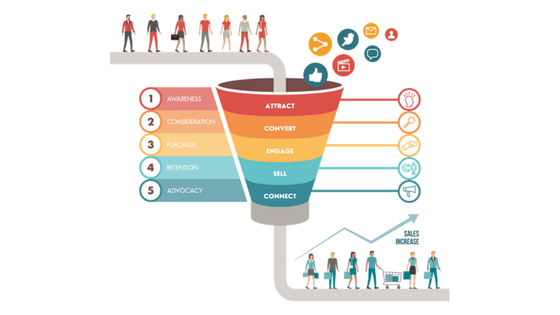
Digital marketing encompasses a wide range of online strategies and tactics aimed at reaching and engaging target audiences through various digital channels such as websites, social media, email, search engines, and more. As consumer behaviour continues to evolve in the digital age, businesses must adapt their marketing strategies to stay relevant and competitive.
The Impact of Digital Marketing Transformation
The transformation brought about by digital marketing has had a profound impact on how businesses interact with customers. Traditional methods of marketing are no longer sufficient in today’s connected world where consumers are constantly bombarded with information and choices.
With the rise of social media platforms, businesses now have the opportunity to engage directly with their audience in real-time, gather valuable insights into consumer preferences, and tailor their marketing efforts accordingly. Data analytics tools allow marketers to track campaign performance, measure ROI, and make data-driven decisions to optimise their strategies.
Embracing Change for Success
As digital marketing continues to evolve at a rapid pace, businesses must be willing to embrace change and adapt to new trends and technologies. Those who resist this transformation risk falling behind competitors who are quick to innovate and leverage the power of digital channels.
From content marketing and SEO to influencer partnerships and AI-powered automation tools, there is no shortage of opportunities for businesses to connect with their target audience in meaningful ways. By staying agile and open-minded, companies can position themselves for success in an ever-changing digital landscape.
The Future of Digital Marketing
Looking ahead, the future of digital marketing promises even greater innovation and disruption. Emerging technologies such as artificial intelligence, virtual reality, voice search, and blockchain are set to reshape the way businesses engage with consumers and deliver personalised experiences.
By staying informed about industry trends, investing in training for employees, experimenting with new strategies, and listening to customer feedback, businesses can navigate this era of digital transformation with confidence and drive sustainable growth in the years to come.
Top 10 Frequently Asked Questions on Digital Marketing Transformation Explained
- What is digital transformation in marketing?
- What are the 5 domains of digital transformation?
- What are the 4 P’s of digital transformation?
- What are the 4 types of digital transformation?
- What are the 5 A’s of digital transformation?
- What are the 4 pillars of digital transformation?
- What are the six stages of digital transformation?
- What are the 7 principles of digital transformation strategy?
- What are the 5 Ps of digital transformation?
- Why digital marketing transformation?
What is digital transformation in marketing?
Digital transformation in marketing refers to the strategic process of integrating digital technologies and innovative practices into all aspects of a marketing strategy to adapt to the evolving digital landscape. It involves leveraging digital channels, data analytics, automation tools, and customer insights to create more personalised and effective marketing campaigns. By embracing digital transformation, businesses can enhance their online presence, engage with their target audience in a more meaningful way, and ultimately drive better results for their marketing efforts. This shift towards digital transformation is essential for businesses looking to stay competitive and relevant in today’s technology-driven world.
What are the 5 domains of digital transformation?
In the realm of digital marketing transformation, one frequently asked question revolves around the five key domains that drive this process. These domains encompass various aspects of a business’s digital strategy and operations, including customer experience, operational processes, business models, workforce enablement, and digital platforms. By focusing on these domains, businesses can effectively navigate the complexities of digital transformation and leverage technology to enhance their competitiveness, engage with customers more effectively, streamline operations, empower their workforce with new skills and tools, and optimise their digital presence across platforms for sustained growth and success in the digital age.
What are the 4 P’s of digital transformation?
In the realm of digital marketing transformation, the concept of the 4 P’s plays a crucial role in guiding businesses towards success. The 4 P’s of digital transformation refer to People, Process, Platforms, and Performance. People emphasise the importance of having a skilled workforce that is adaptable and open to change. Process involves streamlining workflows and implementing efficient systems to drive innovation. Platforms focus on selecting the right digital tools and technologies to enhance marketing efforts. Lastly, Performance centres on measuring outcomes, analysing data, and continuously improving strategies to achieve business objectives in the ever-evolving digital landscape. By understanding and effectively implementing these 4 P’s, businesses can navigate the complexities of digital transformation with clarity and purpose.
What are the 4 types of digital transformation?
Digital marketing transformation encompasses various types of digital initiatives aimed at revolutionising how businesses engage with their audience and drive growth. The four key types of digital transformation include business process transformation, which focuses on streamlining internal operations and enhancing efficiency; customer experience transformation, which prioritises delivering personalised and seamless experiences across all touchpoints; business model transformation, which involves rethinking revenue streams and adapting to changing market dynamics; and cultural transformation, which emphasises fostering a digital-first mindset and promoting innovation throughout the organisation. Each type plays a crucial role in shaping the future of digital marketing and enabling businesses to thrive in the digital age.
What are the 5 A’s of digital transformation?
In the realm of digital marketing transformation, the concept of the 5 A’s plays a crucial role in guiding businesses towards success. The 5 A’s of digital transformation refer to Awareness, Assessment, Alignment, Action, and Analysis. These key elements provide a structured framework for businesses to navigate their digital transformation journey effectively. By first raising awareness about the need for change, followed by assessing current capabilities, aligning strategies with business goals, taking decisive actions, and analysing results for continuous improvement, companies can adapt and thrive in the ever-evolving digital landscape.
What are the 4 pillars of digital transformation?
In the realm of digital marketing transformation, the concept of the “4 pillars of digital transformation” serves as a guiding framework for businesses looking to navigate and thrive in the digital landscape. These four pillars typically encompass areas such as customer experience, operational agility, business model innovation, and workforce enablement. By focusing on enhancing customer interactions, adapting quickly to market changes, exploring new revenue streams, and empowering employees with the necessary skills and tools, businesses can lay a solid foundation for successful digital transformation efforts that drive growth and competitiveness in today’s dynamic business environment.
What are the six stages of digital transformation?
In the realm of digital marketing transformation, understanding the six stages of digital transformation is crucial for businesses looking to evolve and thrive in the digital age. These stages typically include assessing the current state of digital readiness, setting a clear vision and strategy for transformation, redesigning processes and operations to align with digital goals, investing in the right technology infrastructure, fostering a culture of innovation and collaboration, and continuously monitoring and adapting strategies to stay ahead of market trends. By navigating through these stages effectively, businesses can successfully navigate the complexities of digital transformation and position themselves for long-term success in an increasingly competitive landscape.
What are the 7 principles of digital transformation strategy?
In the realm of digital marketing transformation, understanding the seven key principles of a digital transformation strategy is essential for businesses aiming to thrive in the digital age. These principles encompass aspects such as customer-centricity, agility, innovation, data-driven decision-making, collaboration, talent development, and a focus on continuous improvement. By embracing these foundational pillars, organisations can effectively navigate the complexities of digital transformation, adapt to evolving market trends, and leverage technology to drive sustainable growth and success in today’s competitive landscape.
What are the 5 Ps of digital transformation?
In the realm of digital marketing transformation, the concept of the 5 Ps plays a crucial role in guiding businesses towards success. The 5 Ps of digital transformation refer to People, Process, Platform, Performance, and Partnerships. People emphasise the importance of having a skilled and adaptable workforce that can drive innovation and change within an organisation. Process involves streamlining workflows and adopting agile methodologies to enhance efficiency and productivity. Platform focuses on selecting the right technologies and tools to support digital initiatives. Performance entails measuring key metrics and KPIs to track the success of digital transformation efforts. Lastly, Partnerships highlight the significance of collaborating with external stakeholders and industry experts to accelerate growth and achieve strategic goals in the ever-evolving digital landscape.
Why digital marketing transformation?
In the rapidly evolving digital landscape, the question of “Why digital marketing transformation?” is a crucial one for businesses seeking to stay competitive and relevant in today’s market. Digital marketing transformation is essential because it allows companies to adapt to changing consumer behaviours, leverage new technologies to reach their target audience more effectively, and drive business growth in a digital-first world. By embracing digital marketing transformation, businesses can enhance their online presence, engage with customers on multiple platforms, and gain valuable insights through data analytics to make informed decisions that drive success. Ultimately, digital marketing transformation is not just a choice but a necessity for businesses looking to thrive in the modern age of technology and connectivity.