The Impact of Digital Marketing in the Hospitality Industry
In today’s digital age, the hospitality industry is increasingly turning to digital marketing strategies to reach and engage with customers. Digital marketing has revolutionised the way hotels, restaurants, and other hospitality businesses connect with their target audience, drive bookings, and enhance customer experiences.
Benefits of Digital Marketing for Hospitality Businesses
One of the key benefits of digital marketing for hospitality businesses is the ability to reach a wider audience. Through social media platforms, email campaigns, search engine optimisation (SEO), and online advertising, hotels and restaurants can target potential guests locally and globally.
Moreover, digital marketing allows hospitality businesses to personalise their marketing efforts. By analysing customer data and behaviour, businesses can tailor their messages to individual preferences, leading to higher conversion rates and customer satisfaction.
Key Strategies in Hospitality Digital Marketing
Social Media Marketing: Platforms like Facebook, Instagram, and Twitter are powerful tools for engaging with customers, sharing updates on promotions or events, and showcasing the unique offerings of a hospitality business.
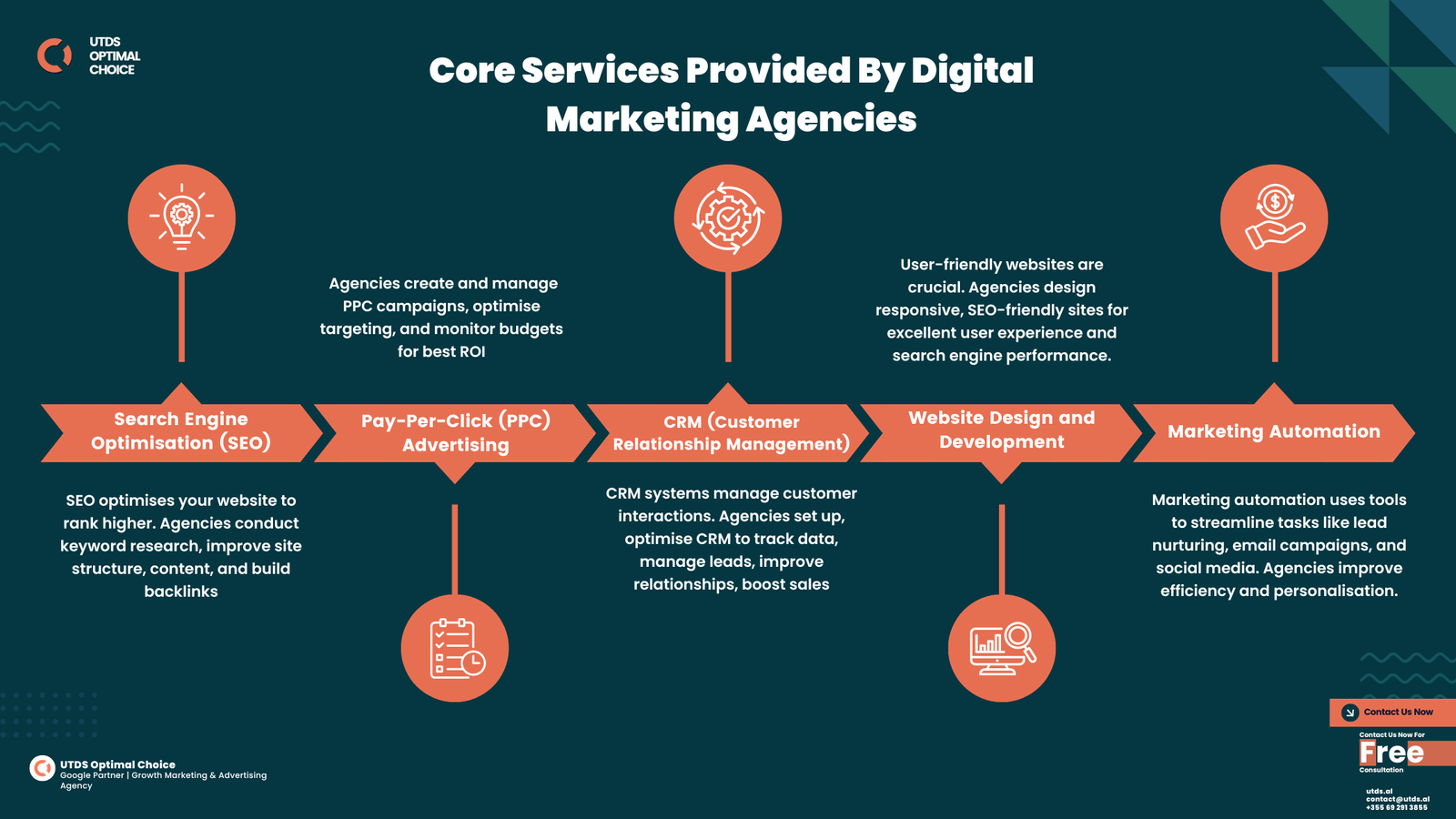
Search Engine Optimisation (SEO): Optimising a hotel or restaurant’s website for search engines helps improve visibility in search results. This increases organic traffic to the website and boosts bookings or reservations.
Email Marketing: Email campaigns remain an effective way to nurture relationships with past guests, promote special offers or packages, and drive repeat business. Personalised emails can create a sense of exclusivity and loyalty among customers.
The Future of Hospitality Digital Marketing
As technology continues to evolve, so do digital marketing strategies in the hospitality industry. Trends such as virtual reality tours, chatbots for customer service, influencer partnerships, and data-driven decision-making are shaping the future of hospitality digital marketing.
By embracing these trends and staying ahead of the curve, hospitality businesses can create memorable experiences for guests while driving revenue growth through effective digital marketing strategies.
9 Essential Tips for Enhancing Your Hospitality Business Through Digital Marketing
- Create a visually appealing website with easy navigation.
- Utilize social media platforms to engage with your audience.
- Implement an effective email marketing strategy to stay in touch with customers.
- Optimize your website for mobile devices for better user experience.
- Use high-quality photos and videos to showcase your hospitality services.
- Encourage online reviews and testimonials from satisfied guests.
- Offer online booking options for convenience and ease of access.
- Collaborate with influencers or bloggers to reach a wider audience.
- Monitor and analyse your digital marketing efforts to make data-driven decisions.
Create a visually appealing website with easy navigation.
Creating a visually appealing website with easy navigation is a crucial tip in hospitality digital marketing. A well-designed website not only captures the attention of potential guests but also enhances their overall user experience. By incorporating visually engaging elements such as high-quality images, intuitive layouts, and clear navigation menus, hospitality businesses can effectively showcase their offerings and encourage visitors to explore further. Easy navigation ensures that users can quickly find the information they are looking for, leading to increased engagement and potentially higher conversion rates. A visually appealing website with easy navigation serves as a powerful tool in attracting and retaining customers in the competitive hospitality industry.
Utilize social media platforms to engage with your audience.
In the realm of hospitality digital marketing, a crucial tip is to leverage social media platforms effectively to connect and interact with your target audience. Social media offers a dynamic space for hotels, restaurants, and other hospitality businesses to engage with customers, share updates on services or promotions, and showcase their unique offerings. By utilising platforms such as Facebook, Instagram, and Twitter, businesses can foster relationships with their audience, gather feedback, and create a sense of community that enhances brand loyalty and drives bookings. Embracing social media as a tool for engagement not only expands reach but also allows businesses to establish a strong online presence that resonates with their clientele.
Implement an effective email marketing strategy to stay in touch with customers.
To enhance customer engagement and foster lasting relationships, it is crucial for hospitality businesses to implement an effective email marketing strategy. By regularly communicating with customers through personalised emails, businesses can provide updates on promotions, special offers, and upcoming events. This proactive approach not only keeps customers informed but also helps in building brand loyalty and driving repeat bookings. Through targeted email campaigns, hospitality businesses can stay top-of-mind with their audience, ultimately leading to increased customer retention and satisfaction.
Optimize your website for mobile devices for better user experience.
To enhance user experience and drive more bookings, it is crucial for hospitality businesses to optimise their website for mobile devices. With the increasing use of smartphones and tablets, ensuring that your website is mobile-responsive can significantly improve accessibility and engagement for potential guests browsing on-the-go. A mobile-friendly website not only provides a seamless experience for users but also boosts search engine rankings, ultimately leading to increased visibility and conversions in the competitive hospitality industry.
Use high-quality photos and videos to showcase your hospitality services.
Utilising high-quality photos and videos to showcase your hospitality services is a crucial tip in digital marketing for the industry. Visual content plays a significant role in capturing the attention of potential guests and conveying the unique experience your establishment offers. By showcasing stunning images of your rooms, amenities, dining options, and leisure facilities, you can create a compelling narrative that resonates with your target audience and entices them to book a stay. Professional photography and videography not only enhance the visual appeal of your marketing materials but also build trust and credibility with customers, ultimately leading to increased bookings and guest satisfaction.
Encourage online reviews and testimonials from satisfied guests.
Encouraging online reviews and testimonials from satisfied guests is a powerful strategy in hospitality digital marketing. Positive reviews and testimonials act as social proof, building trust and credibility among potential customers. By showcasing authentic feedback from happy guests on platforms such as TripAdvisor, Google Reviews, or social media channels, hotels and restaurants can influence the decision-making process of prospective guests. This user-generated content not only enhances the reputation of the business but also boosts visibility and helps attract new customers looking for genuine recommendations from past visitors.
Offer online booking options for convenience and ease of access.
By offering online booking options for convenience and ease of access, hospitality businesses can streamline the reservation process for their guests. Providing an online platform for bookings allows customers to make reservations at any time, from anywhere, enhancing their overall experience. This digital marketing strategy not only caters to the preferences of modern travellers who value convenience but also helps businesses capture potential bookings efficiently and effectively. Embracing online booking options demonstrates a commitment to customer satisfaction and can significantly impact a hospitality business’s success in today’s competitive market.
Collaborate with influencers or bloggers to reach a wider audience.
Collaborating with influencers or bloggers is a valuable tip in hospitality digital marketing as it offers a unique opportunity to reach a wider audience and increase brand awareness. By partnering with influencers who have a strong following and credibility in the industry, hotels and restaurants can tap into their loyal fan base and leverage their influence to promote their offerings. Bloggers, on the other hand, provide authentic and engaging content that resonates with their readers, helping to create buzz around a hospitality business. This collaboration not only expands the reach of the business but also builds trust and credibility among potential customers, ultimately driving bookings and enhancing the overall marketing strategy.
Monitor and analyse your digital marketing efforts to make data-driven decisions.
Monitoring and analysing your digital marketing efforts is crucial in the hospitality industry to make informed, data-driven decisions. By tracking key performance indicators such as website traffic, conversion rates, social media engagement, and email campaign metrics, businesses can gain valuable insights into what strategies are working and where improvements are needed. This data-driven approach allows hospitality businesses to optimise their marketing efforts, target the right audience effectively, and ultimately enhance the overall guest experience.