Digital Marketing: A Game-Changer in the Business World
In today’s fast-paced and ever-evolving digital landscape, digital marketing has emerged as a powerful tool for businesses to connect with their target audience, drive sales, and build brand awareness. With the increasing reliance on technology and the internet, digital marketing has become essential for businesses of all sizes to stay competitive and relevant in the market.
What is Digital Marketing?
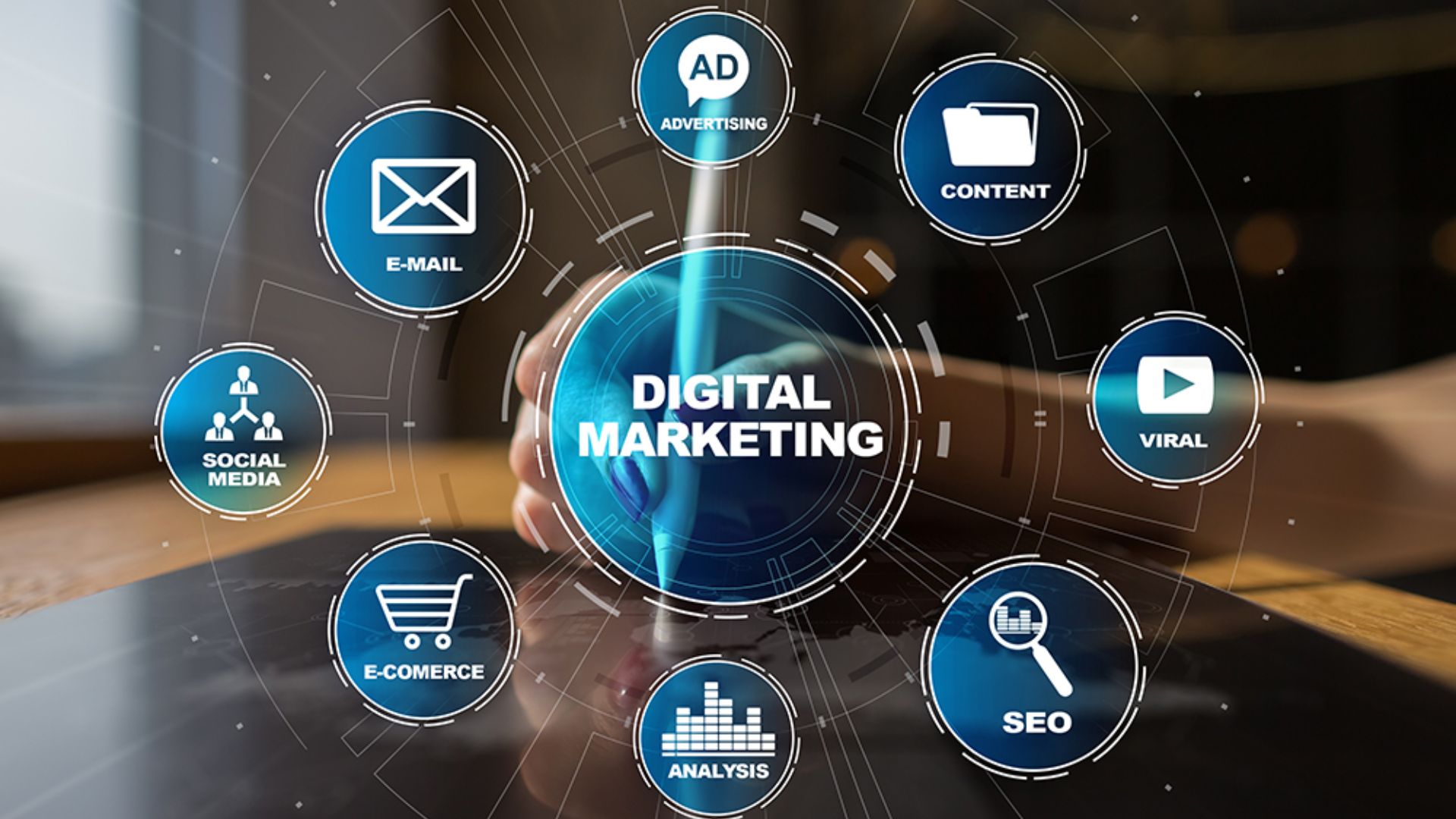
Digital marketing encompasses a wide range of online strategies and tactics aimed at promoting products or services through digital channels such as websites, social media, email, search engines, and mobile apps. Unlike traditional marketing methods, digital marketing allows businesses to reach a global audience in a cost-effective and measurable way.
The Benefits of Digital Marketing
One of the key advantages of digital marketing is its ability to target specific demographics and audiences with precision. Through data analytics and targeting tools, businesses can tailor their marketing campaigns to reach the right people at the right time, leading to higher conversion rates and ROI.
Furthermore, digital marketing offers real-time insights and analytics that enable businesses to track the performance of their campaigns instantly. This data-driven approach allows businesses to make informed decisions and adjust their strategies on-the-go for optimal results.
The Future of Digital Marketing
As technology continues to advance at a rapid pace, the future of digital marketing looks promising. Innovations such as artificial intelligence, augmented reality, voice search, and machine learning are reshaping the digital landscape and presenting new opportunities for businesses to engage with consumers in more meaningful ways.
Businesses that embrace these emerging technologies and trends in digital marketing are likely to gain a competitive edge in the market and stay ahead of the curve. By staying agile, adaptable, and customer-centric, businesses can harness the power of digital marketing to drive growth, foster brand loyalty, and achieve long-term success.
In Conclusion
Digital marketing is not just a trend; it’s a fundamental aspect of modern business operations. By leveraging the various tools and strategies available in digital marketing, businesses can connect with their audience on a deeper level, build lasting relationships, and ultimately drive business growth in today’s digitally-driven world.
Essential FAQs: Understanding Digital Marketing and Its Impact on Modern Business
- What is digital marketing and why is it important?
- How does digital marketing differ from traditional marketing?
- What are the key components of a successful digital marketing strategy?
- How can businesses measure the effectiveness of their digital marketing campaigns?
- What are the latest trends in digital marketing that businesses should be aware of?
- How do search engine optimisation (SEO) and pay-per-click (PPC) advertising work in digital marketing?
- What skills are essential for a career in digital marketing?
What is digital marketing and why is it important?
Digital marketing refers to the use of online channels and strategies to promote products or services, connect with target audiences, and drive business growth. In today’s digital age, digital marketing is crucial for businesses to establish a strong online presence, reach a wider audience, and stay competitive in the market. By leveraging various digital platforms such as websites, social media, email marketing, and search engines, businesses can engage with their customers in real-time, track campaign performance accurately, and tailor their marketing efforts to meet specific goals effectively. Ultimately, digital marketing plays a vital role in enhancing brand visibility, increasing customer engagement, and generating leads that can lead to long-term success for businesses in the digital realm.
How does digital marketing differ from traditional marketing?
In the realm of marketing, the distinction between digital marketing and traditional marketing lies in the channels and methods used to reach and engage with target audiences. Digital marketing leverages online platforms such as websites, social media, email, search engines, and mobile apps to connect with consumers in a more targeted, measurable, and interactive way. On the other hand, traditional marketing encompasses offline tactics like print ads, TV commercials, radio spots, and direct mail. While traditional marketing is often more costly and harder to track in terms of effectiveness, digital marketing offers greater flexibility, real-time analytics, precise targeting capabilities, and the ability to adapt strategies quickly based on data insights. Ultimately, the key differentiator between digital and traditional marketing is the shift towards a more data-driven, customer-centric approach that defines the modern digital landscape.
What are the key components of a successful digital marketing strategy?
When considering the key components of a successful digital marketing strategy, several crucial elements come into play. Firstly, defining clear and achievable goals is essential to guide your digital marketing efforts effectively. Understanding your target audience and crafting tailored messages that resonate with them is another vital component. Utilising various digital channels such as social media, email marketing, SEO, and content creation to reach and engage with your audience is crucial for success. Regularly analysing data and performance metrics to measure the effectiveness of your campaigns and make informed adjustments is also key to a successful digital marketing strategy. Lastly, staying updated on industry trends and innovations to adapt and evolve your strategy accordingly is essential for long-term success in the ever-changing digital landscape.
How can businesses measure the effectiveness of their digital marketing campaigns?
In the realm of digital marketing, a common query revolves around how businesses can gauge the success of their digital marketing endeavours. To measure the effectiveness of their digital marketing campaigns, businesses can employ various key performance indicators (KPIs) such as website traffic, conversion rates, click-through rates, engagement metrics, and return on investment (ROI). By analysing these metrics through web analytics tools and tracking software, businesses can gain valuable insights into the performance of their campaigns and make data-driven decisions to optimise their strategies for better results. Regular monitoring and evaluation of these KPIs enable businesses to assess the impact of their digital marketing efforts and refine their tactics to achieve their marketing objectives efficiently.
What are the latest trends in digital marketing that businesses should be aware of?
In the dynamic realm of digital marketing, businesses are often curious about the latest trends that can propel their strategies to new heights. Understanding and adapting to these trends is crucial for staying competitive in the ever-evolving digital landscape. From artificial intelligence and voice search to influencer marketing and interactive content, businesses should be aware of emerging trends that can revolutionise their marketing efforts and enhance customer engagement. By keeping a pulse on these trends, businesses can stay ahead of the curve and leverage innovative strategies to drive success in their digital marketing campaigns.
How do search engine optimisation (SEO) and pay-per-click (PPC) advertising work in digital marketing?
Search engine optimisation (SEO) and pay-per-click (PPC) advertising are two key components of digital marketing that work together to enhance online visibility and drive traffic to websites. SEO involves optimising website content, meta tags, and back-end coding to improve organic search engine rankings. On the other hand, PPC advertising allows businesses to bid on keywords and display ads at the top of search engine results pages for instant visibility. While SEO focuses on long-term sustainable results, PPC offers immediate visibility but requires a budget for each click. By strategically combining SEO and PPC strategies, businesses can maximise their online presence, attract targeted traffic, and achieve their digital marketing goals effectively.
What skills are essential for a career in digital marketing?
In the dynamic field of digital marketing, several key skills are essential for a successful career. Firstly, a strong grasp of data analysis and interpretation is crucial to understand consumer behaviour and campaign performance metrics. Additionally, proficiency in search engine optimisation (SEO) and pay-per-click (PPC) advertising is vital for driving online traffic and conversions. Creativity in content creation and storytelling is also highly valued to engage audiences across various digital platforms. Moreover, excellent communication skills, adaptability to technological advancements, and a strategic mindset are all important attributes for navigating the ever-evolving landscape of digital marketing effectively.