The Power of SEM and PPC in Digital Marketing
Search Engine Marketing (SEM) and Pay-Per-Click (PPC) advertising are two powerful tools in the world of digital marketing. Both strategies are essential for businesses looking to increase their online visibility, drive targeted traffic to their websites, and ultimately boost conversions.
What is SEM?
SEM involves promoting a website by increasing its visibility in search engine results pages (SERPs) through paid advertising and search engine optimisation (SEO) techniques. With SEM, businesses can bid on keywords relevant to their products or services to appear at the top of search results when users enter those keywords.
Benefits of SEM:
- Immediate results: SEM allows businesses to quickly drive traffic to their websites and generate leads.
- Targeted advertising: Businesses can target specific audiences based on demographics, interests, and search behaviour.
- Measurable ROI: SEM provides detailed analytics that allow businesses to track the performance of their campaigns and adjust strategies accordingly.
What is PPC?
PPC is a form of online advertising where advertisers pay a fee each time their ad is clicked. It is a cost-effective way to drive targeted traffic to a website, as advertisers only pay when a user engages with their ad. Google Ads is one of the most popular platforms for PPC advertising.
Benefits of PPC:
- Highly targeted: Advertisers can target specific keywords, locations, devices, and demographics with PPC campaigns.
- Quick results: PPC campaigns can be set up quickly and start driving traffic almost immediately.
- Flexible budgeting: Advertisers have control over how much they spend on each campaign and can adjust budgets as needed.
In conclusion, SEM and PPC are powerful tools that can help businesses reach their target audience, increase brand awareness, and drive conversions. By incorporating these strategies into their digital marketing efforts, businesses can stay ahead of the competition in today’s highly competitive online landscape.
Understanding SEM and PPC: Key Insights and Best Practices for Effective Digital Marketing
- What is the difference between SEM and PPC?
- How does SEM help businesses increase online visibility?
- What are the benefits of using PPC advertising?
- Can SEM and PPC be used together in a digital marketing strategy?
- How do I choose the right keywords for my SEM campaign?
- What metrics should I track to measure the success of my PPC campaigns?
- Are there any common mistakes to avoid when running SEM campaigns?
- Is it necessary to hire a professional agency for managing SEM and PPC campaigns?
What is the difference between SEM and PPC?
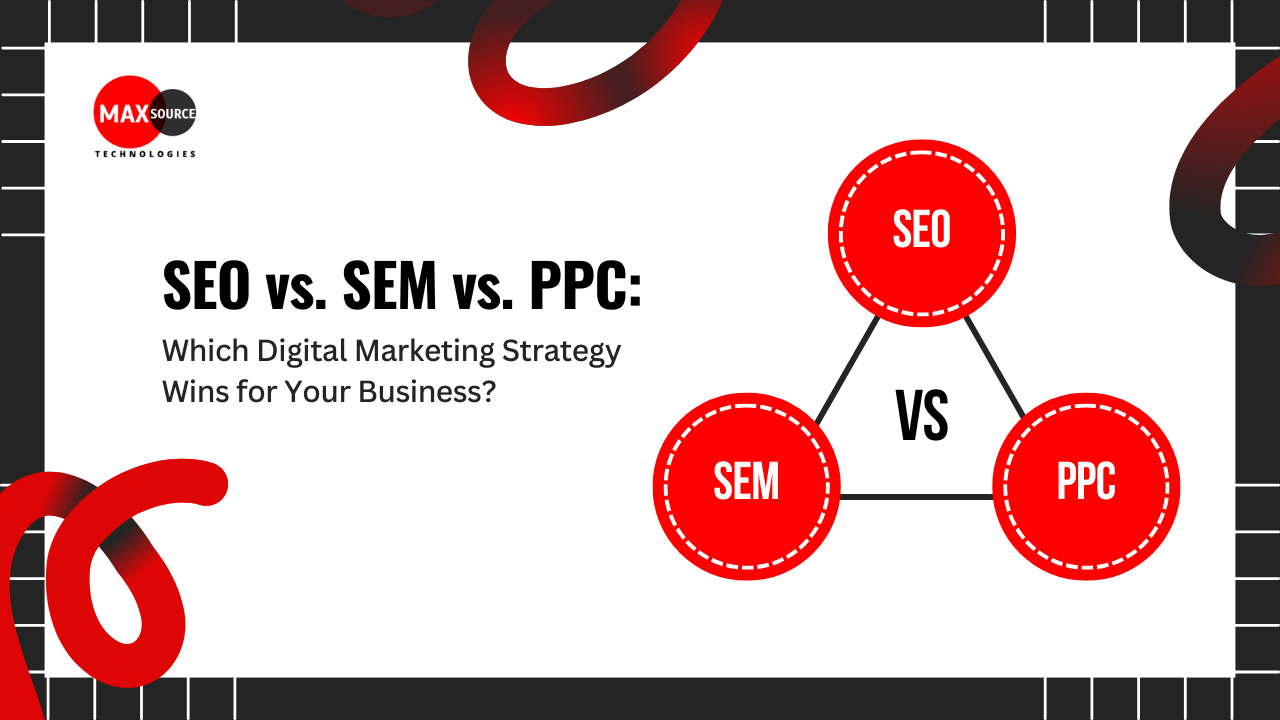
One frequently asked question in the realm of digital marketing is: “What is the difference between SEM and PPC?” Search Engine Marketing (SEM) encompasses a broader range of strategies aimed at improving a website’s visibility in search engine results pages (SERPs), including both paid advertising and search engine optimisation (SEO) techniques. On the other hand, Pay-Per-Click (PPC) is a specific form of online advertising where advertisers pay a fee each time their ad is clicked. While SEM includes PPC as one of its components, it also incorporates other tactics such as SEO. Understanding this distinction is crucial for businesses looking to leverage these strategies effectively to enhance their online presence and drive targeted traffic to their websites.
How does SEM help businesses increase online visibility?
Search Engine Marketing (SEM) helps businesses increase online visibility by leveraging paid advertising and search engine optimisation (SEO) techniques. Through SEM, businesses can bid on relevant keywords to ensure their website appears at the top of search engine results pages (SERPs) when users search for those keywords. This prime placement increases the likelihood of users clicking on the website, driving targeted traffic and boosting visibility. Additionally, SEM allows businesses to target specific audiences based on demographics, interests, and search behaviour, further enhancing online visibility and increasing the chances of reaching potential customers effectively.
What are the benefits of using PPC advertising?
When it comes to digital marketing strategies, Pay-Per-Click (PPC) advertising offers a multitude of benefits for businesses looking to enhance their online presence. One of the key advantages of using PPC advertising is its highly targeted nature, allowing advertisers to reach specific audiences based on keywords, demographics, and user behaviour. Additionally, PPC campaigns can deliver quick results, driving traffic to websites almost immediately after launch. Another significant benefit is the flexibility in budgeting, as advertisers have control over how much they spend on each campaign and can adjust budgets as needed to maximise ROI. Overall, PPC advertising is a cost-effective and efficient way for businesses to increase brand visibility, generate leads, and drive conversions in the competitive digital landscape.
Can SEM and PPC be used together in a digital marketing strategy?
When it comes to digital marketing strategy, the question of whether SEM and PPC can be used together is a common one. The answer is yes – SEM (Search Engine Marketing) and PPC (Pay-Per-Click) can work hand in hand to create a powerful and comprehensive marketing approach. SEM encompasses both organic search engine optimisation (SEO) and paid advertising, with PPC being a key component of the paid advertising aspect. By combining SEM and PPC, businesses can leverage the strengths of each strategy to increase online visibility, drive targeted traffic to their websites, and achieve measurable results. The synergy between SEM and PPC allows businesses to reach a wider audience, target specific demographics, and optimise their campaigns for maximum effectiveness in today’s competitive digital landscape.
How do I choose the right keywords for my SEM campaign?
Choosing the right keywords for your SEM campaign is crucial for its success. Start by conducting thorough keyword research to identify relevant terms that your target audience is likely to use when searching online. Consider the search volume, competition level, and relevance of each keyword to ensure they align with your campaign goals. Utilise keyword tools and analytics data to refine your selection and focus on long-tail keywords that are more specific and likely to attract qualified leads. Regularly monitor and adjust your keyword strategy based on performance data to maximise the effectiveness of your SEM campaign.
What metrics should I track to measure the success of my PPC campaigns?
When evaluating the success of your PPC campaigns, it is crucial to track key metrics that provide insights into the performance and effectiveness of your advertising efforts. Some essential metrics to monitor include click-through rate (CTR), conversion rate, cost per click (CPC), return on ad spend (ROAS), and quality score. CTR indicates how engaging your ads are to users, while conversion rate measures the percentage of visitors who take a desired action on your website. CPC helps you understand how much you are paying for each click, while ROAS calculates the revenue generated for every pound spent on advertising. Lastly, quality score reflects the relevance and quality of your ads, keywords, and landing pages. By tracking these metrics closely, you can make informed decisions to optimise your PPC campaigns for better results and ROI.
Are there any common mistakes to avoid when running SEM campaigns?
When running SEM campaigns, there are several common mistakes that businesses should avoid to ensure the success of their digital marketing efforts. One common mistake is failing to conduct thorough keyword research, which can result in targeting the wrong audience or missing out on valuable traffic. Another mistake is neglecting to continuously monitor and optimise campaigns for performance, leading to wasted ad spend and missed opportunities for improvement. Additionally, not setting clear goals and key performance indicators (KPIs) can hinder the effectiveness of SEM campaigns, as it becomes challenging to measure success and make data-driven decisions. By avoiding these common pitfalls and implementing best practices, businesses can maximise the impact of their SEM campaigns and achieve their marketing objectives efficiently.
Is it necessary to hire a professional agency for managing SEM and PPC campaigns?
When it comes to managing SEM and PPC campaigns, the question of whether it is necessary to hire a professional agency often arises. While some businesses may attempt to handle these campaigns in-house, enlisting the expertise of a professional agency can offer numerous benefits. A reputable agency brings a wealth of experience, industry knowledge, and technical skills to the table, ensuring that your SEM and PPC campaigns are executed effectively and efficiently. By entrusting your campaigns to professionals, you can expect tailored strategies, continuous monitoring and optimisation, as well as access to advanced tools and analytics that can maximise your ROI and drive better results in the competitive digital marketing landscape.