The Power of Digital Marketing and Online Marketing
In today’s digital age, businesses are increasingly turning to digital marketing and online marketing strategies to reach their target audience and drive growth. Digital marketing encompasses all marketing efforts that use an electronic device or the internet, while online marketing specifically focuses on promoting products or services through online channels.
Benefits of Digital Marketing:
Reach a Wider Audience: With digital marketing, businesses can reach a global audience without the limitations of geographical boundaries. This allows for greater exposure and potential customer acquisition.
Cost-Effective: Compared to traditional marketing methods, digital marketing is often more cost-effective. Businesses can reach a larger audience at a fraction of the cost through channels such as social media, email, and search engine optimization.
Targeted Advertising: Digital marketing allows for highly targeted advertising based on demographics, interests, behaviour, and more. This ensures that businesses can tailor their messaging to specific audience segments for better engagement and conversion rates.
Online Marketing Strategies:
Search Engine Optimization (SEO): SEO is crucial for improving a website’s visibility in search engine results pages. By optimising website content and structure, businesses can attract organic traffic and improve their online presence.
Social Media Marketing: Social media platforms provide an excellent opportunity for businesses to engage with their audience, build brand awareness, and drive traffic to their websites. Effective social media marketing involves creating compelling content and engaging with followers.
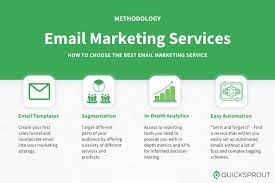
Email Marketing: Email marketing remains a powerful tool for nurturing leads and converting customers. By sending targeted emails with relevant content, businesses can build relationships with their audience and drive sales.
The Future of Digital Marketing:
The landscape of digital marketing is constantly evolving with advancements in technology and changing consumer behaviours. Businesses that embrace innovative strategies such as artificial intelligence, chatbots, video marketing, and influencer collaborations are likely to stay ahead in the competitive online space.
In conclusion, digital marketing and online marketing play a vital role in helping businesses connect with their target audience, increase brand visibility, and drive revenue growth in today’s digital-first world.
Understanding the Differences and Overlaps: FAQs on Digital and Online Marketing
- Is digital marketing only online?
- What are the 4 types of digital marketing?
- What is the difference between online and digital business?
- Is digital marketing the same as online marketing?
- What is online marketing examples?
- What is a digital online marketer?
- What is an example of online marketing?
- What is the difference between digital marketing and e marketing?
- What are examples of digital marketing?
- What are the examples of online marketing?
- Why digital marketing is not same as online marketing?
- What is the difference between digital and online?
- What are digital and online marketing methods?
- Is online marketing same as digital marketing?
- What’s the difference between digital and online?
- What is the meaning of online marketing?
- What is difference between digital and online?
- Is digital marketing the same as e-marketing?
Is digital marketing only online?
The frequently asked question regarding digital marketing and online marketing is whether digital marketing is exclusively conducted online. While digital marketing primarily utilises electronic devices and online channels for promotion, it also encompasses offline strategies that leverage digital technologies. These may include mobile marketing through SMS, MMS, or mobile apps, as well as digital signage and display advertising in physical locations. Therefore, while the core of digital marketing is online, it can extend beyond the virtual realm to create integrated marketing campaigns that blend online and offline elements for a comprehensive approach to reaching target audiences effectively.
What are the 4 types of digital marketing?
In the realm of digital marketing, there are four main types that businesses commonly leverage to reach their target audience and achieve marketing objectives. These include search engine optimization (SEO), which focuses on improving website visibility in search engine results; social media marketing, which involves promoting products or services on various social media platforms to engage with customers; pay-per-click (PPC) advertising, where businesses pay a fee each time their ad is clicked; and email marketing, a direct communication channel used to send targeted messages to subscribers. Each type of digital marketing offers unique benefits and plays a crucial role in helping businesses effectively connect with their audience online.
What is the difference between online and digital business?
The key distinction between online and digital business lies in their scope and focus. Online business refers specifically to the buying and selling of goods or services over the internet, encompassing e-commerce platforms and online retail operations. On the other hand, digital business is a broader term that includes all aspects of a business’s digital presence, such as marketing strategies, customer engagement, data analytics, and technology integration. While online business primarily deals with transactions conducted online, digital business encompasses a wider range of activities aimed at leveraging digital technologies to enhance overall business performance and competitiveness in the digital landscape.
Is digital marketing the same as online marketing?
The frequently asked question regarding digital marketing and online marketing is whether they are the same. While the terms are often used interchangeably, there is a subtle distinction between the two. Digital marketing encompasses a broader scope of marketing efforts that utilise electronic devices and online channels to promote products or services. On the other hand, online marketing specifically focuses on promoting goods or services through internet-based platforms. In essence, digital marketing includes online marketing as a subset within its wider range of strategies, such as social media marketing, email marketing, search engine optimisation, and more.
What is online marketing examples?
Online marketing examples encompass a wide range of strategies and tactics used by businesses to promote their products or services on digital platforms. Some common examples of online marketing include search engine optimization (SEO) to improve website visibility in search results, social media marketing to engage with audiences on platforms like Facebook and Instagram, email marketing to nurture leads and drive conversions through targeted campaigns, pay-per-click (PPC) advertising for immediate visibility on search engines, and content marketing to provide valuable information to attract and retain customers. These examples demonstrate the diverse approaches that businesses can take to leverage the power of online marketing in reaching their target audience effectively.
What is a digital online marketer?
A digital online marketer is a professional who specialises in leveraging digital channels and online platforms to promote products or services, engage with target audiences, and drive business growth. They are skilled in utilising various digital marketing strategies such as search engine optimisation (SEO), social media marketing, email marketing, content creation, and online advertising to reach and connect with potential customers effectively. A digital online marketer understands the importance of data analysis and performance tracking to optimise campaigns for maximum impact and return on investment in the ever-evolving landscape of digital marketing.
What is an example of online marketing?
An example of online marketing is social media advertising. Businesses can create targeted ads on platforms like Facebook, Instagram, or Twitter to reach specific demographics based on interests, behaviours, and other criteria. These ads can appear in users’ feeds, stories, or search results, allowing businesses to promote their products or services directly to a relevant audience. Social media advertising is a powerful online marketing strategy that enables businesses to engage with potential customers and drive traffic to their websites effectively.
What is the difference between digital marketing and e marketing?
Digital marketing and e-marketing are often used interchangeably, but there is a subtle distinction between the two terms. Digital marketing encompasses all marketing efforts that utilise electronic devices or the internet to promote products or services, including channels such as social media, email, search engine optimisation, and online advertising. On the other hand, e-marketing specifically refers to marketing activities conducted solely through electronic means, which may include email marketing, online advertising, and website promotions. While digital marketing is a broader term that encompasses various online and offline channels, e-marketing focuses specifically on electronic methods of promotion within the digital realm.
What are examples of digital marketing?
Digital marketing encompasses a wide range of strategies and tactics aimed at promoting products or services through digital channels. Some common examples of digital marketing include search engine optimization (SEO), social media marketing, email marketing, pay-per-click advertising (PPC), content marketing, influencer marketing, affiliate marketing, and online PR. Each of these techniques leverages the power of the internet and electronic devices to reach and engage with target audiences effectively. By utilising a combination of these digital marketing methods, businesses can enhance their online presence, attract new customers, and drive conversions in today’s competitive digital landscape.
What are the examples of online marketing?
Online marketing encompasses a wide range of strategies and tactics aimed at promoting products or services through digital channels. Some common examples of online marketing include search engine optimization (SEO), social media marketing, email marketing, content marketing, pay-per-click (PPC) advertising, affiliate marketing, influencer marketing, and online PR. These strategies leverage the power of the internet to reach and engage with target audiences effectively, driving brand awareness, lead generation, and conversions for businesses in the digital realm.
Why digital marketing is not same as online marketing?
Digital marketing and online marketing are often used interchangeably, but they are not exactly the same. While online marketing focuses specifically on promoting products or services through online channels such as websites, social media, and email, digital marketing encompasses a broader scope that includes both online and offline marketing efforts using electronic devices. Digital marketing extends beyond just the internet to include channels like mobile apps, SMS marketing, and digital billboards. Therefore, digital marketing is a more comprehensive term that encompasses all forms of marketing that leverage digital technologies for reaching and engaging with target audiences effectively.
What is the difference between digital and online?
When it comes to digital marketing and online marketing, a common question that arises is: What is the difference between digital and online? While the terms are often used interchangeably, there is a subtle distinction between the two. Digital marketing encompasses all marketing efforts that utilise electronic devices or the internet, including online marketing. Online marketing, on the other hand, specifically focuses on promoting products or services through online channels such as websites, social media platforms, email, and search engines. Essentially, digital marketing is a broader term that includes online marketing as one of its components. Understanding this difference can help businesses effectively leverage both digital and online strategies to reach their target audience and achieve their marketing goals.
What are digital and online marketing methods?
Digital marketing and online marketing encompass a wide range of methods and strategies aimed at promoting products or services through electronic devices and internet platforms. Some common digital and online marketing methods include search engine optimization (SEO) to improve website visibility in search results, social media marketing to engage with audiences on platforms like Facebook and Instagram, email marketing to nurture leads and drive conversions through targeted email campaigns, pay-per-click (PPC) advertising for instant visibility on search engines, content marketing to provide valuable information and attract organic traffic, and influencer marketing to leverage the reach and influence of popular personalities to promote products or services. These methods work together to create a comprehensive digital marketing strategy that helps businesses reach their target audience effectively in the digital landscape.
Is online marketing same as digital marketing?
The question of whether online marketing is the same as digital marketing is a common one in the realm of digital advertising. While the two terms are often used interchangeably, there is a subtle distinction between them. Online marketing specifically refers to promoting products or services through internet-based channels such as websites, social media, email, and search engines. On the other hand, digital marketing encompasses a broader scope, including all marketing efforts that utilise electronic devices or the internet, which may also involve offline channels like mobile phones and display advertising. In essence, online marketing is a subset of digital marketing, highlighting the importance of understanding the nuances between these closely related concepts in today’s interconnected digital landscape.
What’s the difference between digital and online?
The distinction between digital marketing and online marketing lies in their scope and focus. Digital marketing encompasses all forms of marketing efforts that utilise electronic devices or the internet, including online marketing. Online marketing specifically refers to promoting products or services through online channels such as websites, social media, email, and search engines. While digital marketing is a broader term that includes offline channels like TV, radio, and SMS, online marketing is more narrowly focused on activities conducted exclusively on the internet. Understanding this difference is crucial for businesses to effectively strategise and implement their marketing campaigns to reach their target audience in the most relevant and impactful way.
What is the meaning of online marketing?
Online marketing, also known as internet marketing or digital marketing, refers to the use of various online channels and platforms to promote products or services to a target audience. It encompasses a wide range of strategies such as search engine optimization (SEO), social media marketing, email marketing, content marketing, and more. The primary goal of online marketing is to attract potential customers, engage with them effectively, and ultimately drive conversions and sales through online interactions. By leveraging the power of the internet and digital technologies, businesses can reach a global audience, increase brand visibility, and achieve measurable results in today’s highly competitive online landscape.
What is difference between digital and online?
The distinction between digital marketing and online marketing lies in their scope and focus. While digital marketing encompasses all marketing efforts that utilise electronic devices or the internet, online marketing specifically refers to promoting products or services through online channels. In essence, digital marketing is a broader term that includes online marketing as one of its components. Digital marketing extends beyond the internet to include mobile apps, podcasts, and other digital platforms, whereas online marketing is primarily concerned with leveraging online channels such as websites, social media, and emails to engage with audiences and drive business growth.
Is digital marketing the same as e-marketing?
In the realm of digital marketing, a common query often arises: Is digital marketing synonymous with e-marketing? While the terms are closely related, they are not entirely interchangeable. Digital marketing encompasses a broader spectrum of marketing efforts that leverage digital channels such as websites, social media, email, and search engines to promote products or services. On the other hand, e-marketing, or electronic marketing, specifically focuses on promoting goods or services through electronic means. Therefore, while e-marketing is a subset of digital marketing, the latter encompasses a wider array of online strategies and tactics to engage with target audiences effectively in today’s interconnected world.