Advertising in Digital Marketing: A Practical Guide
Advertising is a central part of digital marketing. It helps businesses reach potential customers online, introduce products and services, and encourage people to take action. From search engine adverts to sponsored social media posts, digital advertising offers a range of ways to connect with audiences where they spend time.
Unlike many traditional forms of advertising, digital campaigns can be targeted, measured and adjusted while they are running. This makes them useful for businesses of different sizes, provided that campaigns are planned around clear goals and the needs of the audience.
What is digital advertising?
Digital advertising is the promotion of a business, product or service through online channels. Advertisers usually pay to place messages on platforms such as search engines, websites, social networks and video services. Depending on the channel, payment may be based on views, clicks, leads or completed actions.
Digital advertising is one element of digital marketing, which also includes activities such as search engine optimisation, email marketing, content creation and organic social media. Paid advertising can complement these activities by helping a message reach an audience more quickly or more widely.
Common types of digital advertising
Search advertising
Search adverts appear on search engine results pages, often in response to particular keywords. They can help a business reach people who are actively looking for a product, service or answer. Effective campaigns depend on choosing relevant keywords and ensuring that the landing page fulfils the promise of the advert.
Social media advertising
Social platforms offer a variety of advertising formats, including image adverts, video, stories and sponsored posts. Campaigns can be tailored to factors such as location, interests and broad demographic information. The best approach is to choose platforms that suit the audience and the campaign objective, rather than trying to advertise everywhere.
Display advertising
Display adverts use formats such as banners and visual placements on websites and apps. They can help build awareness or remind people about a business after they have visited its website. Strong design and a concise message are important, as people may see these adverts while focused on other content.
Video advertising
Video adverts can appear before, during or alongside online video content. They are useful for demonstrating a product, telling a story or introducing a brand. A clear opening and a message that works without relying entirely on sound can help a video advert hold attention.
Email and sponsored content
Businesses may also pay to feature messages in newsletters or sponsor content created by publishers and creators. These placements can reach audiences in a more editorial or conversational setting. It is important that paid partnerships are clearly identified and that the content is relevant to the audience.
How to plan an effective campaign
A successful campaign starts with a clear objective. A business might want to increase brand awareness, attract visitors to a website, generate enquiries or encourage sales. The objective should guide the choice of channel, advert format and measures of success.
- Understand the audience: Consider what potential customers need, what questions they ask and which online channels they use.
- Set a realistic budget: Decide how much to spend and how the budget will be allocated. Begin with a manageable amount and use campaign results to inform future decisions.
- Create a relevant message: Explain the value of the offer clearly. Use language that reflects the audience’s needs and include a suitable call to action.
- Choose the right destination: Send people to a page that matches the advert. A confusing or slow landing page can undermine an otherwise strong campaign.
- Test and improve: Compare different headlines, images, audiences or landing pages. Change one or two elements at a time so that the results are easier to interpret.
Measuring results
Digital campaigns generate data, but not every metric is equally useful. Impressions show how often an advert was displayed, while clicks indicate how many people interacted with it. Click-through rate compares clicks with impressions. Conversion rate measures the proportion of visitors who complete a desired action, such as making a purchase or submitting an enquiry.
Businesses should select measures that relate to their goals. For example, a brand awareness campaign may focus on reach and engagement, while a sales campaign may place more emphasis on conversions and the cost of acquiring a customer. Looking at results over time can reveal patterns, but figures should be interpreted in context rather than treated as a complete picture on their own.
Privacy, trust and responsible advertising
Good digital advertising respects people’s privacy and provides an honest account of what is being offered. Businesses should handle personal data responsibly, follow applicable UK rules and platform policies, and make paid promotions clear. Targeting should be appropriate, and claims in adverts should be accurate and supportable.
Trust also depends on the experience after someone clicks. The destination should be secure, accessible and consistent with the advert. Clear pricing, straightforward terms and useful information help customers make informed decisions.
Conclusion
Digital advertising gives businesses flexible ways to reach people online, from search and social media to display, video and sponsored content. Its effectiveness depends less on being present on every platform and more on having a clear objective, understanding the audience and delivering a relevant experience. By measuring meaningful results and refining campaigns responsibly, businesses can make better use of their advertising budgets and build stronger connections with customers.
Understanding Digital Advertising: Answers to 8 Common Questions
- What is digital advertising, and how does it fit into digital marketing?
- What are the main types of digital advertising?
- How much does digital advertising cost?
- Which digital advertising platforms are best for my business?
- How do I target the right audience with digital adverts?
- How can I measure the success of a digital advertising campaign?
- What is the difference between paid search advertising and SEO?
- How can I improve the performance of my digital advertising campaigns?
What is digital advertising, and how does it fit into digital marketing?
Digital advertising is the paid promotion of a business, product or service through online channels such as search engines, social media, websites and video platforms. It is one part of digital marketing, which also includes activities such as search engine optimisation, content marketing, email and organic social media. While these other activities can build visibility over time, digital advertising can help a business reach selected audiences more quickly, drive traffic and support goals such as generating enquiries or sales.
What are the main types of digital advertising?
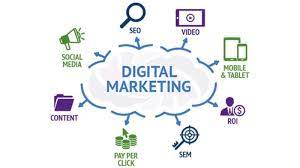
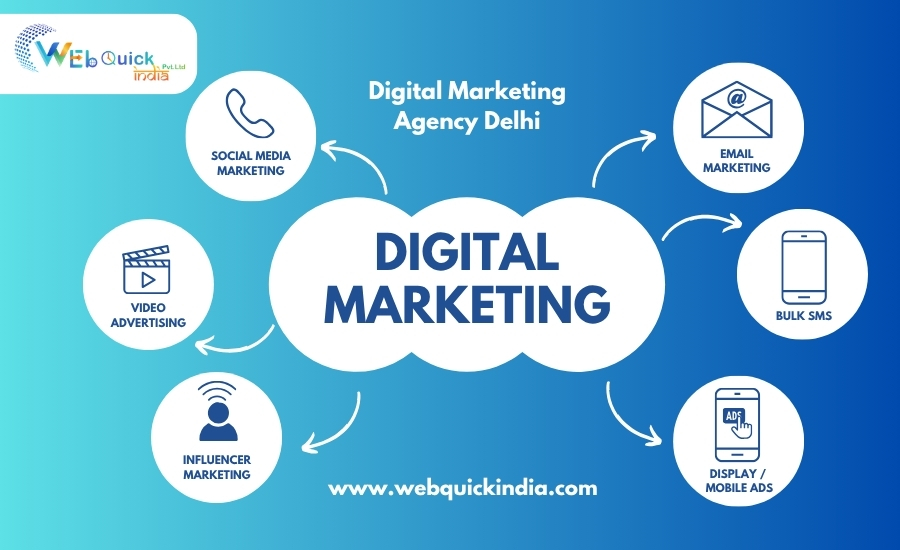
The main types of digital advertising include search adverts, which appear in search engine results; social media adverts, shown across platforms such as Facebook, Instagram and LinkedIn; display adverts, such as banners on websites and apps; and video adverts, which appear on video platforms or within online content. Businesses can also use sponsored content and paid email placements to reach relevant audiences. The right format depends on the campaign’s goals, target audience and budget.
How much does digital advertising cost?
The cost of digital advertising varies depending on the platform, audience, competition, campaign objectives and how long the campaign runs. Some platforms let you set a modest daily budget, while competitive keywords or highly sought-after audiences can cost more per click or impression. Start with a budget you can afford, monitor results such as enquiries or sales, and adjust your spending based on what is working. Remember to include any additional costs, such as creative production or agency fees, when planning your campaign.
Which digital advertising platforms are best for my business?
The best digital advertising platforms for your business depend on your goals, audience and budget. Google Ads can be effective for reaching people actively searching for your products or services, while social platforms such as Facebook, Instagram, LinkedIn and TikTok can help you connect with audiences based on their interests, professional roles or demographics. Consider where your customers spend time online, what type of content suits your offer and which results matter most—such as website visits, enquiries or sales. Start with one or two relevant platforms, test your campaigns and use the results to guide your next steps.
How do I target the right audience with digital adverts?
To target the right audience with digital adverts, start by defining who is most likely to benefit from your product or service. Consider factors such as location, age range, interests, needs and online behaviour, using reliable customer insights where available. Choose advertising platforms that your audience uses, then tailor the advert and landing page to their interests and needs. Test different audience groups and messages, and review relevant results—such as clicks, enquiries or sales—to refine your targeting. Use personal data responsibly and follow applicable privacy rules and platform policies.
How can I measure the success of a digital advertising campaign?
Measure the success of a digital advertising campaign against the goals you set before it began. Track relevant metrics such as reach and impressions for brand awareness, click-through rate for engagement, and conversions, cost per lead or return on ad spend for sales and enquiries. Use analytics tools to follow what people do after clicking, and compare results with your budget and previous campaigns. Reviewing performance regularly can help you identify what is working and make informed adjustments.
What is the difference between paid search advertising and SEO?
Paid search advertising places sponsored listings at the top of search engine results, usually charging the advertiser when someone clicks. It can bring visibility quickly, and businesses can control their budget, keywords and targeting, but traffic generally stops when spending ends. SEO (search engine optimisation) improves a website’s visibility in unpaid search results through useful content, technical improvements and relevant links. SEO typically takes longer to deliver results, but can attract ongoing organic traffic without a charge for each click. The two approaches can complement one another: paid search can support immediate campaigns, while SEO builds visibility over time.
How can I improve the performance of my digital advertising campaigns?
To improve the performance of your digital advertising campaigns, start by setting clear goals and identifying the audience you want to reach. Choose channels and targeting options that suit those goals, and make sure your adverts have a clear message and lead to a relevant, user-friendly landing page. Track meaningful metrics, such as conversions and cost per acquisition, rather than focusing only on clicks or impressions. Test different creative, headlines and audiences, then use the results to refine your campaigns. Review performance regularly, adjust your budget towards the approaches that work best, and ensure your adverts are accurate, accessible and compliant with relevant privacy requirements.