Digital Paid Advertising: A Practical Guide for Businesses
Digital paid advertising allows businesses to promote their products, services or content across online platforms in return for a fee. From search results and social media feeds to websites and streaming services, paid campaigns can help brands reach potential customers where they spend time online.
Unlike organic marketing, which builds visibility over time through content and search engine optimisation, paid advertising can put a message in front of an audience more quickly. However, effective campaigns depend on clear objectives, relevant targeting and careful measurement—not simply on spending more.
Common types of digital paid advertising
Digital advertising takes many forms. The right option depends on the audience, the offer and the outcome a business wants to achieve.
- Search advertising: Text adverts appear on search engine results pages, often in response to specific search terms. This can be useful for reaching people who are actively looking for a product or service.
- Social media advertising: Paid posts and adverts appear on social platforms. Advertisers can often target audiences using factors such as location, interests or broad demographic information.
- Display advertising: Image, animation or text adverts appear on websites and apps. Display campaigns are commonly used to build awareness or reconnect with previous website visitors, where permitted.
- Video advertising: Video adverts can appear before, during or alongside online video content. They offer a way to demonstrate a product, tell a story or explain a service.
- Shopping advertising: Product-focused adverts may show an image, price and retailer details, helping shoppers compare products before visiting a website.
- Sponsored content: A business pays for content to be promoted on a publisher’s website, newsletter or platform. Paid partnerships should be clearly identified to audiences.
Why businesses use paid advertising
A key advantage of paid advertising is control. Businesses can set budgets, choose where adverts appear and adjust campaigns in response to performance. Many platforms also provide reporting on impressions, clicks and other actions, making it possible to assess how a campaign is progressing.
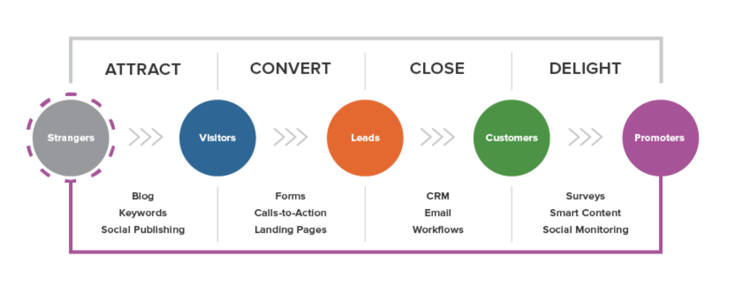
Paid campaigns can support different stages of the customer journey. An advert might introduce a brand to a new audience, encourage someone to compare options or prompt an existing customer to make another purchase. The message and format should suit the stage being addressed.
Paid advertising can also complement other marketing activity. For example, a search campaign may capture demand for a service, while helpful website content provides further information to prospective customers. The strongest results often come from a joined-up approach rather than treating each channel in isolation.
How to plan a campaign
- Set a clear objective. Decide what the campaign is intended to achieve, such as increasing awareness, generating enquiries, driving sales or encouraging app downloads.
- Understand the audience. Consider the needs, questions and habits of the people the campaign is designed to reach. Avoid targeting so broadly that the message becomes irrelevant.
- Choose suitable channels. Select platforms based on audience behaviour and campaign goals, rather than popularity alone.
- Set a realistic budget. Decide how much can be spent and how that budget will be allocated. Include both media costs and the resources needed to create and manage the campaign.
- Create relevant adverts. Use clear language, a specific offer and a call to action that tells people what to do next. Make sure the advert matches the page it links to.
- Prepare the landing page. A click is only useful if the destination is relevant, easy to navigate and works well on mobile devices. The page should make the next step clear.
- Monitor and improve. Review performance regularly and test changes methodically. Adjust targeting, creative or bidding where the evidence suggests an improvement may be possible.
Measuring performance
The right measures depend on the campaign objective. Impressions and reach can help indicate how many people have seen an advert, while click-through rate shows the proportion of impressions that resulted in clicks. These figures provide context, but they do not necessarily show whether a campaign has delivered business value.
For campaigns focused on sales or enquiries, businesses may also track conversions, cost per conversion and return on advertising spend. These measures should be interpreted carefully. Attribution can be complex: a customer may see an advert on one device, research the business later and complete a purchase through another channel.
Reliable measurement requires properly configured analytics and a clear definition of what counts as a valuable action. Businesses should also respect privacy requirements and platform rules when collecting or using data.
Common challenges to avoid
Paid advertising can be costly when campaigns lack a clear purpose or are left unchecked. Common problems include choosing keywords that are too broad, using generic creative, sending visitors to an unsuitable page and judging success by clicks alone.
Another risk is making too many changes at once. If several elements are altered together, it can be difficult to understand what affected performance. Testing one or a small number of changes at a time can make results easier to interpret.
Businesses should also take account of advertising standards, consumer protection requirements and rules governing personal data. Claims in adverts should be accurate and substantiated, and paid endorsements or partnerships should be disclosed clearly.
Making paid advertising work over time
Digital paid advertising is not a guaranteed shortcut to growth. It is a tool that works best when supported by a sound offer, a clear understanding of the audience and a useful experience after the click. Start with measurable objectives, keep campaigns relevant and use performance data to guide decisions.
By treating paid advertising as an ongoing process of planning, testing and refinement, businesses can make more informed use of their budgets and build campaigns that support wider marketing goals.
9 Advantages of Digital Paid Advertising: From Targeting to Conversions
- Reaches targeted audiences
- Delivers quick visibility
- Offers flexible budgets
- Provides measurable results
- Supports precise targeting
- Drives website traffic
- Builds brand awareness
- Enables rapid testing
- Can boost conversions
Challenges of Digital Paid Advertising: Costs, Budget Limitations, Targeting Issues, and Measurement Difficulties
- Can be expensive, especially in competitive markets.
- Results may stop when the budget runs out.
- Poor targeting can waste spend and annoy audiences.
- Measuring the true impact can be difficult.
Reaches targeted audiences
One of the main advantages of digital paid advertising is its ability to reach targeted audiences. Businesses can tailor campaigns to people based on factors such as location, interests, search behaviour and broad demographic details. This helps ensure adverts are shown to people who are more likely to find the product or service relevant, making marketing efforts more focused and potentially reducing wasted spend.
Delivers quick visibility
One of the key advantages of digital paid advertising is that it can deliver visibility quickly. Rather than waiting for organic search rankings or social media reach to build over time, businesses can launch a campaign and begin appearing in front of relevant audiences soon afterwards. This makes paid advertising useful for promoting a new product, supporting a time-sensitive offer or reaching potential customers while they are actively searching online.
Offers flexible budgets
One of the advantages of digital paid advertising is its flexible budgeting. Businesses can choose how much to spend, set daily or campaign-wide limits, and adjust budgets as priorities change. This makes it possible to start small, test different adverts and channels, then invest more in the approaches that perform well—without committing to a fixed, long-term advertising spend.
Provides measurable results
One of the key benefits of digital paid advertising is that it provides measurable results. Businesses can track metrics such as impressions, clicks, conversions and cost per lead to see how campaigns are performing. This makes it easier to identify which adverts and channels are delivering value, adjust underperforming campaigns and make more informed decisions about future marketing budgets.
Supports precise targeting
One of the key advantages of digital paid advertising is its ability to reach a carefully defined audience. Businesses can tailor campaigns using factors such as location, interests, search behaviour and broad demographic information, helping their adverts reach people who are more likely to find the offer relevant. This can make marketing budgets work more efficiently and allow businesses to adapt their message for different audience groups.
Drives website traffic
Digital paid advertising can drive targeted traffic to your website by placing your business in front of people who are likely to be interested in your products or services. Search adverts can reach users actively looking for relevant solutions, while social media and display campaigns can introduce your website to new audiences. With a clear message and a relevant landing page, paid adverts can encourage visitors to explore your offering, make an enquiry or complete a purchase.
Builds brand awareness
Digital paid advertising can help build brand awareness by introducing your business to people who may not have encountered it before. Adverts can appear across search engines, social media, websites and video platforms, giving you opportunities to reach relevant audiences at scale. With consistent messaging and engaging creative, repeated exposure can help people recognise and remember your brand, making it more familiar when they are ready to explore or buy.
Enables rapid testing
Digital paid advertising enables rapid testing by allowing businesses to trial different headlines, images, audiences and offers without waiting months for results. Performance data can show which versions attract more engagement or conversions, helping marketers refine campaigns quickly and make better-informed decisions about where to invest their budget.
Can boost conversions
Digital paid advertising can boost conversions by placing a relevant offer in front of people who are already searching for a product or service, or whose interests suggest they may be receptive to it. With carefully chosen audiences, persuasive adverts and a clear call to action, businesses can guide potential customers towards useful next steps, such as making a purchase, booking a service or submitting an enquiry. Regularly reviewing campaign results also helps advertisers identify what is working and refine their approach.
Can be expensive, especially in competitive markets.
One drawback of digital paid advertising is that it can become expensive, particularly in competitive markets where many businesses are bidding to reach the same audience. This can drive up the cost of clicks or impressions and make it harder for smaller businesses to compete. Without careful budgeting, relevant targeting and regular performance checks, advertising spend may rise without delivering enough sales or enquiries to justify the cost.
Results may stop when the budget runs out.
One drawback of digital paid advertising is that its results may stop when the budget runs out. Once a campaign is paused, adverts usually disappear from search results, social media feeds or websites, so the flow of paid traffic and enquiries can quickly decline. This makes it important for businesses to plan their budgets carefully and support paid campaigns with longer-term marketing activities, such as search engine optimisation and useful content.
Poor targeting can waste spend and annoy audiences.
Poor targeting can make digital paid advertising costly and counterproductive. When adverts are shown to people who are unlikely to be interested, businesses waste budget on impressions and clicks that rarely lead to meaningful action. Irrelevant adverts can also frustrate audiences, making them less receptive to the brand and potentially damaging their perception of it. Careful audience research and regular campaign reviews can help ensure adverts reach people for whom the message is genuinely relevant.
Measuring the true impact can be difficult.
Measuring the true impact of digital paid advertising can be difficult because customers often interact with several channels before making a purchase. Someone might see an advert, visit the website later through a search engine and then buy after receiving an email, making it hard to know which activity deserves credit. Tracking limitations, privacy settings and incomplete data can add to the uncertainty, so businesses should use a range of measures and interpret results carefully rather than relying on a single metric.