The Power of PPC Paid Advertising
PPC (Pay-Per-Click) advertising is a powerful digital marketing strategy that allows businesses to drive targeted traffic to their websites by paying a fee each time their ad is clicked. This form of online advertising is a cost-effective way to reach potential customers and increase brand visibility in search engine results.
How Does PPC Work?
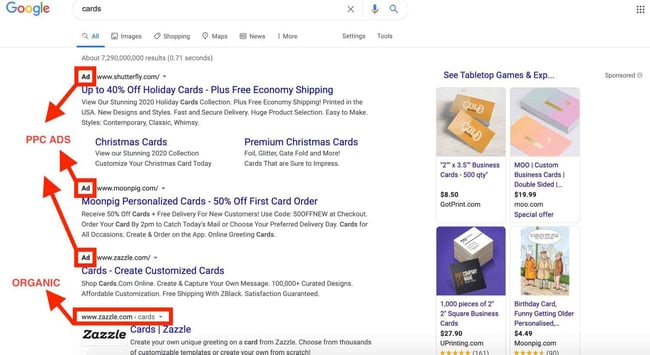
PPC works on a bidding system, where advertisers bid on specific keywords related to their products or services. When a user searches for those keywords on search engines like Google, Bing, or social media platforms, the ads are displayed at the top or bottom of the search results page. Advertisers only pay when users click on their ads, making it a performance-based marketing strategy.
The Benefits of PPC Advertising
Targeted Reach: With PPC advertising, you can target specific demographics, locations, and interests to ensure your ads are seen by the right audience.
Immediate Results: Unlike organic SEO efforts that take time to show results, PPC campaigns can drive immediate traffic to your website and generate leads and sales quickly.
Cost-Effective: You have full control over your budget with PPC advertising. You can set daily or monthly limits to ensure you don’t overspend on your campaigns.
Measurable Results: PPC platforms provide detailed analytics and reporting tools that allow you to track the performance of your ads in real-time. This data helps you make informed decisions and optimize your campaigns for better results.
Tips for Successful PPC Campaigns
Keyword Research: Conduct thorough keyword research to identify relevant keywords with high search volume and low competition for your ads.
Compelling Ad Copy: Create engaging ad copy that entices users to click on your ads. Highlight unique selling points and include a clear call-to-action.
Landing Page Optimization: Ensure that your landing pages are relevant to the ad copy and provide a seamless user experience. A well-designed landing page can improve conversion rates significantly.
In Conclusion
PPC paid advertising is a valuable tool for businesses looking to boost their online presence, drive targeted traffic, and achieve measurable results quickly. By implementing effective PPC campaigns and continuously optimizing them based on performance data, businesses can maximise their ROI and stay ahead in today’s competitive digital landscape.
Essential FAQs on PPC Advertising: Understanding, Costs, Benefits, Success Measurement, and Best Practices
- What is PPC advertising and how does it work?
- How much does PPC advertising cost?
- What are the benefits of using PPC advertising for my business?
- How can I measure the success of my PPC campaigns?
- What are some best practices for creating effective PPC ads?
What is PPC advertising and how does it work?
PPC (Pay-Per-Click) advertising is a digital marketing strategy where advertisers pay a fee each time their ad is clicked. It works on a bidding system, where businesses bid on specific keywords related to their products or services. When users search for those keywords on search engines or social media platforms, the ads are displayed prominently in the search results. Advertisers only pay when users click on their ads, making it a cost-effective and performance-based advertising method. This targeted approach allows businesses to reach potential customers who are actively searching for products or services similar to theirs, driving traffic to their websites and increasing the chances of conversions.
How much does PPC advertising cost?
When it comes to PPC advertising, the cost can vary depending on several factors such as industry competitiveness, keyword selection, target audience, and campaign objectives. PPC advertising operates on a bidding system where advertisers set a maximum bid they are willing to pay for each click on their ad. The actual cost per click (CPC) is determined by the competition for that keyword. Advertisers have control over their budget and can set daily or monthly limits to manage costs effectively. It’s important to monitor and adjust your PPC campaigns regularly to ensure you are getting the best return on investment for your advertising spend.
What are the benefits of using PPC advertising for my business?
Utilising PPC advertising for your business offers a multitude of benefits. Firstly, PPC allows you to target specific audiences based on demographics, interests, and online behaviour, ensuring that your ads reach the right people at the right time. Secondly, PPC provides immediate results, driving traffic to your website and generating leads and sales quickly. Additionally, you have full control over your budget with PPC, allowing you to set limits to avoid overspending. Moreover, the measurable results provided by PPC platforms enable you to track the performance of your ads in real-time and make data-driven decisions to optimise your campaigns for better outcomes. Overall, incorporating PPC advertising into your marketing strategy can significantly enhance brand visibility, drive targeted traffic, and deliver measurable ROI for your business.
How can I measure the success of my PPC campaigns?
To measure the success of your PPC campaigns, it is essential to track key performance indicators (KPIs) that reflect the effectiveness of your ads. Start by monitoring metrics such as click-through rate (CTR), conversion rate, cost per click (CPC), return on ad spend (ROAS), and overall campaign ROI. Utilise analytics tools provided by platforms like Google Ads or Bing Ads to gain insights into your campaign performance. By analysing these metrics regularly and making data-driven decisions, you can determine the impact of your PPC campaigns and make adjustments to optimise for better results.
What are some best practices for creating effective PPC ads?
When it comes to creating effective PPC ads, there are several best practices that can help maximise the success of your campaigns. Firstly, conducting thorough keyword research to identify relevant and high-performing keywords is crucial. Crafting compelling ad copy that is clear, concise, and tailored to your target audience can significantly improve click-through rates. Utilising ad extensions such as sitelinks, callouts, and structured snippets can enhance the visibility and relevance of your ads. It’s also essential to continuously monitor and analyse the performance of your ads, making data-driven adjustments to optimise for better results. By following these best practices, businesses can create impactful PPC ads that drive traffic, generate leads, and ultimately boost conversions.