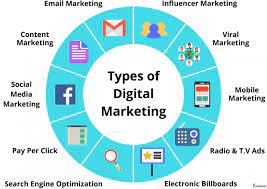
Digital Marketing for Small Business Owners: A Practical Guide
Digital marketing can help a small business reach new customers, build trust and encourage repeat sales. It does not have to mean being active on every platform or spending a fortune on advertising. The best approach is to choose a few channels that suit your customers, set clear goals and improve your activity over time.
Start with your customers and goals
Before choosing marketing channels, consider who you want to reach. What do your customers need? Where do they look for information, and what might persuade them to choose your business?
Then decide what you want your marketing to achieve. For example, you might aim to:
- Increase enquiries or bookings
- Generate more visits to your website or shop
- Build awareness of a new product or service
- Encourage existing customers to return
Clear goals make it easier to choose what to do and assess whether it is working.
Build a useful, easy-to-navigate website
Your website is often the first impression a potential customer gets of your business. It should explain what you offer, who you help and how people can get in touch or make a purchase.
Make sure your website works well on mobile devices, loads promptly and has clear contact details. Use straightforward language, helpful photographs and visible calls to action, such as “Request a quote” or “Book an appointment”. If you sell online, make the buying process as simple as possible.
Make it easier for people to find you in search
Search engine optimisation (SEO) helps your website appear when people search online for relevant products or services. For a small business, the basics can make a meaningful difference:
- Use the words customers are likely to search for in page titles and headings
- Create useful pages that answer common customer questions
- Keep your business name, address and phone number consistent online
- Ask satisfied customers for honest reviews
- If you serve a local area, create and maintain a business profile on relevant map and search services
SEO usually takes time. Focus on providing genuinely useful information rather than trying to repeat keywords unnaturally.
Use social media with a purpose
Social media can help you share updates, show what makes your business distinctive and have conversations with customers. You do not need to use every platform. Choose the ones your audience uses and that suit your content. A visual business might benefit from image-led platforms, while a business selling professional services may find more value in a business networking platform.
Plan a manageable mix of posts: useful tips, product or service information, behind-the-scenes updates and customer stories shared with permission. Respond politely to questions and comments, and make sure your profile includes an accurate description and a link to your website.
Use email to build customer relationships
Email can be an effective way to share news, useful advice and relevant offers with people who have chosen to hear from you. A simple, occasional newsletter may be more valuable than sending frequent messages without a clear purpose.
Use a clear subject line, keep the content focused and include an obvious way to unsubscribe. In the UK, electronic marketing is subject to data protection and privacy rules, including UK GDPR and the Privacy and Electronic Communications Regulations (PECR). Make sure you understand the requirements that apply to your business before collecting details or sending marketing emails.
Consider paid advertising carefully
Online advertising can help you reach people beyond your existing audience, but it is important to set a budget and measure results. Search adverts may suit people actively looking for a product or service, while social media advertising can help introduce your business to selected audiences.
Start with a small test. Choose one clear objective, such as getting enquiries or sales, and send people to a relevant page. Track what happens after someone clicks, not just how many clicks the advert receives. If the results are unclear, adjust the audience, message or landing page before increasing your spend.
Create content that answers real questions
Content marketing means producing useful material that helps customers make informed decisions. This could include articles, short videos, guides, frequently asked questions or demonstrations. Good content can build trust and support your SEO, but it should be practical and relevant rather than created simply to fill a publishing schedule.
Start by listing the questions customers often ask. Answer them clearly, then share the information in the formats and channels that make sense for your audience.
Measure what matters
Digital marketing tools can produce a lot of data. Focus on a few measures connected to your goals, such as:
- Enquiries, bookings or online sales
- Conversion rate: the proportion of visitors who take a desired action
- Cost per enquiry or sale from paid campaigns
- Repeat purchases or customer retention
- Website visits from relevant search terms
Review results regularly, but avoid making decisions based on a single day or an unusually small sample. Keep what is working, improve what is underperforming and stop activities that are consuming time or money without a clear benefit.
Make a realistic plan
A straightforward marketing plan is often more useful than an ambitious one that is difficult to maintain. Choose a small number of priorities for the next few months. For example, you could update your website, improve your local search presence and send one useful email newsletter each month.
Set aside time and a budget for each activity, then review progress at regular intervals. If you work with an agency or freelancer, agree the goals, responsibilities, costs and reporting arrangements in advance.
Final thoughts
Effective digital marketing is not about being everywhere. It is about understanding your customers, communicating a clear reason to choose your business and making it easy for people to take the next step. Begin with the basics, test your ideas and use the results to guide what you do next.
9 Practical Digital Marketing Tips for Small Business Owners
- Set one clear marketing goal for each campaign.
- Claim and update your Google Business Profile.
- Use social platforms your customers already visit.
- Publish useful content that answers common questions.
- Make your website mobile-friendly and quick to load.
- Build an email list with clear permission.
- Use strong calls to action on every page.
- Track visits, enquiries and sales to see what works.
- Test small changes before increasing your budget.
Set one clear marketing goal for each campaign.
Set one clear marketing goal for each campaign so you know exactly what you want it to achieve, whether that is more website enquiries, product sales or newsletter sign-ups. A focused goal helps you choose the right message, audience and channel, while making it easier to measure results. Once the campaign ends, review its performance against that goal and use what you learn to improve your next one.
Claim and update your Google Business Profile.
Claiming and updating your Google Business Profile helps local customers find accurate information about your business in Google Search and Maps. Make sure your address or service area, opening hours, phone number, website and services are correct, and add recent photos that reflect what you offer. You can also share updates and respond professionally to customer reviews. Check your profile regularly so details stay current, especially during holidays or when your services change.
Use social platforms your customers already visit.
Choose social platforms your customers already use, rather than trying to be active everywhere. Think about where they look for recommendations, follow businesses or discuss topics related to your products and services. Focus on one or two suitable platforms, share useful and engaging content regularly, and respond to comments and messages. This helps you make the most of your time and build genuine connections with the people most likely to become customers.
Publish useful content that answers common questions.
Publish useful content that answers the questions your customers ask most often. A clear blog post, short video or simple guide can help people understand your products or services, build trust in your expertise and make it easier for them to decide what to do next. Start with questions you hear from customers, explain the answers in plain English and share the content on the channels your audience uses.
Make your website mobile-friendly and quick to load.
Make sure your website works well on mobile phones and loads quickly. Many potential customers browse on the go, and a slow or difficult-to-use site may prompt them to leave before they discover what you offer. Use a responsive design, keep pages uncluttered and compress large images to improve loading times. Check your site on different devices, and make important information—such as your services, contact details and booking options—easy to find.
Build an email list with clear permission.
Build an email list by inviting customers and website visitors to sign up for useful updates, offers or advice, and make it clear what they can expect and how often you’ll contact them. Always obtain the appropriate permission before sending marketing emails, keep subscriber details secure and include an easy way to unsubscribe in every message. A smaller list of genuinely interested people is often more valuable than a larger list gathered without clear consent.
Use strong calls to action on every page.
Use a clear, strong call to action on every page of your website so visitors know what to do next. Whether you want them to make an enquiry, book an appointment, sign up to your newsletter or buy a product, use concise, action-focused wording such as “Request a quote” or “Shop now”. Make each call to action easy to spot and link it directly to the relevant form or page.
Track visits, enquiries and sales to see what works.
Track visits, enquiries and sales to understand which parts of your digital marketing are bringing in results. Use website analytics and simple records to see where visitors come from, which pages they view and whether they go on to contact you or make a purchase. Review these figures regularly to identify what is working, improve less effective campaigns and spend your time and budget where they are most likely to make a difference.
Test small changes before increasing your budget.
Test small changes before increasing your budget. Try one adjustment at a time, such as changing an advert’s headline, audience or image, so you can see what makes a difference. Track meaningful results, such as enquiries or sales, rather than clicks alone. Once a change consistently improves performance, consider increasing your spend gradually; if it does not, refine your approach before investing more.