The Importance of an E-Marketing Plan for Your Business
In today’s digital age, having a solid e-marketing plan is crucial for the success of any business. With the majority of consumers turning to the internet to research products and services, it is more important than ever to have a strong online presence.
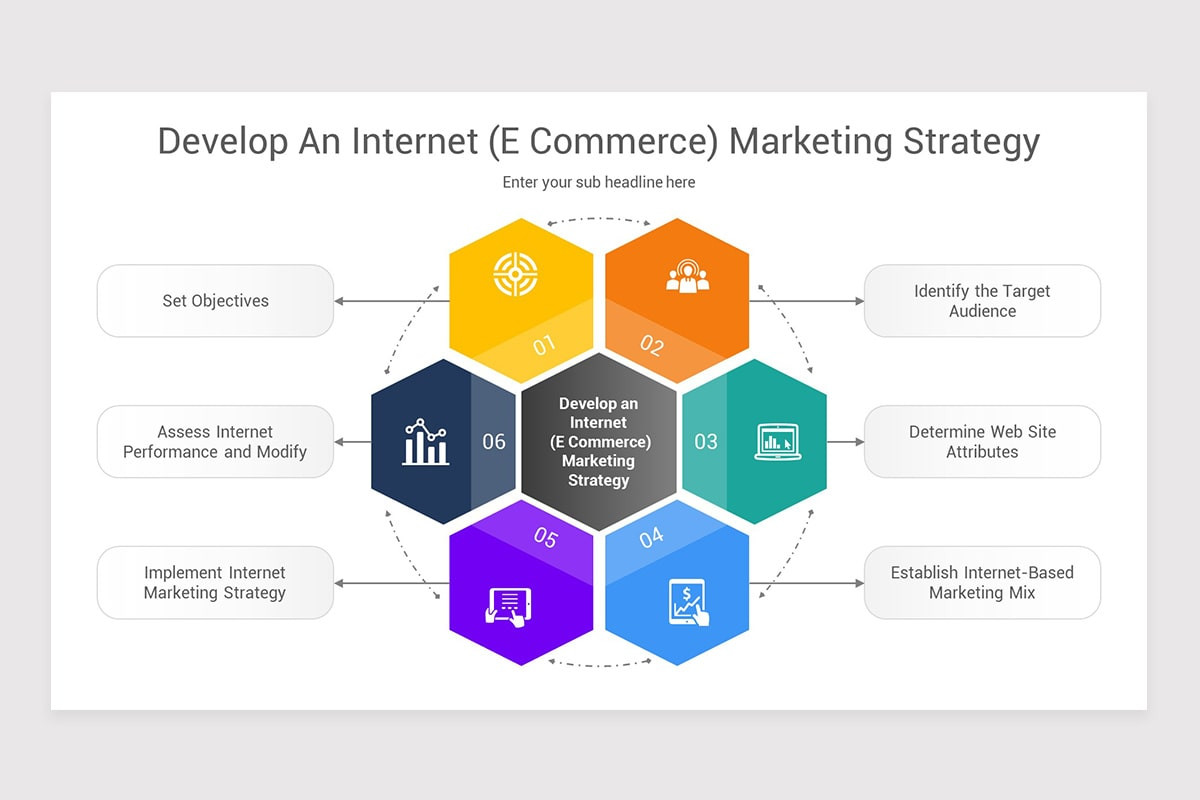
An e-marketing plan outlines your business’s online marketing strategies and tactics to reach your target audience effectively. It helps you define your goals, identify your target market, and determine the best ways to promote your products or services online.
Key Components of an E-Marketing Plan:
- Target Audience: Define who your target audience is and how you will reach them online.
- Website Optimization: Ensure your website is user-friendly, mobile-responsive, and optimised for search engines.
- Social Media Strategy: Develop a strategy for engaging with your audience on social media platforms.
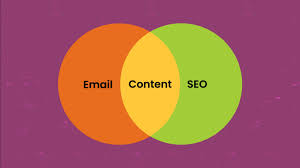
- Email Marketing: Create targeted email campaigns to nurture leads and drive conversions.
- Content Strategy: Plan and create valuable content that resonates with your audience and drives traffic to your website.
- SEO Strategy: Implement SEO tactics to improve your website’s visibility in search engine results.
- Paid Advertising: Consider using paid advertising channels such as Google Ads or social media ads to reach a wider audience.
The Benefits of Having an E-Marketing Plan:
Having a well-defined e-marketing plan offers several benefits for your business, including:
- Increased Brand Awareness: By implementing targeted online marketing strategies, you can increase brand visibility and reach a wider audience.
- Better Customer Engagement: An e-marketing plan allows you to engage with customers through various online channels, building stronger relationships with them.
- Improved ROI: By tracking and analysing the performance of your online marketing efforts, you can optimise campaigns for better return on investment.
- Growth Opportunities: A well-executed e-marketing plan can open up new growth opportunities for your business by reaching new markets and expanding your online presence.
In conclusion, developing an e-marketing plan is essential for any business looking to succeed in today’s competitive digital landscape. By defining clear goals, strategies, and tactics, you can effectively promote your brand online and drive growth for your business.
Top 9 Advantages of an E-Marketing Plan for Enhanced Business Success
- Increased brand visibility
- Targeted reach to specific audience segments
- Cost-effective compared to traditional marketing methods
- Real-time tracking and analysis of campaign performance
- Enhanced customer engagement through various online channels
- Ability to personalise marketing messages for better response rates
- Global reach to a wider audience beyond geographical boundaries
- Opportunity for quick adaptation and adjustment of marketing strategies
- Improved conversion rates and return on investment
Challenges in E-Marketing Plans: Navigating Competition, Costs, and Privacy Issues
- 1. High Competition
- 2. Costly Investment
- 3. Rapid Changes
- 4. Information Overload
- 5. Lack of Personalization
- 6. Technical Challenges
- 7. Data Privacy Concerns
Increased brand visibility
Increased brand visibility is a significant advantage of having an e-marketing plan for your business. By implementing targeted online marketing strategies, you can enhance your brand’s presence and reach a wider audience across various digital platforms. This heightened visibility not only helps in attracting new customers but also reinforces brand recognition among existing ones, ultimately leading to increased brand loyalty and trust. A well-crafted e-marketing plan can effectively showcase your brand to the right audience at the right time, boosting awareness and establishing a strong online presence for your business.
Targeted reach to specific audience segments
One of the key advantages of having an e-marketing plan is the ability to achieve targeted reach to specific audience segments. By defining and understanding your target audience, you can tailor your online marketing strategies to reach those individuals who are most likely to be interested in your products or services. This targeted approach not only increases the effectiveness of your marketing efforts but also enhances customer engagement and conversion rates. By reaching the right audience segments with relevant messages, you can maximise the impact of your online campaigns and drive better results for your business.
Cost-effective compared to traditional marketing methods
In comparison to traditional marketing methods, one significant advantage of an e-marketing plan is its cost-effectiveness. Online marketing allows businesses to reach a larger audience at a fraction of the cost of traditional advertising channels such as TV or print media. With targeted online campaigns, businesses can maximise their marketing budget by reaching specific demographics and tracking the performance of their campaigns in real-time. This cost-effective approach not only saves money but also provides a higher return on investment, making e-marketing an attractive option for businesses looking to promote their products or services efficiently.
Real-time tracking and analysis of campaign performance
One significant advantage of having an e-marketing plan is the ability to conduct real-time tracking and analysis of campaign performance. By monitoring key metrics such as website traffic, click-through rates, conversion rates, and engagement levels in real-time, businesses can quickly assess the effectiveness of their online marketing efforts. This data-driven approach allows for timely adjustments to be made to campaigns, ensuring that resources are allocated efficiently and strategies are optimised for maximum impact. Real-time tracking and analysis empower businesses to make informed decisions based on up-to-date insights, ultimately leading to improved results and a higher return on investment.
Enhanced customer engagement through various online channels
Enhanced customer engagement through various online channels is a significant benefit of having a well-defined e-marketing plan. By utilising platforms such as social media, email marketing, and interactive website content, businesses can actively connect with their target audience, build relationships, and foster customer loyalty. This proactive approach to engaging customers online not only helps in understanding their needs and preferences but also creates a sense of community around the brand, leading to increased customer satisfaction and retention.
Ability to personalise marketing messages for better response rates
The ability to personalise marketing messages is a key advantage of having an e-marketing plan. By tailoring content to individual preferences, demographics, and behaviours, businesses can enhance customer engagement and drive better response rates. Personalisation creates a more meaningful connection with the target audience, increasing the likelihood of conversions and customer loyalty. Through data-driven insights and segmentation strategies, e-marketing plans enable businesses to deliver relevant and timely messages that resonate with customers on a more personal level, ultimately leading to improved marketing effectiveness and overall success.
Global reach to a wider audience beyond geographical boundaries
An e-marketing plan offers the significant advantage of enabling businesses to achieve a global reach, connecting with a wider audience beyond geographical boundaries. By leveraging online marketing strategies such as social media, email campaigns, and search engine optimisation, businesses can transcend physical limitations and engage with potential customers from around the world. This expanded reach not only increases brand visibility but also opens up new opportunities for growth and market expansion on an international scale.
Opportunity for quick adaptation and adjustment of marketing strategies
One key advantage of having an e-marketing plan is the opportunity for quick adaptation and adjustment of marketing strategies. In the fast-paced digital world, trends and consumer preferences can change rapidly. With an e-marketing plan in place, businesses can easily monitor the performance of their online campaigns and make necessary adjustments in real-time to ensure maximum effectiveness. This flexibility allows businesses to stay agile and responsive to market changes, ultimately leading to better results and a competitive edge in the online landscape.
Improved conversion rates and return on investment
An e-marketing plan offers the significant advantage of improved conversion rates and return on investment for businesses. By implementing targeted online marketing strategies, businesses can effectively reach their target audience, engage with potential customers, and drive them towards desired actions, such as making a purchase or signing up for a service. This focused approach not only increases the likelihood of conversions but also helps businesses track and analyse the performance of their campaigns to optimise for better return on investment, ultimately maximising the effectiveness of their marketing efforts.
1. High Competition
In the realm of e-marketing, one significant drawback is the high level of competition that businesses face in the online market. With a saturation of competitors vying for consumers’ attention, it becomes increasingly challenging for businesses to distinguish themselves and stand out amidst the crowd. This intense competition can make it difficult for companies to attract and retain customers, as they must work harder to capture their target audience’s interest and loyalty in a fiercely competitive digital landscape.
2. Costly Investment
One significant drawback of implementing an effective e-marketing plan is the costly investment it often entails. From developing a user-friendly website to running targeted online advertising campaigns, the financial resources required for a comprehensive e-marketing strategy can be substantial. Businesses may need to allocate a significant budget for activities such as search engine optimisation, social media advertising, and email marketing to ensure their online presence is competitive and impactful. This financial commitment can pose a challenge for smaller businesses with limited resources, making it crucial to carefully assess the cost-benefit ratio of each e-marketing initiative.
3. Rapid Changes
One significant drawback of an e-marketing plan is the rapid pace of change in online trends and algorithms. Keeping up with these changes necessitates frequent updates to your e-marketing strategies. Failure to adapt swiftly to evolving online landscapes can result in outdated tactics that may not effectively reach your target audience or achieve desired outcomes. This constant need for adjustment and refinement can be time-consuming and resource-intensive, posing a challenge for businesses aiming to stay competitive in the ever-changing digital environment.
4. Information Overload
In the realm of e-marketing, a significant drawback is the risk of information overload for consumers. With the abundance of online marketing messages bombarding individuals daily, there is a growing concern about potential message fatigue among consumers. The sheer volume of promotional content can overwhelm and desensitise audiences, making it challenging for businesses to capture and retain their attention effectively. This con highlights the importance of crafting targeted and engaging marketing campaigns that stand out amidst the noise to avoid contributing to consumer fatigue in the digital space.
5. Lack of Personalization
One significant drawback of an e-marketing plan is the lack of personalization. With the vast amount of data and customers to cater to, it can be challenging to create personalised experiences for each individual in an online marketing strategy. Tailoring content and messages to suit the unique preferences and needs of every customer can be time-consuming and resource-intensive, leading to a potential gap in providing a truly personalised experience that resonates with each customer on a deeper level.
6. Technical Challenges
One significant drawback of an e-marketing plan is the presence of technical challenges. Managing multiple online platforms and tools can prove to be a complex and time-consuming task for businesses. From ensuring website functionality to navigating different digital marketing tools, businesses may face difficulties in effectively coordinating and optimising their online presence. These technical challenges can require additional resources, expertise, and time to overcome, potentially hindering the smooth execution of e-marketing strategies.
7. Data Privacy Concerns
In the realm of e-marketing plans, one notable con is the growing concern over data privacy. As regulations surrounding data protection continue to tighten, businesses must navigate carefully to ensure compliance with laws and regulations in their online marketing endeavours. Failure to address data privacy concerns adequately can not only lead to legal repercussions but also erode consumer trust and loyalty, ultimately hindering the effectiveness of e-marketing strategies.