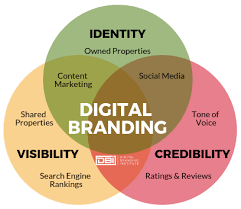
In today’s fast-paced digital world, establishing a strong brand presence is crucial for any business looking to stand out from the competition. Digital marketing branding plays a key role in shaping how consumers perceive and interact with a brand online.
What is digital marketing branding?
Digital marketing branding involves creating a consistent and compelling brand identity across various online channels such as websites, social media platforms, email campaigns, and more. It goes beyond just having a logo or colour scheme – it encompasses the overall experience that consumers have with your brand online.
The importance of digital marketing branding
A strong digital marketing branding strategy can help businesses build trust and credibility with their target audience. By conveying a clear brand message and values, businesses can connect with consumers on a deeper level and foster long-term relationships.
Furthermore, effective digital marketing branding can differentiate a business from its competitors and create a memorable impression in the minds of consumers. Consistency in branding across all online touchpoints helps reinforce brand recognition and loyalty.
Key elements of successful digital marketing branding
Brand positioning: Clearly define what sets your brand apart from others in the market and communicate this effectively to your target audience.
Visual identity: Develop a visually appealing and cohesive brand identity that reflects your brand values and resonates with your target audience.
Content strategy: Create high-quality, engaging content that aligns with your brand voice and messaging to attract and retain customers.
Social media presence: Utilise social media platforms to engage with your audience, share valuable content, and humanise your brand.
Customer experience: Provide a seamless and positive online experience for customers at every touchpoint to enhance brand perception.
In conclusion, digital marketing branding is an essential component of any successful online marketing strategy. By investing time and effort into developing a strong brand identity online, businesses can build trust, loyalty, and recognition among their target audience, ultimately driving growth and success in the digital landscape.
Exploring Digital Marketing Branding: Key Questions and Insights for Business Success
- What is digital marketing branding?
- Why is digital marketing branding important for businesses?
- How can digital marketing branding help differentiate a business from its competitors?
- What are the key elements of successful digital marketing branding?
- How does brand positioning play a role in digital marketing branding?
- What is the significance of visual identity in digital marketing branding?
- How can businesses develop an effective content strategy for their digital marketing branding efforts?
- Why is maintaining a strong social media presence essential for successful digital marketing branding?
- How does providing a positive customer experience contribute to effective digital marketing branding?
What is digital marketing branding?
Digital marketing branding refers to the strategic process of creating and maintaining a consistent brand identity across various online platforms to establish a strong and recognisable presence in the digital landscape. It involves crafting a compelling brand message, visual elements, and tone of voice that resonate with the target audience, ultimately shaping how consumers perceive and engage with a brand online. By effectively leveraging digital marketing branding strategies, businesses can differentiate themselves from competitors, build trust and credibility with their audience, and cultivate long-lasting relationships that drive success in the digital realm.
Why is digital marketing branding important for businesses?
Digital marketing branding is crucial for businesses as it helps establish a unique identity and presence in the crowded online marketplace. By creating a strong brand image and consistent messaging across digital channels, businesses can differentiate themselves from competitors, build credibility with their target audience, and foster customer loyalty. A well-defined digital marketing branding strategy not only enhances brand recognition but also influences consumer perceptions, driving engagement and ultimately leading to increased sales and business growth.
How can digital marketing branding help differentiate a business from its competitors?
Digital marketing branding plays a crucial role in differentiating a business from its competitors by establishing a unique and memorable brand identity that resonates with consumers. By effectively communicating the brand’s values, personality, and USP (Unique Selling Proposition) through various online channels, businesses can create a distinct image that sets them apart in the market. Consistency in branding across all digital touchpoints helps build brand recognition and loyalty among consumers, making it easier for them to identify and choose the business over competitors. Ultimately, digital marketing branding enables businesses to carve out their own niche, stand out in a crowded marketplace, and attract and retain customers who align with their brand values.
What are the key elements of successful digital marketing branding?
When it comes to successful digital marketing branding, several key elements play a crucial role in shaping a brand’s online presence and perception. These elements include defining a clear brand positioning that differentiates the brand in the market, developing a visually appealing and consistent brand identity that resonates with the target audience, creating engaging and high-quality content that aligns with the brand voice and messaging, leveraging social media platforms to connect with customers and humanise the brand, and providing a seamless and positive online customer experience at every touchpoint. By focusing on these key elements, businesses can establish a strong digital marketing branding strategy that builds trust, loyalty, and recognition among their audience while driving growth and success in the digital realm.
How does brand positioning play a role in digital marketing branding?
Brand positioning plays a crucial role in digital marketing branding by defining how a brand distinguishes itself from competitors in the online space. It involves identifying and communicating the unique value proposition of a brand to its target audience, shaping perceptions, and influencing consumer decisions. Effective brand positioning in digital marketing helps businesses establish a strong presence, build credibility, and create meaningful connections with customers. By clearly articulating what sets the brand apart and resonating with the needs and preferences of the target audience, brand positioning lays the foundation for a successful digital marketing strategy that drives engagement, loyalty, and ultimately, business growth.
What is the significance of visual identity in digital marketing branding?
The significance of visual identity in digital marketing branding cannot be overstated. Visual elements such as logos, colour schemes, typography, and imagery play a crucial role in shaping how a brand is perceived online. A strong visual identity not only helps businesses stand out in a crowded digital landscape but also conveys brand values, personality, and professionalism to consumers. Consistency in visual branding across various online channels builds brand recognition and trust, making it easier for customers to connect with and remember the brand. Ultimately, a well-crafted visual identity enhances brand visibility, credibility, and memorability in the competitive world of digital marketing.
How can businesses develop an effective content strategy for their digital marketing branding efforts?
Developing an effective content strategy for digital marketing branding efforts is crucial for businesses looking to establish a strong online presence. To create a successful content strategy, businesses should start by defining their target audience and understanding their needs and preferences. By conducting thorough market research and competitor analysis, businesses can identify key trends and topics that resonate with their target demographic. It is essential to align the content with the brand’s values and messaging to ensure consistency across all online channels. Businesses should also focus on creating high-quality, engaging content that provides value to their audience and encourages interaction and sharing. Regularly analysing the performance of the content and adjusting the strategy based on insights will help businesses stay relevant and effective in their digital marketing branding efforts.
Why is maintaining a strong social media presence essential for successful digital marketing branding?
Maintaining a strong social media presence is essential for successful digital marketing branding for several reasons. Firstly, social media platforms provide businesses with a direct and interactive way to engage with their target audience, allowing for real-time communication and feedback. By actively participating in social media conversations, businesses can humanise their brand, build relationships with customers, and showcase their brand personality. Additionally, a strong social media presence helps increase brand visibility and reach, as well as drive website traffic and conversions. Consistent and strategic use of social media can also help businesses establish credibility, trust, and authority within their industry, ultimately contributing to a positive brand image and long-term success in the digital landscape.
How does providing a positive customer experience contribute to effective digital marketing branding?
Providing a positive customer experience is paramount to effective digital marketing branding as it directly impacts how consumers perceive and interact with a brand online. When customers have a seamless and enjoyable experience with a brand, they are more likely to develop trust, loyalty, and positive associations with that brand. This positive sentiment can lead to increased customer satisfaction, repeat business, and word-of-mouth referrals – all of which are essential for building a strong brand presence in the digital landscape. By prioritising customer experience in digital marketing efforts, businesses can create lasting impressions that resonate with their target audience and contribute to long-term brand success.