The Power of Paid Advertising in Digital Marketing
In today’s fast-paced digital world, paid advertising has become an essential component of any successful marketing strategy. With the rise of online platforms and social media channels, businesses have a unique opportunity to reach their target audience with precision and efficiency through paid advertising.
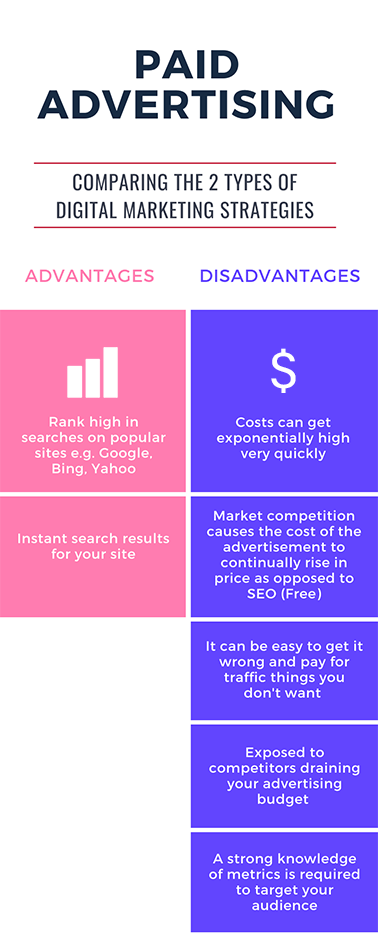
One of the key benefits of paid advertising in digital marketing is its ability to deliver immediate results. Unlike organic methods that can take time to gain traction, paid advertising allows businesses to quickly generate traffic, leads, and conversions. This instant gratification can be crucial for businesses looking to boost sales or promote time-sensitive offers.
Furthermore, paid advertising offers unparalleled targeting options that enable businesses to reach specific demographics, interests, and behaviours. Platforms like Google Ads and Facebook Ads provide advanced targeting tools that allow advertisers to tailor their campaigns to reach the most relevant audience for their products or services.
Another advantage of paid advertising is its scalability. Businesses have the flexibility to adjust their ad spend based on performance metrics and budget constraints. This means that businesses can start small and gradually increase their investment as they see positive results, making paid advertising a cost-effective option for businesses of all sizes.
Moreover, paid advertising provides valuable insights into campaign performance through detailed analytics and reporting tools. Businesses can track key metrics such as click-through rates, conversion rates, and return on investment to measure the effectiveness of their campaigns and make data-driven decisions for future marketing efforts.
In conclusion, paid advertising is a powerful tool in the digital marketing landscape that offers immediate results, precise targeting capabilities, scalability, and valuable insights for businesses looking to enhance their online presence and drive growth. By incorporating paid advertising into their marketing strategy, businesses can effectively reach their target audience and achieve their business objectives in today’s competitive digital marketplace.
Essential FAQs on Paid Advertising in Digital Marketing: Strategies, Platforms, and Effectiveness
- What is paid advertising in digital marketing?
- How does paid advertising differ from organic marketing strategies?
- Which platforms are commonly used for paid advertising in digital marketing?
- What are the key benefits of using paid advertising in digital marketing?
- How can businesses measure the effectiveness of their paid advertising campaigns?
- What are some best practices for creating successful paid advertising campaigns?
- Is paid advertising cost-effective for businesses of all sizes?
What is paid advertising in digital marketing?
Paid advertising in digital marketing refers to the practice of promoting products or services through online channels by paying a fee to display ads to a specific audience. This form of advertising allows businesses to reach their target customers effectively and efficiently by leveraging platforms such as search engines, social media, and websites. Paid advertising enables businesses to boost their online visibility, drive traffic to their websites, and increase conversions through strategic ad placements and targeting options. By investing in paid advertising, businesses can amplify their marketing efforts, generate leads, and achieve measurable results in the competitive digital landscape.
How does paid advertising differ from organic marketing strategies?
In the realm of digital marketing, the distinction between paid advertising and organic marketing strategies lies in their approach to reaching and engaging with target audiences. Paid advertising involves businesses paying for ad placements on various online platforms, such as search engines or social media, to promote their products or services. In contrast, organic marketing strategies focus on building visibility and attracting customers through non-paid methods like content creation, search engine optimization (SEO), and social media engagement. While paid advertising offers immediate visibility and control over targeting options, organic marketing strategies prioritise long-term growth through building credibility, trust, and sustainable relationships with audiences. Both approaches play a vital role in a comprehensive digital marketing strategy, each offering unique benefits and opportunities for businesses to connect with their target audience effectively.
Which platforms are commonly used for paid advertising in digital marketing?
In the realm of digital marketing, various platforms are commonly utilised for paid advertising to reach and engage with target audiences effectively. Some of the popular platforms include Google Ads, which allows businesses to display ads on Google search results and across its vast network of partner websites. Social media platforms like Facebook Ads and Instagram Ads offer powerful targeting options based on demographics, interests, and behaviours, making them ideal for reaching specific audience segments. Additionally, platforms such as LinkedIn Ads cater to a professional audience, while display advertising networks like AdRoll enable businesses to retarget website visitors with personalised ads. These diverse platforms provide businesses with a range of options to strategically allocate their ad spend and maximise their digital marketing efforts.
What are the key benefits of using paid advertising in digital marketing?
When it comes to utilising paid advertising in digital marketing, businesses can reap a multitude of key benefits. Firstly, paid advertising offers the advantage of immediate results, allowing businesses to quickly generate traffic, leads, and conversions compared to organic methods. Secondly, the precise targeting options available through platforms like Google Ads and Facebook Ads enable businesses to reach specific demographics, interests, and behaviours with precision. Additionally, the scalability of paid advertising allows businesses to adjust their ad spend based on performance metrics and budget constraints, making it a cost-effective option for businesses of all sizes. Furthermore, the detailed analytics and reporting tools provided by paid advertising platforms offer valuable insights into campaign performance, empowering businesses to make informed decisions for future marketing strategies.
How can businesses measure the effectiveness of their paid advertising campaigns?
Businesses can measure the effectiveness of their paid advertising campaigns through a variety of key performance indicators (KPIs) that provide valuable insights into campaign performance. Metrics such as click-through rates, conversion rates, return on ad spend, and cost per acquisition are commonly used to evaluate the success of paid advertising efforts. By analysing these metrics, businesses can determine the impact of their campaigns, identify areas for improvement, and make informed decisions to optimise their advertising strategies for better results. Additionally, tools like Google Analytics and social media analytics platforms offer detailed data and reporting capabilities that allow businesses to track and measure the effectiveness of their paid advertising campaigns in real-time, enabling them to adjust their tactics and investments accordingly.
What are some best practices for creating successful paid advertising campaigns?
When it comes to creating successful paid advertising campaigns in digital marketing, there are several best practices to keep in mind. Firstly, defining clear campaign objectives and target audience is crucial. Understanding who you are trying to reach and what you want to achieve will help tailor your ad content and targeting strategy effectively. Secondly, compelling ad copy and visuals that resonate with your audience can significantly impact campaign performance. A/B testing different creatives and messaging can help identify what resonates best with your target audience. Additionally, regular monitoring and optimization of campaigns based on performance data is essential for maximising results. By continuously analysing key metrics and making data-driven adjustments, businesses can refine their paid advertising campaigns for optimal success in the competitive digital landscape.
Is paid advertising cost-effective for businesses of all sizes?
When considering the cost-effectiveness of paid advertising in digital marketing for businesses of all sizes, it is essential to evaluate the unique advantages and challenges that come with this marketing strategy. Paid advertising can be a highly cost-effective option for businesses of all sizes due to its ability to deliver immediate results, precise targeting capabilities, scalability, and valuable insights into campaign performance. Small businesses can benefit from paid advertising by reaching their target audience with precision and efficiency, even with limited budgets. On the other hand, larger businesses can leverage paid advertising to scale their campaigns based on performance metrics and budget constraints. By carefully monitoring key metrics and adjusting their strategies accordingly, businesses of all sizes can maximise the cost-effectiveness of paid advertising in digital marketing to drive growth and achieve their business objectives in today’s competitive online landscape.