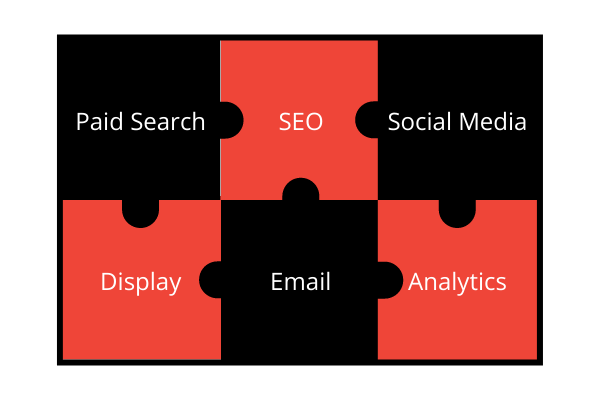
In the world of digital marketing, paid search advertising plays a crucial role in helping businesses reach their target audience and drive conversions. Paid search, also known as pay-per-click (PPC) advertising, is a model where advertisers pay a fee each time their ad is clicked. This form of online advertising allows businesses to bid for ad placement in a search engine’s sponsored links when someone searches for a specific keyword related to their business.
One of the key benefits of paid search advertising is its ability to deliver highly targeted traffic to a website. Advertisers can choose the keywords they want to target, ensuring that their ads are shown to users who are actively searching for products or services related to their business. This targeted approach not only increases the likelihood of conversion but also helps businesses maximise their return on investment.
Another advantage of paid search advertising is its flexibility and scalability. Advertisers have full control over their ad campaigns, allowing them to set budgets, target specific locations, and schedule ads to run at certain times. This level of control enables businesses to adjust their campaigns in real-time based on performance data, ensuring that they are getting the most out of their advertising spend.
Furthermore, paid search advertising provides valuable insights into consumer behaviour and preferences. By analysing data such as click-through rates, conversion rates, and keyword performance, advertisers can gain a deeper understanding of their target audience and refine their marketing strategies accordingly. This data-driven approach not only improves campaign performance but also helps businesses make informed decisions about future marketing initiatives.
Overall, paid search advertising is an essential component of any digital marketing strategy. Its ability to deliver targeted traffic, provide flexibility and scalability, and offer valuable insights make it a powerful tool for businesses looking to increase brand visibility and drive conversions online.
8 Essential Tips for Mastering Paid Search in Digital Marketing
- 1. Conduct thorough keyword research to target relevant search terms.
- 2. Create compelling ad copy that entices users to click on your ads.
- 3. Use ad extensions to provide additional information and enhance your ad’s visibility.
- 4. Implement conversion tracking to measure the effectiveness of your campaigns.
- 5. Regularly monitor and analyse campaign performance to make data-driven decisions.
- 6. Test different ad variations to optimize for better results over time.
- 7. Set clear goals and budgets for your paid search campaigns to stay on track.
- 8. Stay updated with industry trends and algorithm changes to adapt your strategies accordingly.
1. Conduct thorough keyword research to target relevant search terms.
Conducting thorough keyword research is a critical tip in paid search advertising within digital marketing. By identifying and targeting relevant search terms, businesses can ensure that their ads are shown to users actively searching for products or services they offer. Effective keyword research not only helps businesses reach their target audience but also improves ad relevance, click-through rates, and overall campaign performance. By understanding the search terms that resonate with their audience, businesses can create highly targeted ad campaigns that drive quality traffic and maximise their return on investment.
2. Create compelling ad copy that entices users to click on your ads.
Creating compelling ad copy is a crucial tip in paid search advertising as it plays a significant role in enticing users to click on your ads. Well-crafted ad copy that is engaging, relevant, and tailored to the target audience can make a big difference in driving click-through rates and ultimately conversions. By highlighting unique selling points, offering solutions to users’ needs, and incorporating strong calls-to-action, businesses can capture the attention of potential customers and encourage them to take action. In a competitive digital landscape, compelling ad copy can set your ads apart from the rest and maximise the effectiveness of your paid search campaigns.
3. Use ad extensions to provide additional information and enhance your ad’s visibility.
When utilising paid search in digital marketing, a valuable tip is to incorporate ad extensions to offer supplementary information and boost the visibility of your ads. Ad extensions enable advertisers to include extra details such as site links, callouts, and structured snippets, providing users with more context about their offerings. By leveraging ad extensions effectively, businesses can enhance the relevance and appeal of their ads, ultimately increasing click-through rates and driving better results for their campaigns.
4. Implement conversion tracking to measure the effectiveness of your campaigns.
Implementing conversion tracking is a crucial step in maximising the effectiveness of your paid search campaigns in digital marketing. By tracking conversions, such as form submissions, purchases, or sign-ups, you can gain valuable insights into which ads and keywords are driving the most valuable actions on your website. This data allows you to optimise your campaigns based on performance metrics and make informed decisions to improve ROI and overall campaign success.
5. Regularly monitor and analyse campaign performance to make data-driven decisions.
Regularly monitoring and analysing campaign performance is a crucial tip in paid search digital marketing. By tracking key metrics such as click-through rates, conversion rates, and keyword performance, businesses can gain valuable insights into the effectiveness of their ad campaigns. This data-driven approach enables advertisers to make informed decisions about optimising their campaigns, reallocating budgets to high-performing keywords, and refining targeting strategies to maximise ROI. By staying on top of campaign performance, businesses can continuously improve their paid search advertising efforts and achieve better results in reaching their target audience and driving conversions.
6. Test different ad variations to optimize for better results over time.
One crucial tip in paid search advertising for digital marketing is to test different ad variations to optimise for better results over time. By experimenting with various ad copy, headlines, and calls-to-action, businesses can gather valuable data on what resonates best with their target audience. This iterative testing process allows advertisers to refine their ads based on performance metrics, such as click-through rates and conversion rates, ultimately improving the effectiveness of their campaigns and maximising return on investment.
7. Set clear goals and budgets for your paid search campaigns to stay on track.
Setting clear goals and budgets for your paid search campaigns is essential to staying on track and maximising your return on investment. By defining specific objectives, such as increasing website traffic, generating leads, or driving sales, you can tailor your campaigns to meet these goals effectively. Establishing a realistic budget ensures that you allocate resources efficiently and avoid overspending. Regularly monitoring and adjusting your campaigns based on performance data will help you stay focused and achieve the desired outcomes for your paid search efforts.
8. Stay updated with industry trends and algorithm changes to adapt your strategies accordingly.
Staying updated with industry trends and algorithm changes is paramount in the world of paid search advertising within digital marketing. By keeping abreast of the latest developments, businesses can adapt their strategies accordingly to stay ahead of the competition and maximise their advertising efforts. Understanding how search engine algorithms work and knowing about industry trends allows businesses to make informed decisions when creating and optimising their paid search campaigns, ultimately leading to improved performance and better ROI.