Omnichannel Digital Marketing: Creating a Connected Customer Experience
Customers rarely interact with a business through just one channel. They might discover a brand on social media, browse its website, read an email, visit a shop and later contact customer support. Omnichannel digital marketing brings these interactions together, helping businesses provide a consistent and relevant experience wherever customers choose to engage.
What is omnichannel digital marketing?
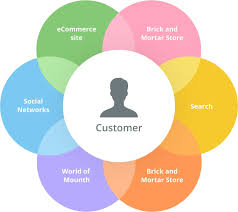
Omnichannel digital marketing is an approach that connects a business’s marketing channels and customer touchpoints. These may include websites, email, social media, search advertising, mobile apps, online marketplaces, physical shops and customer service.
The aim is not simply to be present on lots of platforms. It is to make those platforms work together. For example, a customer who adds an item to an online basket might receive a helpful reminder by email, while a customer service agent can see the relevant order details if the customer gets in touch.
Omnichannel versus multichannel marketing
Multichannel marketing means using several channels to reach customers. However, those channels may operate separately, with different messages, data and processes.
Omnichannel marketing connects the channels around the customer. The experience is designed to feel coherent as people move between them. A social media post, website page and email campaign can each serve a different purpose while sharing consistent information, branding and offers.
Why an omnichannel approach matters
- A more consistent experience: Customers are less likely to encounter conflicting information, prices or promotions across different channels.
- More relevant communications: When used responsibly, connected data can help businesses tailor messages to customers’ interests and previous interactions.
- Smoother journeys: Customers can move between channels without having to start again or repeat information unnecessarily.
- Better-informed decisions: A joined-up view of activity can help marketers understand how different touchpoints contribute to a customer journey.
- Stronger customer relationships: Useful, timely communication can help build trust and encourage repeat engagement.
How to build an omnichannel strategy
Understand your customers’ journeys
Start by identifying how customers discover, consider and purchase your products or services. Map the key touchpoints, including the steps where people may need help or abandon their journey. Use customer research, analytics and feedback to understand what is happening, rather than relying on assumptions.
Set clear objectives
Decide what the strategy should achieve. Objectives might include improving the online purchase experience, increasing repeat purchases, generating more qualified leads or reducing customer effort. Clear goals help determine which channels, tools and measurements are needed.
Connect your channels and data
Review the systems that support your marketing and customer service, such as your customer relationship management platform, email service, website analytics and e-commerce tools. Where possible, make sure they can share accurate, relevant information. Good data governance and appropriate customer consent are essential.
Keep the experience consistent
Consistency includes more than using the same logo and colours. Make sure product details, pricing, availability, tone of voice and promotional terms are clear across channels. Adapt the format to suit each platform, but avoid making the overall experience feel disconnected.
Personalise with care
Personalisation can make communications more useful, but it should be based on appropriate data and clear customer expectations. Use information to improve relevance, not simply to increase the number of messages sent. Provide straightforward ways for people to manage their preferences and opt out where applicable.
Test, learn and improve
Omnichannel marketing is an ongoing process. Test different messages, timings and customer journeys, then assess what works. Pay attention to customer feedback as well as campaign performance, and update the strategy as behaviours and business needs change.
Measuring omnichannel performance
Because customers may interact with several channels before taking action, measuring each channel in isolation can give an incomplete picture. Useful measures may include:
- conversion rates and completed purchases;
- customer retention and repeat purchase rates;
- engagement across email, social media and other channels;
- customer satisfaction and feedback;
- time taken to resolve customer enquiries;
- the number of customers who move successfully between channels.
Attribution models can help marketers explore how different touchpoints contribute to a result. However, no single model captures every influence on a customer’s decision. Combine performance data with research and judgement, and be clear about the limitations of the information available.
Common challenges
Businesses may face disconnected technology, inconsistent records, unclear ownership of customer data or teams working towards different goals. Trying to launch too many channels at once can also make the experience harder to manage.
A practical solution is to start with a high-value customer journey and improve it step by step. Agree who is responsible for each touchpoint, set shared standards and prioritise reliable data over complexity. Staff training and collaboration between marketing, sales, digital and customer service teams are just as important as the technology.
Conclusion
Omnichannel digital marketing is about making customer interactions feel connected, useful and consistent. It does not require every business to use every available platform. Instead, it requires a thoughtful understanding of customer needs, well-managed data and channels that support one another. By starting with the customer journey and improving it over time, businesses can create a more coherent experience and make their marketing efforts easier to evaluate.
Understanding Omnichannel Digital Marketing: Key Questions and Insights
- What is omnichannel digital marketing?
- What is the difference between omnichannel and multichannel marketing?
- Why is omnichannel marketing important for businesses?
- How can a business create an effective omnichannel marketing strategy?
- Which channels should be included in an omnichannel marketing strategy?
- How can you measure the success of omnichannel digital marketing?
What is omnichannel digital marketing?
Omnichannel digital marketing is an approach that connects a business’s digital channels—such as its website, email, social media and mobile app—to create a consistent, seamless customer experience. Rather than treating each channel separately, it helps customers move between them easily, with relevant messaging and information that reflects their interactions with the business.
What is the difference between omnichannel and multichannel marketing?
Multichannel marketing uses several channels, such as email, social media and a website, but they may operate independently. Omnichannel marketing connects those channels around the customer, creating a more consistent experience as people move between them. In short, multichannel is about being present on multiple platforms, while omnichannel is about making those platforms work together.
Why is omnichannel marketing important for businesses?
Omnichannel marketing is important because it creates a more consistent, convenient experience as customers move between a business’s website, email, social media, shops and customer service. By connecting these channels and using customer data responsibly, businesses can provide more relevant communications, reduce friction in the buying journey and better understand how people interact with their brand. This can help strengthen customer relationships, encourage repeat business and make marketing activity more effective.
How can a business create an effective omnichannel marketing strategy?
A business can create an effective omnichannel marketing strategy by first mapping the customer journey and identifying the channels customers use at each stage. Set clear goals, then connect relevant systems and data so that marketing, sales and customer service teams can deliver consistent information and a seamless experience. Tailor content to each channel while keeping the brand message and offers aligned, and use customer data responsibly with appropriate consent. Finally, measure performance across the whole journey, gather customer feedback and regularly test and improve the approach.
Which channels should be included in an omnichannel marketing strategy?
The channels in an omnichannel marketing strategy should reflect how your audience prefers to discover, research and buy from your business. They may include your website, email, social media, search advertising, mobile app, SMS, online marketplaces, physical shops and customer service channels such as live chat or phone. Rather than using every available channel, choose the ones that matter to your customers and connect them so information, messaging and service remain consistent as people move between them.
How can you measure the success of omnichannel digital marketing?
The success of omnichannel digital marketing can be measured by combining channel-specific metrics with a view of the complete customer journey. Track indicators such as conversion rates, customer acquisition costs, engagement, repeat purchases, retention and customer satisfaction, as well as how effectively people move between channels. Use analytics and attribution tools to understand how different touchpoints contribute to outcomes, while recognising that no single model captures every influence. Comparing results against clear objectives over time can show what is working and where the experience could be improved.