Interactive Digital Marketing: Turning Audiences into Participants
Digital marketing is no longer just about putting a message in front of an audience. People expect to take part, make choices and receive experiences that feel relevant to them. Interactive digital marketing meets this expectation by inviting customers to engage with a brand rather than simply view its content.
What is interactive digital marketing?
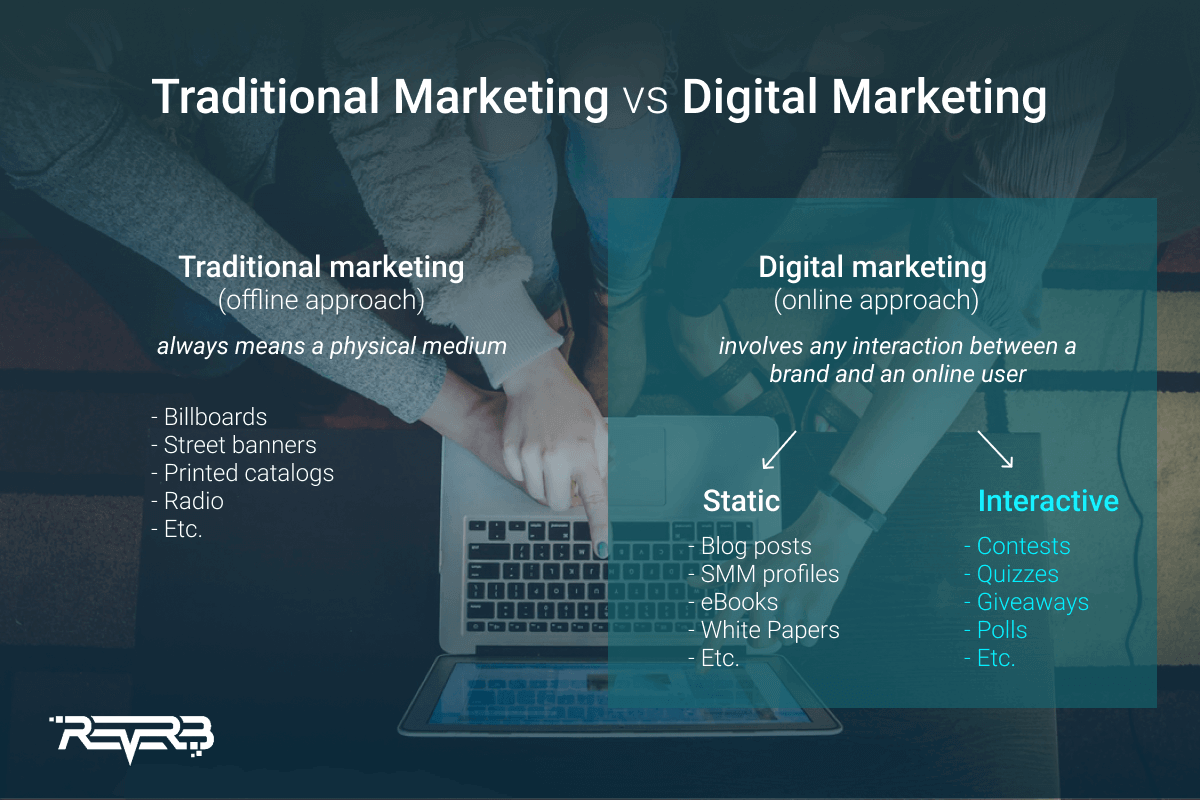
Interactive digital marketing uses digital content and tools that encourage people to respond or participate. Instead of passively reading an advert or watching a video, users might answer questions, explore options, play a game or receive personalised recommendations.
Common examples include:
- Quizzes that suggest products or services
- Polls and surveys on websites or social media
- Interactive videos with clickable choices
- Augmented reality tools that let customers preview products
- Calculators, configurators and online assessments
- Branded competitions, games and challenges
- Live chats and interactive webinars
Why does it matter?
Interactive experiences can make a brand more memorable by giving people something to do, not just something to see. A well-designed quiz, for example, can help a customer find a suitable product while giving the business a clearer understanding of their preferences.
Interaction can also help brands build stronger relationships with their audiences. When people feel that an experience is useful and relevant, they may be more inclined to explore further, share their opinions or return to the brand. For businesses, these exchanges can provide insight into customer needs and behaviour.
However, interaction alone does not guarantee results. An experience must be easy to use, relevant to the audience and connected to a clear marketing goal.
How to create an effective interactive campaign
Start with a clear objective
Decide what the campaign should achieve. The aim might be to raise awareness, help customers choose a product, encourage newsletter sign-ups or collect feedback. A clear objective will guide the format, content and measures of success.
Understand your audience
Consider what your audience needs, what questions they have and which digital channels they use. A playful social media poll may suit one audience, while a detailed online calculator could be more valuable to people comparing complex products or services.
Offer genuine value
People are more likely to participate when there is something worthwhile in return. That value might be practical advice, a tailored recommendation, an entertaining experience or a convenient way to complete a task. Avoid asking for personal information unless it is genuinely needed, and explain how any information provided will be used.
Keep the experience simple
Make the next step obvious. Long forms, unclear instructions and slow-loading pages can discourage participation. Design for mobile devices as well as desktop screens, and check that the experience is accessible to people using assistive technology.
Connect the experience to the customer journey
Interactive content should lead somewhere useful. A product quiz might link to suitable product pages; a webinar could offer a relevant resource afterwards. Make sure the follow-up feels appropriate rather than intrusive, and give people a straightforward way to manage their marketing preferences.
Measuring success
Choose measures that reflect the campaign’s objective. Useful indicators may include participation and completion rates, time spent engaging, clicks to relevant pages, qualified leads, conversions or customer feedback. It is also worth reviewing where people leave the experience, as this can reveal problems with its design or content.
Use results to improve future campaigns. Testing different questions, calls to action or layouts can show what works best for your audience. Any testing should be carried out responsibly, with privacy and consent requirements in mind.
Common pitfalls to avoid
- Interaction without purpose: A game or quiz may attract attention, but it should support a meaningful customer or business outcome.
- Overcomplicating the experience: Too many steps or features can make participation feel like work.
- Collecting unnecessary data: Ask only for information that has a clear purpose and handle it responsibly.
- Ignoring accessibility: Provide clear text, keyboard-friendly controls and alternatives where needed.
- Failing to follow up: If someone shares preferences or asks for information, make sure the next communication is relevant and timely.
The future of interactive digital marketing
As digital tools develop, interactive marketing is likely to become more personalised and responsive. Artificial intelligence, augmented reality and conversational interfaces can help create experiences that adapt to individual needs. At the same time, audiences will continue to expect transparency, privacy and genuine usefulness.
The most effective interactive campaigns will not use technology for its own sake. They will make it easier for people to find information, make decisions and connect with brands on their own terms. By combining a clear purpose with thoughtful design, businesses can turn digital marketing into a two-way conversation.
7 Essential Tips for Effective Interactive Digital Marketing
- Use polls and quizzes to encourage participation.
- Personalise content using customer preferences.
- Add clear calls to action to every campaign.
- Make interactive content work smoothly on mobile.
- Use live chats to answer questions quickly.
- Track engagement and refine your approach.
- Respect privacy and make data choices clear.
Use polls and quizzes to encourage participation.
Use polls and quizzes to make your digital marketing more engaging and encourage people to take part. A quick poll can invite your audience to share an opinion, while a quiz can offer useful recommendations or a fun way to learn about your products or services. Keep questions clear, relevant and easy to answer, then use the responses to understand your audience better and shape more personalised content.
Personalise content using customer preferences.
Personalise content using customer preferences to make each interaction more relevant and useful. Use information customers have chosen to share, such as their interests, past purchases or preferred communication channels, to tailor recommendations, offers and messages. Keep personalisation helpful rather than intrusive, respect privacy choices, and make it easy for people to update their preferences.
Add clear calls to action to every campaign.
Add a clear call to action (CTA) to every interactive digital marketing campaign so people know what to do next. Whether you want them to complete a quiz, explore a product, sign up for updates or make a purchase, use direct, straightforward wording that stands out and fits the experience. A well-placed CTA helps turn engagement into a meaningful next step, without leaving your audience guessing.
Make interactive content work smoothly on mobile.
Make sure your interactive content works smoothly on mobile, where many people will encounter it. Use responsive layouts, clear and easy-to-tap buttons, readable text and forms that are simple to complete on a small screen. Keep loading times short and test the experience across different devices and browsers, so quizzes, polls and other features remain easy to use wherever your audience is.
Use live chats to answer questions quickly.
Live chat gives customers a quick, convenient way to get answers while they’re browsing your website. By responding promptly and helpfully, you can resolve concerns, guide people towards relevant products or services, and make the experience feel more personal. Set clear expectations about availability, keep replies friendly and accurate, and offer another way to get in touch when your team is offline.
Track engagement and refine your approach.
Track how people engage with your interactive content by monitoring relevant measures, such as participation, completion rates, clicks and conversions. These insights can show what captures attention, where users lose interest and whether the experience is meeting its goals. Use what you learn to refine your content, design and calls to action, and test improvements over time. Regular review helps keep your approach relevant and valuable to your audience.
Respect privacy and make data choices clear.
Respecting privacy is essential to building trust through interactive digital marketing. Be clear about what information you collect, why you need it and how it will be used, and ask for consent before gathering personal data. Give people straightforward choices, such as whether to receive marketing updates, and make it easy to change their preferences or withdraw consent. Collect only the data you genuinely need, and handle it securely.