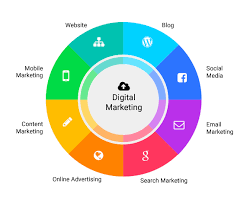
Digital Brand Strategy: Building a Consistent Online Presence
A strong digital brand strategy helps a business present a clear, recognisable identity across its online channels. It brings together the way a brand looks, sounds and behaves, from its website and social media profiles to its emails and digital advertising.
In a crowded online marketplace, simply being visible is not enough. A brand needs to communicate what it stands for, who it serves and why customers should choose it. A considered strategy makes that message more consistent and helps every digital interaction contribute to a coherent customer experience.
What is a digital brand strategy?
A digital brand strategy is a plan for shaping and managing a brand’s presence across digital platforms. It connects business goals with audience needs and sets out how the brand should be represented online.
It may cover:
- Brand positioning: what makes the business distinctive and relevant to its audience.
- Audience understanding: the needs, preferences and behaviours of the people the brand wants to reach.
- Messaging and tone of voice: the language and personality used in communications.
- Visual identity: elements such as the logo, colours, typography and imagery.
- Digital channels: the platforms and formats used to reach and serve customers.
- Measurement: the indicators used to assess whether the strategy is working.
Why does digital brand strategy matter?
Customers may encounter a business through a search result, social post, online review or email before visiting its website. Each interaction shapes their impression of the brand. If the messaging and experience differ significantly between channels, the business can appear confusing or unreliable.
A clear strategy helps create consistency without making every communication identical. It gives teams shared principles to work from, supports recognition over time and helps ensure that marketing activity reflects the brand’s purpose and priorities.
How to develop a digital brand strategy
Set clear objectives
Begin by identifying what the strategy needs to achieve. Objectives might include improving brand awareness, attracting a particular customer group, strengthening customer loyalty or supporting the launch of a new service.
Make objectives specific enough to guide decisions. “Improve online presence” is broad; “increase qualified visits to the product pages” is more actionable. The right measures will depend on the goal.
Understand the audience
Build a practical picture of the people the brand aims to serve. Consider their needs, questions, motivations and barriers to purchase. Website analytics, customer feedback, sales conversations and market research can all provide useful evidence.
Avoid relying on assumptions alone. Audience insights should help determine which information to communicate, which channels to prioritise and what kind of experience will be most useful.
Define the brand’s position
Clarify the value the business offers and how it differs from alternatives. A useful positioning statement should identify the intended audience, the need being addressed and the reason the brand is a credible choice.
Positioning is not just a slogan. It should influence the products or services offered, the claims made and the way customers are treated.
Establish a consistent identity
Set guidelines for visual presentation and verbal communication. These might include approved logo use, colour palettes, typography, photography styles, writing principles and examples of suitable language.
Consistency makes a brand easier to recognise, but it should not come at the expense of clarity. Content should be adapted to the channel and situation while retaining the same underlying personality and values.
Choose the right digital channels
It is rarely necessary to be active on every platform. Choose channels based on audience behaviour, business objectives and the resources available to maintain them well.
For one organisation, a useful website and a strong search presence may be central. Another may gain more from professional networks, online communities or email. Channel choices should be reviewed as audience habits and business needs change.
Plan useful, relevant content
Content should help audiences make decisions, solve problems or understand the brand’s offer. A content plan can map topics to customer needs and to different stages of the customer journey.
Prioritise accuracy, usefulness and a recognisable voice. Publishing frequently is not a substitute for publishing with purpose.
Measure and refine
Choose measures that relate to the strategy’s objectives. Depending on the goal, these could include branded search activity, engagement, website enquiries, repeat visits, customer retention or conversion rates.
Use the results to learn what is working and where adjustments may be needed. Digital brand strategy is an ongoing process, not a one-off document.
Common mistakes to avoid
- Following trends without a clear purpose: a popular format may not suit the audience or the brand.
- Trying to reach everyone: broad messaging can make it harder for the right customers to recognise the offer.
- Focusing only on visual design: identity also includes language, service and the overall customer experience.
- Making claims the business cannot support: credibility depends on honest, substantiated communication.
- Ignoring the website experience: slow, confusing or inaccessible pages can undermine otherwise effective marketing.
- Failing to review performance: without measurement, it is difficult to know whether activity is contributing to business goals.
Conclusion
Digital brand strategy gives a business a clear framework for communicating and behaving online. By understanding its audience, defining a distinctive position, maintaining a consistent identity and choosing suitable channels, a brand can create a more coherent and useful digital experience.
The strongest strategies remain flexible. Regularly reviewing customer needs, channel performance and business priorities helps ensure the brand stays relevant while retaining a clear sense of purpose.
Six Essential Tips for Crafting an Effective Digital Brand Strategy
- Define a clear digital brand purpose.
- Keep your tone consistent across channels.
- Know where your audience spends time online.
- Create useful, distinctive content.
- Use visual assets consistently.
- Track results and refine your strategy.
Define a clear digital brand purpose.
Define a clear digital brand purpose by identifying why your brand exists beyond selling products or services, what value it aims to create and who it wants to serve. A well-articulated purpose gives your digital communications direction, helping you make consistent choices about messaging, content and channels. Keep it meaningful, credible and relevant to your audience, and make sure it is reflected in the experiences customers have across your website, social media and other online touchpoints.
Keep your tone consistent across channels.
Keep your tone of voice consistent across channels so your brand feels familiar wherever people encounter it. Whether you’re writing a website page, social media post or email, use language that reflects your brand’s personality and values. You can adapt the format and level of detail to suit each platform, but the underlying voice should remain recognisable. Clear tone-of-voice guidelines can help everyone creating content communicate consistently.
Know where your audience spends time online.
Knowing where your audience spends time online helps you focus your digital brand strategy on the channels most likely to reach them. Research the platforms, websites and online communities they use, and consider how they prefer to engage with brands. Rather than trying to be everywhere, prioritise the channels where you can offer relevant, useful content and maintain a consistent presence.
Create useful, distinctive content.
Create content that genuinely helps your audience answer questions, solve problems or make informed decisions. To make it distinctive, draw on your brand’s expertise, point of view and real experience rather than repeating what everyone else is saying. Useful, original content gives people a reason to remember your brand, builds trust and helps your digital presence stand out.
Use visual assets consistently.
Use visual assets consistently across your website, social media, emails and advertising to make your brand easier to recognise and trust. Apply your logo, colours, typography, photography style and graphic elements in a coordinated way, while adapting each design to suit its platform. Clear brand guidelines can help everyone creating content use these assets correctly, keeping your online presence cohesive without making it feel repetitive.
Track results and refine your strategy.
Track the results of your digital brand activity to understand what is working and where improvements are needed. Choose measures that support your objectives, such as website visits, engagement, enquiries or customer retention, and review them regularly. Use these insights, alongside customer feedback, to refine your messaging, content and choice of channels. A digital brand strategy should evolve over time, guided by evidence and changing audience needs.