The Power of Integrated Internet Marketing
In today’s digital landscape, businesses are constantly looking for ways to stand out and reach their target audience effectively. Integrated internet marketing has emerged as a powerful strategy that combines various online marketing channels to create a cohesive and impactful campaign.
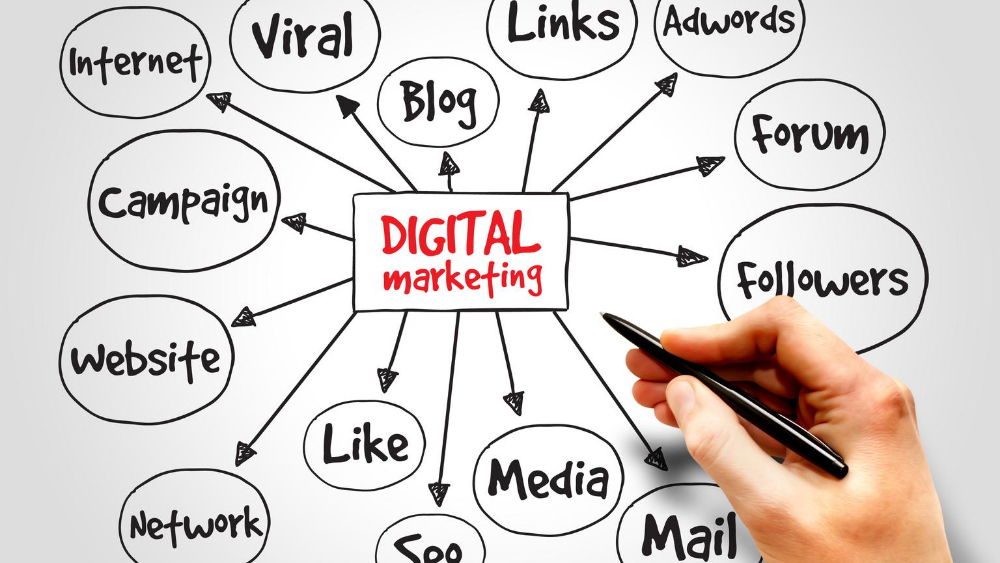
Integrated internet marketing involves synchronising different online marketing techniques such as search engine optimisation (SEO), social media marketing, email marketing, content marketing, and pay-per-click (PPC) advertising. By integrating these channels, businesses can create a seamless experience for their audience and maximise their online presence.
Benefits of Integrated Internet Marketing:
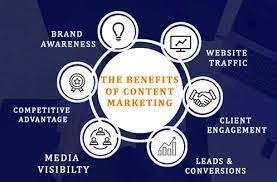
- Consistent Branding: By aligning messaging and visuals across various channels, integrated internet marketing helps reinforce brand identity and build brand recognition.
- Increased Reach: Utilising multiple channels allows businesses to reach a wider audience and engage with potential customers at different touchpoints.
- Better Data Insights: Integrating data from different sources provides a comprehensive view of campaign performance, enabling businesses to make informed decisions and optimise their strategies.
- Improved Conversion Rates: A cohesive marketing approach can lead to higher conversion rates as customers receive consistent messaging throughout their journey.
Key Strategies for Integrated Internet Marketing Success:
- Cross-Channel Coordination: Ensure that your messaging is consistent across all platforms to create a unified brand experience for your audience.
- Data Integration: Use analytics tools to gather data from different channels and gain insights into customer behaviour and preferences.
- Content Synergy: Create content that can be repurposed across various channels to maintain a cohesive brand voice and maximise reach.
- Ongoing Evaluation: Continuously monitor the performance of your integrated campaigns and make adjustments based on data analysis to improve results over time.
In conclusion, integrated internet marketing offers businesses a strategic approach to maximise their online presence and connect with their target audience more effectively. By combining the strengths of multiple digital channels, businesses can create a unified brand experience that drives engagement, conversions, and ultimately, business growth.
Understanding Integrated Internet Marketing: Key Questions and Insights for Businesses
- What is integrated internet marketing?
- Why is integrated internet marketing important for businesses?
- How does integrated internet marketing differ from traditional marketing?
- What are the key components of integrated internet marketing?
- How can businesses integrate various online marketing channels effectively?
- What are the benefits of implementing an integrated internet marketing strategy?
- How can data analytics be used in integrated internet marketing?
- Are there any successful case studies of companies using integrated internet marketing effectively?
- What are some common challenges faced when implementing integrated internet marketing?
What is integrated internet marketing?
Integrated internet marketing refers to a strategic approach that combines various online marketing channels, such as SEO, social media, email marketing, content marketing, and PPC advertising, into a cohesive and unified campaign. By integrating these channels, businesses can create a seamless and consistent brand experience for their audience across different online platforms. This holistic approach allows businesses to maximise their online presence, reach a wider audience, gather valuable data insights, and ultimately improve their conversion rates. Integrated internet marketing is about aligning messaging, visuals, and strategies across multiple channels to create a comprehensive and effective digital marketing strategy that drives engagement and business growth.
Why is integrated internet marketing important for businesses?
Integrated internet marketing is crucial for businesses because it allows them to create a unified and consistent brand experience across various online channels. By combining different digital marketing strategies such as SEO, social media, email marketing, and content marketing, businesses can reach a wider audience, increase brand visibility, and engage with customers at multiple touchpoints. This cohesive approach not only reinforces brand identity but also helps businesses gather valuable insights from integrated data sources to make informed decisions and optimise their marketing efforts for better results. Ultimately, integrated internet marketing enables businesses to enhance their online presence, improve customer engagement, and drive conversions effectively in today’s competitive digital landscape.
How does integrated internet marketing differ from traditional marketing?
Integrated internet marketing differs from traditional marketing in several key ways. Unlike traditional marketing, which often relies on offline channels such as print, television, and radio, integrated internet marketing leverages various online channels like social media, email, SEO, and PPC advertising to reach a wider audience in a more targeted and measurable way. Additionally, integrated internet marketing allows for real-time data analysis and tracking of campaign performance, enabling businesses to make informed decisions and adjust their strategies on the fly for optimal results. By combining different digital channels seamlessly, integrated internet marketing creates a cohesive brand experience that engages customers across multiple touchpoints and drives higher levels of interaction and conversion.
What are the key components of integrated internet marketing?
One of the frequently asked questions about integrated internet marketing is, “What are the key components of integrated internet marketing?” Integrated internet marketing comprises several essential components that work together to create a cohesive and effective online marketing strategy. These key components typically include search engine optimisation (SEO), social media marketing, email marketing, content marketing, and pay-per-click (PPC) advertising. By integrating these various channels, businesses can ensure consistent branding, reach a wider audience, gather valuable data insights, improve conversion rates, and ultimately enhance their overall online presence and performance.
How can businesses integrate various online marketing channels effectively?
To effectively integrate various online marketing channels, businesses should start by defining clear objectives and target audience segments. Understanding the goals of the integrated marketing campaign and identifying the key demographics will help in selecting the most suitable channels for reaching and engaging with the target audience. Businesses should then create a cohesive messaging strategy that aligns across all channels to maintain brand consistency and enhance brand recognition. Utilising data analytics tools to track performance metrics across different channels is crucial for evaluating the effectiveness of each channel and making informed decisions on optimising the overall campaign. Regular monitoring, testing, and refining of strategies based on data insights will enable businesses to fine-tune their integrated internet marketing approach for maximum impact and success.
What are the benefits of implementing an integrated internet marketing strategy?
Implementing an integrated internet marketing strategy offers a multitude of benefits for businesses looking to enhance their online presence and reach their target audience effectively. By combining various digital marketing channels such as SEO, social media, email marketing, content marketing, and PPC advertising into a cohesive strategy, businesses can achieve consistent branding, increased reach, better data insights, and improved conversion rates. This approach not only strengthens brand identity but also enables businesses to engage with a wider audience at multiple touchpoints, leading to higher engagement and conversion rates. Additionally, the integration of data from different sources allows businesses to gain valuable insights into customer behaviour and preferences, enabling them to make informed decisions and optimise their marketing strategies for maximum impact.
How can data analytics be used in integrated internet marketing?
Data analytics plays a crucial role in integrated internet marketing by providing valuable insights that drive strategic decision-making and campaign optimisation. By leveraging data analytics tools, businesses can track and measure the performance of their marketing efforts across various online channels, allowing them to understand customer behaviour, preferences, and engagement patterns. This data can then be used to segment audiences, personalise messaging, and tailor marketing strategies to effectively reach target customers. Additionally, data analytics enables businesses to identify trends, evaluate the success of different marketing tactics, and allocate resources more efficiently for maximum impact. Overall, data analytics empowers businesses to continuously refine their integrated internet marketing campaigns for better results and ROI.
Are there any successful case studies of companies using integrated internet marketing effectively?
Many successful case studies showcase the effectiveness of companies utilising integrated internet marketing strategies. These examples highlight how businesses have seamlessly integrated various online marketing channels to create cohesive campaigns that drive results. From aligning branding and messaging across multiple platforms to leveraging data insights for targeted campaigns, these case studies demonstrate the power of integrated internet marketing in increasing reach, improving conversion rates, and ultimately achieving business growth. By studying these success stories, businesses can gain valuable insights and inspiration to enhance their own digital marketing efforts and maximise their online presence.
What are some common challenges faced when implementing integrated internet marketing?
When implementing integrated internet marketing, businesses often face several common challenges that can hinder the success of their campaigns. One key challenge is ensuring seamless coordination across various marketing channels to maintain consistent branding and messaging. Another hurdle is the integration of data from different sources to gain a comprehensive understanding of campaign performance and customer behaviour. Additionally, creating and repurposing content that resonates across multiple platforms while maintaining a cohesive brand voice can be a significant challenge. Ongoing evaluation and adjustment based on data analysis are also crucial but can be time-consuming and resource-intensive for businesses. Overcoming these challenges requires careful planning, effective communication, and a willingness to adapt strategies based on real-time insights to achieve the full potential of integrated internet marketing campaigns.