Best Online Ads: A Practical Guide to Choosing the Right Format
The best online ads are not necessarily the ones with the biggest budgets or the most eye-catching designs. They are the ads that reach the right people, communicate a clear benefit and make it easy for potential customers to take the next step.
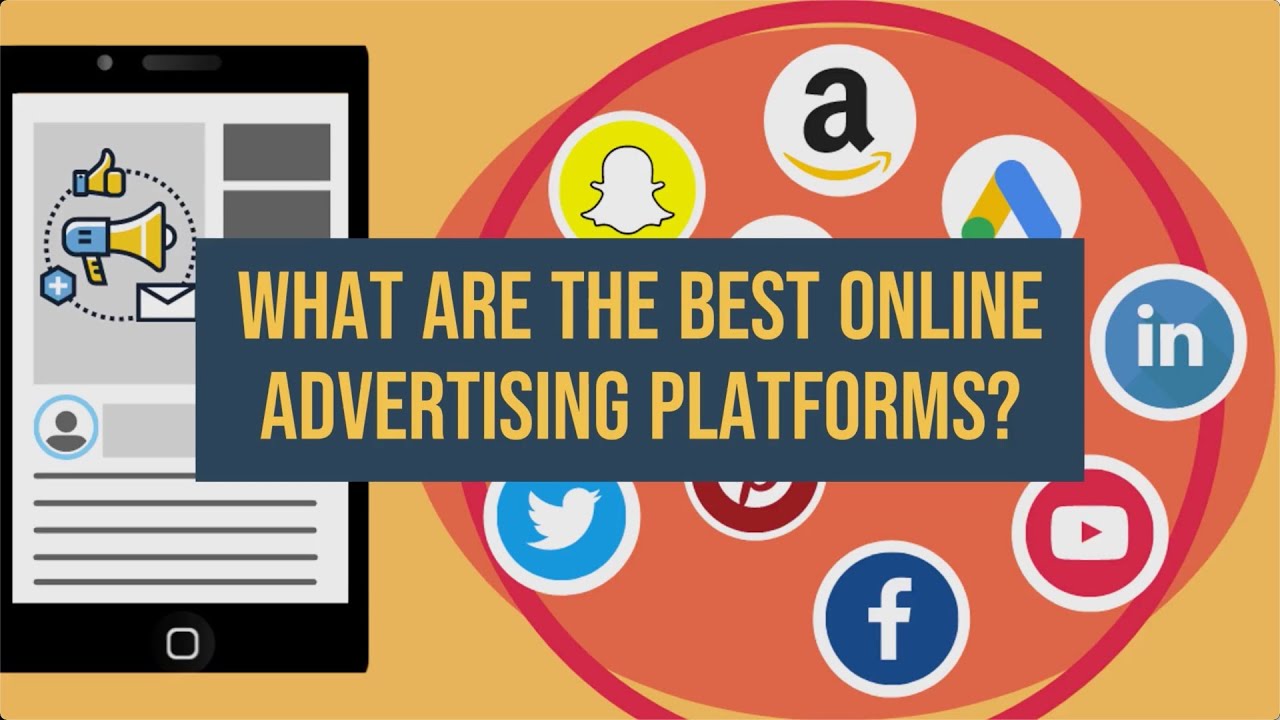
From search advertising to social media campaigns, businesses have plenty of ways to promote products and services online. The right choice depends on your audience, objectives and budget. This guide explains the main types of online advertising and how to choose an approach that works for your business.
What makes an online ad effective?
Effective online advertising starts with a clear goal. You might want to increase website visits, generate enquiries, build brand awareness or make sales. Once you know what success looks like, it is easier to choose suitable platforms and measure results.
Strong ads also tend to share a few key features:
- A defined audience: Know who you want to reach and what matters to them.
- A clear message: Explain the benefit of your offer in straightforward language.
- A relevant destination: Send people to a page that matches the promise made in the ad.
- A specific call to action: Tell people what to do next, such as “Shop now” or “Request a quote”.
- Ongoing measurement: Track meaningful results and improve campaigns over time.
Popular types of online ads
Search ads
Search ads appear when people look for particular products, services or information. They can be useful for reaching people who are already showing interest in what you offer. For example, a local business may advertise against searches related to its services and location.
Search campaigns work best when keywords, ad copy and landing pages closely match the searcher’s needs. Keep an eye on irrelevant search terms, as they can use up budget without bringing useful visitors.
Social media ads
Social media advertising lets businesses reach audiences based on factors such as interests, location and online behaviour, depending on the platform and its available settings. Formats may include image ads, short videos, stories and sponsored posts.
These ads can help introduce a brand to new audiences or encourage people who have already engaged with a business to take another step. Creative content should suit the platform and feel relevant to the people seeing it.
Display ads
Display ads use images, graphics or animations and appear across websites and apps. They can help build awareness and remind people about a product or service. Because audiences may not be actively looking to buy when they see a display ad, simple messaging and recognisable branding are particularly important.
Video ads
Video can demonstrate how a product works, tell a brand story or explain a service. Short, focused videos often work well for online campaigns, especially when the main message is clear even without sound. Include captions where possible and make the opening moments engaging.
Email and solo ads
Email advertising can be a direct way to share an offer or useful content with subscribers who have agreed to receive marketing messages. Solo ads involve a promotional email being sent to another publisher’s audience, usually on behalf of an advertiser. Their effectiveness depends on the relevance and quality of the list, the offer and the landing page.
Before using any email advertising service, ask how its subscribers were acquired and whether they have given appropriate consent to receive marketing. A large audience is not automatically a valuable one: relevance and trust matter more than list size alone.
How to choose the best online ads for your business
Consider these questions before committing your budget:
- Who are you trying to reach? Choose channels your potential customers use and tailor your message to their needs.
- What do you want them to do? A campaign focused on sales may need a different format from one designed to build awareness.
- Where will the ad send people? Make sure the landing page is useful, mobile-friendly and consistent with the ad.
- How will you measure success? Decide which metrics matter, such as qualified enquiries, purchases or cost per conversion.
- Can you test before scaling? Start with a manageable budget, compare variations and invest more in the approaches that meet your objectives.
Tips for improving campaign performance
- Write headlines that make the offer immediately understandable.
- Use accurate claims and avoid promising results you cannot support.
- Test one major change at a time, such as the image, audience or call to action.
- Check that your website loads quickly and works well on mobile devices.
- Exclude audiences or search terms that are clearly not relevant.
- Review performance regularly, but allow enough time and data to make informed decisions.
Keep advertising responsible
Online advertising should be honest, clear and respectful of people’s privacy. Businesses advertising to people in the UK should consider applicable data protection and electronic marketing rules, as well as relevant advertising standards. Requirements can vary depending on the type of campaign and how personal data is used, so seek appropriate guidance when needed.
Finding the right approach
There is no single best online ad for every business. Search ads may suit people actively looking for a solution, while social, display and video campaigns can help build awareness. Email advertising may be appropriate when it reaches a genuinely relevant audience with the required permissions.
Start with a clear objective, choose a channel that fits your audience and test your campaign carefully. By focusing on relevance, transparency and measurable outcomes, you can make better use of your advertising budget and build a stronger online presence.
Maximising Impact: The Top 6 Advantages of Online Advertising
- Reach targeted audiences
- Increase brand awareness
- Drive website traffic
- Generate leads and sales
- Measure campaign performance
- Scale budgets flexibly
Seven Drawbacks of Online Advertising: Challenges and Considerations
- Can be expensive in competitive markets.
- Results may take time to build.
- Ad blockers can limit visibility.
- Poor targeting can waste budget.
- Audiences may ignore repetitive ads.
- Privacy rules can restrict targeting.
- Clicks do not guarantee sales.
Reach targeted audiences
One of the key advantages of online ads is the ability to reach targeted audiences. Businesses can tailor campaigns to people based on factors such as location, interests and the content they are searching for, helping their message reach those most likely to find it relevant. This can make advertising spend more efficient and increase the chances of attracting meaningful engagement.
Increase brand awareness
Online ads can increase brand awareness by introducing your business to relevant audiences across search engines, websites, social media and email. Consistent messaging and recognisable visuals help people remember your brand, even if they are not ready to buy straight away. Over time, repeated exposure can build familiarity and trust, making potential customers more likely to consider your business when they need the products or services you offer.
Drive website traffic
One of the key benefits of online advertising is its ability to drive targeted traffic to your website. By reaching people who are already interested in your products, services or expertise, well-planned ads can encourage more relevant visitors to explore your pages. Clear messaging and a strong call to action can guide them to useful content, product details or contact forms, helping turn clicks into meaningful engagement and potential customers.
Generate leads and sales
One of the biggest advantages of effective online advertising is its ability to generate leads and sales. By targeting people who are likely to be interested in your products or services, online ads can guide potential customers to your website, encourage enquiries and prompt purchases. Clear messaging, a relevant offer and a straightforward call to action make it easier for people to take the next step, while campaign data helps businesses identify what is working and refine their approach.
Measure campaign performance
One of the key advantages of online ads is the ability to measure campaign performance. Businesses can track metrics such as clicks, website visits, enquiries and sales to see how people respond to their ads. This makes it easier to identify what is working, adjust underperforming campaigns and make more informed decisions about where to spend the advertising budget.
Scale budgets flexibly
One of the key advantages of online advertising is the flexibility to scale your budget. You can start with a modest spend, assess how well your ads perform and increase investment in the campaigns that deliver the best results. If your priorities change or performance dips, you can adjust your budget or pause an advert quickly, helping you stay in control of your spending.
Can be expensive in competitive markets.
One potential drawback of online advertising is that it can be expensive in highly competitive markets. When many businesses target the same keywords or audiences, ad prices may rise, making it harder to attract customers within budget. Careful targeting, regular performance checks and testing different approaches can help control costs, but businesses should still plan for competition when setting their advertising budget.
Results may take time to build.
One drawback of online ads is that results may take time to build. New campaigns often need a period of testing and refinement before they reach the right audience and deliver consistent outcomes. Businesses may need to adjust their targeting, messaging or budget and gather enough performance data before they can judge what is working, so online advertising is not always a quick route to success.
Ad blockers can limit visibility.
One drawback of online advertising is that ad blockers can limit visibility. Some people use them to reduce interruptions or protect their privacy, which means display ads and other promotional content may not appear at all. As a result, campaigns can reach fewer people than expected, so businesses should avoid relying on a single advertising format and consider channels that provide value to their audience.
Poor targeting can waste budget.
Poor targeting can quickly waste an online advertising budget. When ads are shown to people who are unlikely to be interested, businesses may pay for clicks or impressions that rarely lead to enquiries or sales. Defining the target audience carefully, choosing relevant keywords and reviewing campaign data regularly can help reduce wasted spend and improve results.
Audiences may ignore repetitive ads.
One drawback of online advertising is that audiences may start to ignore ads they see too often. Repetitive messages or familiar visuals can cause people to tune out, reducing engagement and making a campaign less effective. Refreshing creative, varying the message and managing how frequently ads appear can help keep them relevant and interesting.
Privacy rules can restrict targeting.
Privacy rules can restrict how online ads are targeted. Requirements around consent, personal data and tracking may limit the information advertisers can use to identify and reach specific audiences. This can make campaigns less personalised and harder to measure, while also requiring businesses to review their data practices and ensure their advertising complies with applicable rules.
Clicks do not guarantee sales.
A click on an online ad does not guarantee a sale. Someone may visit your website out of curiosity, leave without making a purchase or discover that the offer is not right for them. If a campaign attracts lots of clicks but few conversions, businesses can end up spending money without seeing a worthwhile return. That is why it is important to look beyond click numbers and track meaningful results, such as enquiries, purchases and the cost of acquiring each customer.