
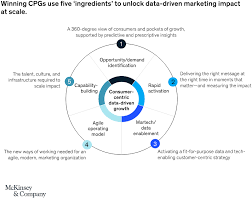
McKinsey Digital Marketing: Strategy, Technology and Customer Experience
“McKinsey digital marketing” can refer to the ideas and research associated with McKinsey & Company’s work on digital business, marketing and customer experience. McKinsey Digital is the firm’s technology and digital transformation practice; it is not simply a traditional advertising agency. Its perspective generally treats marketing as part of a wider business system—one connected to customer data, technology, operations and commercial performance.
For organisations looking to improve their digital marketing, this broader view offers a useful starting point. Successful marketing is not only about publishing content or buying advertising. It also depends on understanding customers, choosing the right channels, using data responsibly and measuring whether activity contributes to business goals.
What does digital marketing mean in a McKinsey context?
Digital marketing includes the activities businesses use to reach and serve customers through digital channels. These may include search engines, websites, email, social media, online video, mobile apps and paid media. A strategy informed by McKinsey’s digital transformation perspective is likely to look beyond individual campaigns and consider how these channels work together across the customer journey.
That journey might begin with a customer discovering a brand through search, continue with research on its website, and end with a purchase or conversation with a sales team. The experience after the purchase matters too: support, follow-up communications and relevant offers can influence customer loyalty and future recommendations.
Key principles for stronger digital marketing
Start with the customer
Effective digital marketing begins with a clear understanding of customer needs and behaviour. Businesses can use research, customer feedback and appropriately collected data to identify what people are trying to achieve, where they encounter difficulties and which information helps them make decisions.
Customer insight should inform the whole experience, not just the advertising message. A campaign may attract attention, but a confusing website or slow response from customer support can undermine its impact.
Connect marketing to business outcomes
Marketing measures such as impressions, clicks and engagement can help teams understand campaign activity, but they do not always show whether that activity is creating business value. Organisations should connect their reporting to relevant outcomes, such as qualified enquiries, completed purchases, repeat business or customer retention.
The right measures depend on the organisation’s objectives and the length of its sales cycle. A retailer may focus on online sales and repeat purchase rates, while a business-to-business company may track lead quality and progression through its sales pipeline.
Use data and technology thoughtfully
Customer data can help businesses make marketing more relevant, understand performance and improve digital experiences. However, data should be accurate, securely managed and used in line with applicable privacy laws and customer expectations. In the UK, organisations should consider their responsibilities under data protection legislation and rules governing electronic marketing.
Technology can support tasks such as audience analysis, campaign automation and reporting. Yet tools alone do not create an effective strategy. Teams need clear objectives, suitable processes and the skills to interpret the information those tools provide.
Build a consistent experience across channels
Customers may interact with a business across several channels before making a decision. A joined-up approach helps ensure that the brand’s information, tone and service are consistent across its website, email, social media, paid campaigns and customer support.
Consistency does not mean sending the same message everywhere. It means making each channel useful in its own right while ensuring that the overall experience feels coherent.
Test, learn and improve
Digital channels make it possible to test different approaches and learn from results. Teams can compare versions of a landing page, assess alternative messages or evaluate changes to the customer journey. Testing should be based on a clear question and reliable measurement, rather than on short-term fluctuations alone.
Over time, this process can help organisations understand what works for different audiences and where further improvements are needed.
How businesses can apply these ideas
Businesses do not need a large transformation programme to make progress. A practical approach could begin with the following steps:
- Set a clear objective: Define the business result the marketing activity is intended to support.
- Map the customer journey: Identify the main points where customers discover, evaluate, purchase and receive support.
- Review the evidence: Examine available performance data and customer feedback to find gaps or opportunities.
- Choose a focused improvement: Prioritise one issue, such as a low-converting landing page or an unclear email journey.
- Measure and learn: Agree how success will be assessed, then use the results to guide the next change.
Is McKinsey a digital marketing agency?
McKinsey & Company is primarily a management consulting firm, and McKinsey Digital focuses on digital, analytics and technology-related work. Its role is different from that of a specialist digital marketing agency, which may directly manage activities such as search advertising, social media campaigns, content production or email marketing.
Organisations considering external support should therefore clarify what they need. A consultancy may help shape strategy, operating models or technology transformation, while an agency may be better suited to delivering ongoing campaign execution. Some businesses need one type of support; others may work with both.
Final thoughts
The most useful lesson from the McKinsey digital marketing perspective is that marketing should not sit apart from the rest of the business. It works best when customer understanding, data, technology, creative activity and measurement are connected to a clear commercial purpose.
For any organisation, the starting point is simple: understand the customer, define the outcome, improve the experience and keep learning from the results. The specific channels and tools may change, but these fundamentals remain central to effective digital marketing.
McKinsey Digital Marketing: Your Top 6 Questions Answered
- What is McKinsey Digital, and how does it relate to digital marketing?
- Does McKinsey offer digital marketing services?
- What digital marketing strategies and services does McKinsey provide?
- How does McKinsey use data and analytics to improve digital marketing?
- How much does McKinsey digital marketing consulting cost?
- How can a business work with McKinsey on a digital marketing strategy?
What is McKinsey Digital, and how does it relate to digital marketing?
McKinsey Digital is McKinsey & Company’s practice focused on helping organisations with digital, data and technology-related challenges. It is not simply a digital marketing agency: its work can include wider digital transformation, customer experience, analytics and technology strategy. Its connection to digital marketing lies in helping businesses understand customers, use data and technology effectively, and link marketing activity to broader business goals. Depending on the organisation’s needs, this strategic support may complement the campaign delivery provided by an in-house team or a specialist marketing agency.
Does McKinsey offer digital marketing services?
McKinsey is a management consultancy, not a traditional digital marketing agency. Through McKinsey Digital, it advises organisations on digital strategy, technology, analytics and business transformation—areas that can include improving marketing capabilities and customer experiences. Its work is generally focused on strategy and transformation rather than directly running day-to-day campaigns, such as managing social media, search advertising or email marketing. The services available depend on the organisation’s needs and McKinsey’s engagement scope.
What digital marketing strategies and services does McKinsey provide?
McKinsey is a management consultancy rather than a conventional digital marketing agency, so its work typically focuses on helping organisations shape and transform their marketing rather than running day-to-day campaigns. Through its digital and marketing expertise, it may advise on customer and growth strategy, data and analytics, personalisation, marketing technology, digital customer experiences, channel effectiveness and measurement. The specific services depend on the organisation’s needs and engagement; businesses seeking hands-on campaign execution, such as managing paid search or social media, should confirm whether that is included or consider a specialist agency.
How does McKinsey use data and analytics to improve digital marketing?
McKinsey helps organisations use data and analytics to make digital marketing more targeted, measurable and effective. By analysing customer behaviour and performance across channels, teams can identify audience needs, improve segmentation, personalise communications and see which campaigns contribute to business goals. Testing and measurement can then guide ongoing improvements, while responsible data use and respect for privacy remain essential.
How much does McKinsey digital marketing consulting cost?
The cost of McKinsey digital marketing consulting is not usually published as a standard price list. Fees can vary depending on the scope and duration of the engagement, the expertise required, the size and complexity of the organisation, and the markets involved. For an accurate estimate, a business would need to discuss its objectives and requirements directly with McKinsey. If the budget is limited or the need is focused on campaign delivery, it may also be worth comparing specialist agencies and independent consultants.
How can a business work with McKinsey on a digital marketing strategy?
A business interested in working with McKinsey on a digital marketing strategy can begin by contacting the firm through its official website and outlining its goals, challenges and relevant markets. McKinsey’s digital and marketing specialists may help assess the organisation’s customer experience, data, technology and marketing operations, then develop recommendations aligned with its wider business objectives. The scope and approach depend on the company’s needs, so it is helpful to clarify whether support is required for strategy, transformation or implementation; for hands-on campaign delivery, a specialist marketing agency may also be appropriate.