Online Business Advertising: A Practical Guide to Reaching More Customers
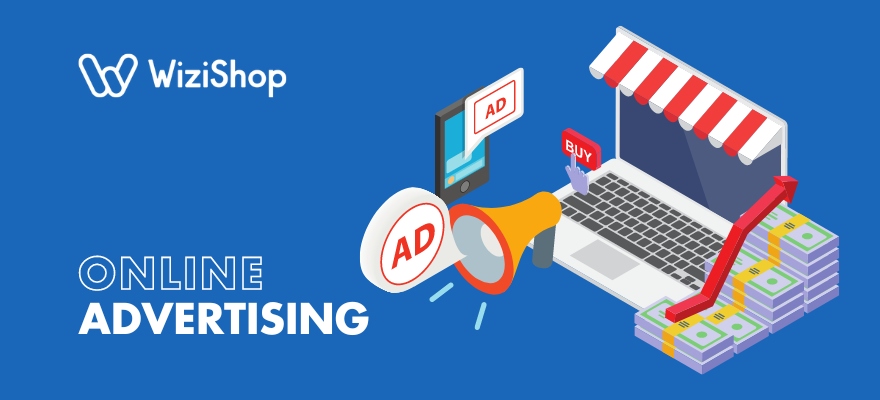
Online business advertising helps companies connect with potential customers through websites, search engines, social media, email and other digital channels. Whether you run a local shop, a growing online store or a service business, a well-planned advertising campaign can increase awareness, attract visitors and support sales.
Why advertise online?
Online advertising gives businesses ways to reach people who are likely to be interested in their products or services. Campaigns can be tailored by factors such as location, search behaviour and interests, depending on the platform. Many channels also provide performance data, making it easier to see which adverts are attracting attention and which need improvement.
Digital advertising can suit a range of budgets. A small business might begin with a modest campaign aimed at a specific area, while a larger company could run several campaigns across different platforms. The important thing is to spend with a clear purpose and review the results regularly.
Common types of online advertising
Search advertising
Search adverts appear when people look for particular products, services or information. They can be useful for reaching customers who are already considering a purchase. Choose relevant search terms and make sure the advert leads to a page that directly answers the customer’s needs.
Social media advertising
Platforms such as Facebook, Instagram, LinkedIn and TikTok offer paid advertising options. The best platform depends on your audience and the nature of your business. Strong images or video, concise copy and a clear call to action can help an advert stand out.
Display and video advertising
Display adverts, such as banners, and online video adverts can help build awareness across websites and digital platforms. They are often most effective when the message is easy to understand and the creative is designed for the placement where it will appear.
Email marketing
Email can help businesses stay in touch with people who have chosen to receive updates. Useful newsletters, product announcements and special offers can support customer relationships. Always follow applicable data protection and electronic marketing rules, and make it straightforward for recipients to unsubscribe.
Build a campaign around a clear goal
Before placing an advert, decide what you want it to achieve. Your goal might be to increase website visits, generate enquiries, sell a particular product or introduce your brand to a new audience. A clear objective helps you choose the right channel and assess whether the campaign is working.
Make the advert specific and relevant. Explain what you offer, why it may be useful and what the reader should do next. The landing page should match the promise of the advert, load reliably on mobile devices and make the next step easy to complete.
Set a sensible budget and measure results
Start with a budget your business can afford, then review performance before increasing spend. Useful measures may include clicks, enquiries, purchases and the cost of acquiring a customer. The right measures depend on your campaign goal: a campaign designed to build awareness may need different measures from one intended to generate immediate sales.
Use tracking tools where appropriate, and check that the information they provide is accurate and handled responsibly. Compare different messages, images or audiences one change at a time. This makes it easier to understand what is contributing to the results.
Common mistakes to avoid
-
Advertising without a clear objective or defined audience.
-
Sending visitors to a slow, confusing or irrelevant landing page.
-
Focusing on clicks alone rather than meaningful outcomes such as sales or enquiries.
-
Spending too much before testing the campaign and reviewing its performance.
-
Using claims, images or customer data without checking that they are accurate and permitted.
Make online advertising an ongoing process
Successful online advertising is rarely a matter of setting up one advert and leaving it unchanged. Customer needs, competition and platform features can shift over time. Review campaigns regularly, learn from the data and make considered adjustments.
By choosing suitable channels, setting clear goals and delivering a consistent customer experience, businesses can make online advertising a practical part of their wider marketing strategy.
Top 9 Frequently Asked Questions About Online Business Advertising in the UK
- What is online business advertising?
- Which online advertising platforms are best for small businesses?
- How much does online business advertising cost?
- How can I choose the right audience for my online adverts?
- How do I measure whether an online advertising campaign is successful?
- What is the difference between paid search advertising and social media advertising?
- How can I improve the performance of my online adverts?
- Do I need a website to advertise my business online?
- What legal and privacy rules apply to online business advertising in the UK?
What is online business advertising?
Online business advertising is the promotion of a company’s products or services through digital channels, such as search engines, websites, social media, email and online video. It helps businesses reach potential customers, build awareness and encourage actions such as visiting a website, making an enquiry or completing a purchase. Campaigns can be tailored to specific audiences and measured to see how well they perform.
Which online advertising platforms are best for small businesses?
The best online advertising platform for a small business depends on its audience, goals and budget. Google Ads can work well for reaching people actively searching for a product or service, while Facebook and Instagram are useful for visual promotions and local audience targeting. LinkedIn may suit business-to-business companies, and TikTok can help brands reach audiences through short-form video. Start with the platform your customers use, set a manageable budget and track enquiries or sales to see what delivers the best results.
How much does online business advertising cost?
The cost of online business advertising varies depending on the platform, your target audience, the level of competition and your campaign goals. Some channels let you start with a small daily budget, while highly competitive keywords or audiences can cost more. Set a budget you can afford, test your adverts on a modest scale and track results such as enquiries or sales—not just clicks. This helps you understand what’s working before deciding whether to increase your spend.
How can I choose the right audience for my online adverts?
To choose the right audience for your online adverts, start by identifying who is most likely to need your product or service. Consider factors such as location, age range, interests, search behaviour and the problems your offer solves, using customer feedback and website or sales data where available. You can then tailor your targeting and advert message to suit that group, while avoiding assumptions or overly narrow settings that may exclude potential customers. Test different audience segments with a modest budget, measure meaningful results such as enquiries or sales, and refine your campaign based on what performs best.
How do I measure whether an online advertising campaign is successful?
Measure success against the campaign’s original goal, such as increasing sales, generating enquiries or building brand awareness. Track relevant metrics, including conversions, click-through rate, cost per lead or sale, and return on advertising spend, using analytics and conversion-tracking tools where appropriate. Compare results with your targets and previous campaigns, and allow enough time and data to identify meaningful patterns. If the campaign is not meeting its objectives, test changes to the audience, advert or landing page, then review the results again.
What is the difference between paid search advertising and social media advertising?
Paid search advertising places your business in search engine results when people look for specific products, services or information, so it can reach users who are already showing intent. Social media advertising appears on platforms such as Facebook, Instagram or LinkedIn, where targeting is often based on users’ interests, demographics and behaviour. In short, paid search can help capture existing demand, while social media can build awareness and introduce your business to potential customers who may not be searching for it yet.
How can I improve the performance of my online adverts?
To improve the performance of your online adverts, start by defining a clear goal and targeting the people most likely to be interested in your offer. Make sure your advert has a compelling message, engaging visuals and a clear call to action, then direct visitors to a relevant, mobile-friendly landing page. Track meaningful results, such as enquiries or sales, rather than clicks alone, and test different headlines, images and audience settings to see what works best. Review your campaigns regularly and adjust your budget towards the adverts delivering the strongest results.
Do I need a website to advertise my business online?
No, you don’t necessarily need a website to advertise your business online. You can promote your products or services through social media pages, online directories, marketplace listings or advertising platforms that let customers contact you directly. However, a website gives you greater control over your brand and provides a central place for customers to learn about your business, compare options and take the next step. If you advertise without one, make sure your chosen profile or listing is complete, up to date and makes it easy for potential customers to get in touch or buy from you.
What legal and privacy rules apply to online business advertising in the UK?
In the UK, online adverts must be truthful, clear and not misleading, and should follow the CAP Code, which is enforced by the Advertising Standards Authority (ASA); paid promotions and influencer content must be clearly identified as advertising. Consumer-facing marketing must also comply with consumer protection law, including rules on unfair commercial practices, pricing and substantiating claims. When collecting or using personal data for advertising, businesses must follow the UK GDPR and Data Protection Act 2018, including providing clear privacy information and having a lawful basis. PECR also applies to cookies and electronic marketing: non-essential advertising cookies generally require consent, while marketing emails and texts usually require consent or the limited “soft opt-in” for existing customers, with an easy way to opt out. Sector-specific rules may apply too, so check the requirements relevant to your products and audience.