Digital Marketing Lead Generation Companies: What They Do and How to Choose One
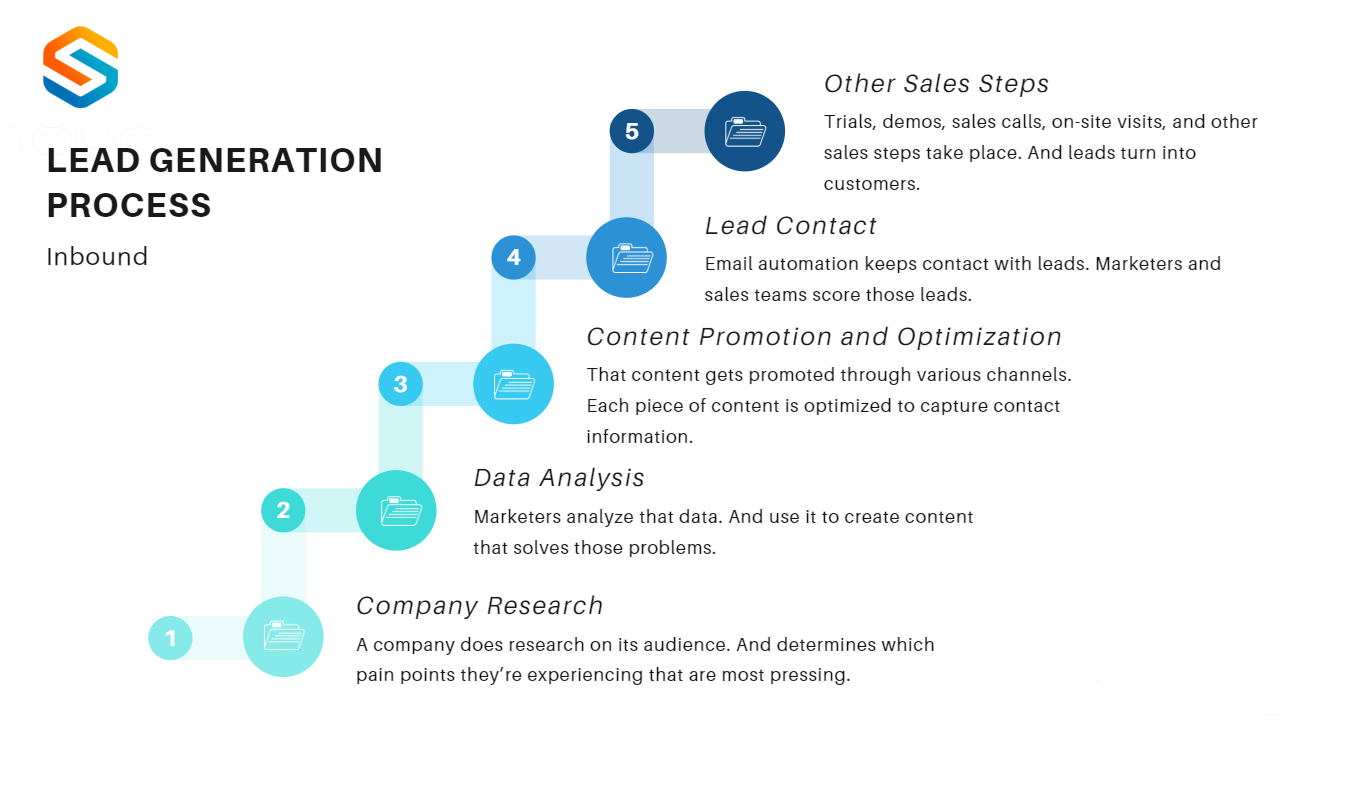
Finding potential customers is one of the biggest challenges for businesses operating online. Digital marketing lead generation companies help organisations attract, identify and engage people who may be interested in their products or services. They can support a company’s in-house marketing team or manage parts of the lead generation process from strategy through to campaign delivery.
Choosing the right provider takes more than comparing prices. Businesses need to understand what services are on offer, how leads are sourced and whether the provider’s approach suits their sales process. This guide explains what lead generation companies do and what to consider before working with one.
What is a digital marketing lead generation company?
A digital marketing lead generation company uses online channels and marketing techniques to help businesses find prospective customers. Depending on the provider, its work may include attracting visitors, collecting contact details, assessing a prospect’s level of interest and passing suitable leads to a sales team.
Lead generation can be used in business-to-business (B2B) and business-to-consumer (B2C) marketing. A B2B provider might help a software company reach decision-makers at other organisations, while a B2C campaign could generate enquiries from individuals interested in a particular service.
Services these companies may offer
Services vary between providers, but commonly include:
- Paid advertising: Campaigns on search engines, social media and other digital platforms, designed to encourage a specific action such as completing an enquiry form.
- Search engine optimisation (SEO): Improving a website’s visibility in organic search results to attract people looking for relevant products or services.
- Content marketing: Creating useful articles, guides, webinars and other resources that attract and educate prospective customers.
- Email marketing: Sending relevant, permission-based communications to nurture prospects and encourage them to take the next step.
- Landing pages and conversion optimisation: Designing and testing web pages and forms to make it easier for visitors to enquire or sign up.
- Lead qualification: Assessing enquiries against agreed criteria, such as business needs, budget, location or readiness to buy.
- Analytics and reporting: Tracking campaign activity and outcomes, including lead volume, cost and progression through the sales pipeline.
Why businesses use lead generation companies
Some businesses work with an external provider because they lack the time, specialist knowledge or internal resources to manage campaigns themselves. An experienced company may bring expertise in particular channels, access to marketing technology and established processes for testing and improving campaigns.
External support can also help a business reach a new audience or manage activity across several channels. However, working with an agency does not guarantee sales. Results depend on factors such as the quality of the offer, the target market, campaign execution and how effectively the business follows up with enquiries.
How to choose the right provider
Set clear objectives
Before approaching companies, decide what the campaign needs to achieve. Is the priority to increase enquiries, book sales meetings, grow a subscriber list or generate qualified opportunities? Clear objectives make it easier to compare proposals and judge performance.
Ask how leads are generated
Find out which channels a provider intends to use and how prospects will be reached. Ask whether leads are generated specifically for your business or supplied from a shared database. The source and context of a lead can affect its relevance, exclusivity and readiness to engage.
Agree what counts as a qualified lead
The phrase “qualified lead” can mean different things to different companies. Agree on the information a lead must provide and the criteria it must meet. For example, a business might require a lead to match a particular industry, location or job role before it is passed to sales.
Check data protection practices
Lead generation often involves collecting and using personal information. Ask how the provider obtains, stores and shares data, and how it handles consent and marketing preferences. Businesses should understand their own responsibilities under applicable data protection and electronic marketing rules, and should seek appropriate advice where needed.
Look beyond the number of leads
A large volume of leads is not necessarily a sign of success if few are relevant or progress to a sale. Ask how the provider reports on lead quality and whether it can connect campaign activity to outcomes such as appointments, opportunities and revenue.
Understand pricing and contract terms
Providers may charge a fixed monthly fee, a project fee, a fee based on campaign spend or a performance-related amount. Make sure the proposal explains what is included, who owns campaign assets and data, how reporting works and what happens if either party wants to end the agreement.
Metrics worth tracking
The most useful measurements depend on the campaign and sales cycle. Common metrics include:
- Cost per lead: The amount spent to generate each lead.
- Lead-to-opportunity rate: The proportion of leads that become genuine sales opportunities.
- Conversion rate: The proportion of visitors or prospects who complete the desired action.
- Cost per acquisition: The cost of gaining a customer, where this can be reliably attributed.
- Lead response time: How quickly the sales team follows up with new enquiries.
- Return on investment: The value generated compared with the cost of marketing activity.
Metrics should be reviewed in context. For example, a longer sales cycle may mean that campaign value is not immediately visible, while a low cost per lead may still be poor value if the leads do not match the target audience.
Make lead generation a shared effort
The strongest results often come when the provider and the client work closely together. The marketing team can share insights about the target audience and campaign performance, while the sales team can report which leads are useful and what questions prospects commonly ask. This feedback helps refine targeting, messaging and follow-up.
Businesses should also have a clear process for responding to enquiries. Even a well-targeted campaign can underperform if leads are contacted too late or receive a generic response that does not address their needs.
Conclusion
Digital marketing lead generation companies can help businesses attract and engage potential customers through online channels. The right provider will offer a clear strategy, explain how leads are sourced, agree measurable objectives and report on outcomes that matter to the business.
Before signing an agreement, compare providers carefully, ask detailed questions about data and lead quality, and make sure both sides understand what success looks like. A considered choice, combined with prompt and relevant follow-up, can make lead generation a more effective part of a wider marketing strategy.
Understanding Lead Generation Companies in Digital Marketing: Top FAQs Answered
- What are lead generation companies?
- Is lead generation part of digital marketing?
- Which companies generate leads?
- What are the best companies for lead generation?
- What are the top 10 lead generation companies?
- What is lead generation in digital marketing examples?
What are lead generation companies?
Lead generation companies help businesses find and attract potential customers, known as leads, using methods such as online advertising, search engine optimisation, content marketing and email campaigns. Depending on the service, they may also collect contact details, assess prospects against agreed criteria and pass suitable enquiries to a sales team. The aim is to connect businesses with people or organisations that may be interested in their products or services.
Is lead generation part of digital marketing?
Yes, lead generation is an important part of digital marketing. It uses online channels such as search engines, social media, email, content and paid advertising to attract potential customers and encourage them to take an action, such as requesting a quote or signing up for a newsletter. Digital marketing lead generation companies can help businesses plan and manage these activities, while measuring how effectively they turn online interest into sales opportunities.
Which companies generate leads?
Lead generation is carried out by a range of businesses, including specialist digital marketing agencies, SEO and PPC firms, telemarketing companies, B2B data providers and in-house marketing teams. Some focus on a particular industry or channel, while others manage the full process, from attracting prospects to qualifying enquiries. When choosing a provider, check how it sources leads, whether they are exclusive to your business, and how it defines and measures a qualified lead.
What are the best companies for lead generation?
The best lead generation companies are those that understand your target audience, industry and sales process, rather than simply promising a high volume of leads. Look for a provider with relevant experience, transparent lead-sourcing methods, clear data protection practices and reporting that tracks lead quality as well as cost. Compare proposals, client reviews and contract terms, and agree what counts as a qualified lead before you begin. The right choice will depend on your goals, budget and preferred marketing channels.
What are the top 10 lead generation companies?
There is no universally agreed list of the top 10 lead generation companies, as the best choice depends on your audience, budget and sales process. Businesses often compare providers such as CIENCE, Belkins, Martal Group, The Lead Generation Company, Cognism, ZoomInfo, UpLead, Apollo.io, 6sense and Demandbase. These organisations offer different services, from outsourced B2B prospecting and appointment setting to contact data and marketing technology, so compare their approach, data practices, pricing and ability to deliver leads that meet your criteria before choosing.
What is lead generation in digital marketing examples?
Lead generation in digital marketing is the process of attracting potential customers and encouraging them to share their contact details or make an enquiry. For example, a business might use a search advert that leads to a quote-request form, offer a downloadable guide in exchange for an email address, collect sign-ups for a webinar, or run a social media campaign inviting people to book a consultation. These activities help businesses identify interested prospects so they can follow up with relevant information and, where appropriate, a sales conversation.