In today’s fast-paced digital world, the importance of IT digital marketing cannot be overstated. With the increasing reliance on technology and the internet, businesses are constantly seeking new and innovative ways to reach their target audience and drive sales. IT digital marketing encompasses a wide range of strategies and techniques that leverage digital channels to promote products or services.
One of the key benefits of IT digital marketing is its ability to reach a global audience in a cost-effective manner. Through social media platforms, email campaigns, search engine optimisation (SEO), and other online channels, businesses can connect with potential customers around the world without breaking the bank.
Furthermore, IT digital marketing allows for precise targeting and personalisation. By analysing data and user behaviour, businesses can tailor their marketing efforts to specific demographics, interests, and preferences. This level of customisation not only enhances the customer experience but also increases the likelihood of conversion.
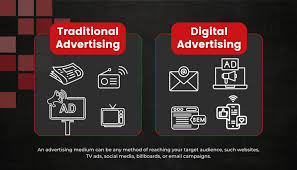
Another advantage of IT digital marketing is its measurability. Unlike traditional marketing methods such as print ads or TV commercials, digital marketing provides real-time analytics that allow businesses to track the performance of their campaigns accurately. This data-driven approach enables companies to make informed decisions and optimise their strategies for better results.
Moreover, IT digital marketing fosters engagement and interaction with customers. Through social media platforms and other online channels, businesses can interact with their audience in real-time, respond to queries and feedback promptly, and build lasting relationships that foster brand loyalty.
In conclusion, IT digital marketing is an indispensable tool for businesses looking to stay competitive in today’s digital landscape. By harnessing the power of technology and leveraging digital channels effectively, companies can expand their reach, increase brand awareness, drive sales, and ultimately achieve business success.
Exploring the Intersection of IT and Digital Marketing: Key Questions Answered
- Will AI replace digital marketers?
- What are the 4 types of digital marketing?
- Which is best digital marketing or it?
- Is digital marketing part of it?
- What is digital marketing in information technology?
Will AI replace digital marketers?
The question of whether AI will replace digital marketers is a topic of much debate and speculation. While artificial intelligence is indeed transforming the landscape of digital marketing by automating routine tasks, analysing vast amounts of data, and offering insights that can enhance decision-making, it is unlikely to completely replace human marketers. AI excels at processing information and identifying patterns, but it lacks the creativity, emotional intelligence, and strategic thinking that human marketers bring to the table. Instead of viewing AI as a replacement, it should be seen as a powerful tool that can augment the capabilities of digital marketers. By handling repetitive tasks and providing valuable data-driven insights, AI allows marketers to focus on more complex aspects such as crafting compelling narratives and building meaningful relationships with customers. In essence, the future of digital marketing is likely to be a collaborative effort between human ingenuity and artificial intelligence.
What are the 4 types of digital marketing?
When it comes to IT digital marketing, there are four main types of strategies that businesses commonly utilise to promote their products or services. These include search engine optimisation (SEO), pay-per-click (PPC) advertising, social media marketing, and email marketing. SEO focuses on improving a website’s visibility in search engine results pages, while PPC advertising involves paying for ad placements on search engines or websites. Social media marketing utilises social platforms to engage with audiences and promote products, and email marketing involves sending targeted messages to a subscriber list. Each of these digital marketing types offers unique advantages and can be tailored to suit different business goals and target audiences.
Which is best digital marketing or it?
When comparing digital marketing and information technology (IT) in the context of business strategies, it’s essential to understand that they are not mutually exclusive but rather complementary. Digital marketing focuses on promoting products or services through online channels, while IT involves the use of technology to manage and process information effectively. Both disciplines play crucial roles in modern business operations, with digital marketing driving customer engagement and sales, and IT supporting the infrastructure and systems needed for these activities to run smoothly. Ultimately, the best approach is to integrate digital marketing strategies with IT solutions to create a cohesive and efficient business model that maximises results and enhances overall performance.
Is digital marketing part of it?
Digital marketing is closely related to IT (Information Technology) but is not typically considered a direct part of it. While IT focuses on the management and maintenance of technology infrastructure, digital marketing leverages digital channels and platforms to promote products or services, reach target audiences, and drive sales. However, IT plays a crucial supporting role in digital marketing by ensuring the smooth functioning of digital tools and technologies used in marketing campaigns. Therefore, while digital marketing and IT are interconnected, they are distinct disciplines that work together to help businesses thrive in the digital age.
What is digital marketing in information technology?
Digital marketing in information technology refers to the use of digital channels and technologies to promote products or services within the IT industry. It encompasses a wide range of online strategies, such as social media marketing, email campaigns, search engine optimisation (SEO), content marketing, and more, to reach and engage with target audiences effectively. In the context of information technology, digital marketing plays a crucial role in showcasing technological solutions, software products, IT services, and innovations to a global audience. By leveraging digital platforms and data analytics, businesses in the IT sector can drive brand awareness, generate leads, increase sales, and stay ahead of the competition in today’s digital age.