Web-Based Marketing: A Practical Guide for Businesses
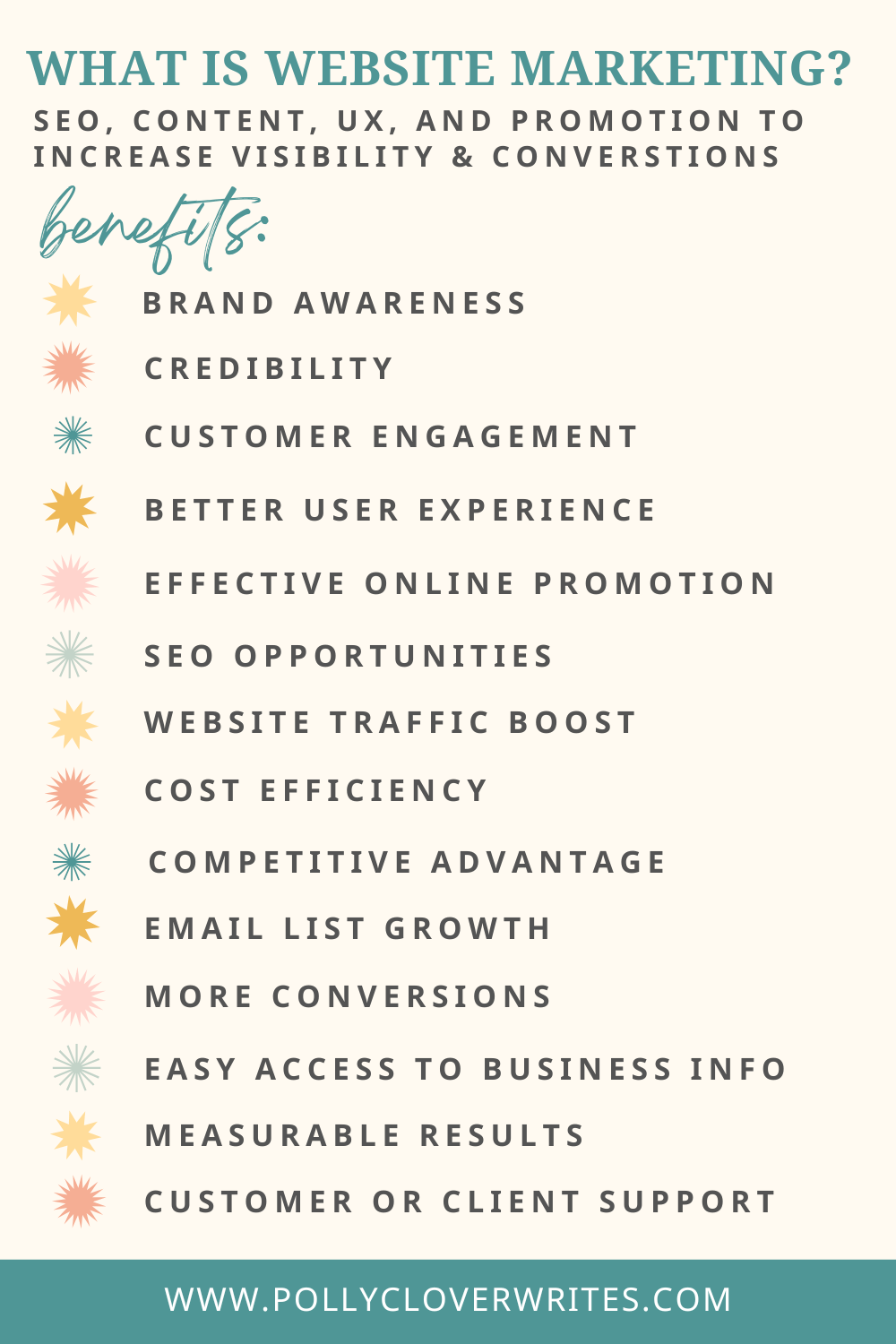
Web-based marketing is the promotion of a business, product or service through online channels. It brings together a company’s website, search engines, social media, email and digital advertising to help reach potential customers and build lasting relationships.
For businesses of every size, a well-planned online presence can make it easier for people to discover what they offer, compare options and get in touch. The best results usually come from using several channels in a coordinated way, rather than relying on a single campaign or platform.
What does web-based marketing include?
Web-based marketing covers a range of activities, including:
- Website marketing: Creating a clear, useful website that explains what a business offers and makes it easy for visitors to take action.
- Search engine optimisation (SEO): Improving website content and structure so that relevant pages can appear in organic search results.
- Content marketing: Publishing useful articles, guides, videos or other resources that answer questions and demonstrate expertise.
- Social media marketing: Sharing content, communicating with audiences and building a community on suitable social platforms.
- Email marketing: Sending relevant updates and offers to people who have chosen to receive communications.
- Online advertising: Using paid search, display adverts, sponsored posts or other digital placements to reach selected audiences.
- Analytics and optimisation: Reviewing performance data and making improvements to campaigns and website pages.
Why is it important?
Many people use the internet to research products and services before making a decision. A business that is easy to find and provides clear, helpful information has a better chance of being considered. Online channels can also help businesses speak to particular audiences, test different messages and measure how people respond.
Web-based marketing can support a range of goals, such as increasing awareness, generating enquiries, encouraging online sales or retaining existing customers. The right approach depends on the business, its audience and what it wants to achieve.
Start with a clear strategy
Effective marketing begins with a clear understanding of the audience. Consider who your customers are, what they need and where they look for information. This can help you choose the most appropriate channels and create content that is genuinely useful.
It is also important to set specific goals. For example, a business might aim to increase relevant website visits, generate more qualified enquiries or improve repeat purchases. Clear goals make it easier to decide which measures to track and whether a campaign is working.
Build a website that works for visitors
A website is often the central point of a business’s online presence. It should load reliably, work well on mobile devices and make key information easy to find. Visitors should be able to understand what the business does, who it serves and what they can do next.
Useful pages, straightforward navigation, clear calls to action and accurate contact details all contribute to a better experience. Accessibility matters too: readable text, descriptive links, captions for video and thoughtful colour contrast can make a website easier to use for more people.
Create useful content and improve visibility
Content can help answer customers’ questions and demonstrate a business’s knowledge. Rather than publishing for the sake of it, focus on topics that matter to the intended audience. A helpful guide, for instance, may be more valuable than a series of brief posts with little practical information.
SEO supports this work by helping search engines understand a website’s pages. Relevant page titles, clear headings, useful copy and a logical site structure are good foundations. SEO is an ongoing process, and strong results generally take time; there is no reliable shortcut to lasting visibility.
Choose channels carefully
Not every business needs to use every online channel. A business-to-business organisation may find that informative articles and professional networking are useful, while a local shop may prioritise local search, customer reviews and social media. Email can be effective for keeping in touch with customers, provided messages are relevant and sent appropriately.
Paid advertising can help businesses reach people more quickly, but it requires careful budgeting and monitoring. Start with a defined objective, test a manageable campaign and assess the quality of the results—not just the number of clicks.
Measure, learn and improve
Analytics can show how people find and use a website, which content attracts attention and whether visitors complete important actions. Useful measures might include relevant visits, enquiry submissions, sales, email sign-ups or the cost of acquiring a customer.
Data should be interpreted in context. A rise in website traffic is not necessarily valuable if the visitors are unlikely to become customers. Reviewing performance regularly can help identify what is working, where people encounter difficulties and what to try next.
Respect privacy and build trust
Trust is essential in online marketing. Businesses should be transparent about who they are, what they offer and how they use customer information. In the UK, organisations must consider applicable data protection and electronic marketing rules, including the UK GDPR, the Data Protection Act 2018 and the Privacy and Electronic Communications Regulations (PECR). Requirements vary depending on the activity, so businesses should check current guidance and seek professional advice where needed.
Clear privacy information, appropriate consent practices and an easy way to manage marketing preferences help support responsible communication. Avoid misleading claims, intrusive tactics and purchased contact lists that have not been obtained and used lawfully.
Conclusion
Web-based marketing works best when it is planned around real customer needs. A useful website, relevant content, carefully chosen channels and regular performance reviews can help a business build visibility and develop stronger customer relationships. Start with clear goals, focus on quality and make improvements as you learn what works.
Web-Based Marketing: 9 Frequently Asked Questions for UK Businesses
- What is web-based marketing?
- Why is web-based marketing important for businesses?
- What are the main types of web-based marketing?
- How can a business get started with web-based marketing?
- How much does web-based marketing cost?
- How long does it take to see results from web-based marketing?
- How can I improve my website’s visibility in search engines?
- How can I measure the success of a web-based marketing campaign?
- What data protection and privacy rules apply to web-based marketing in the UK?
What is web-based marketing?
Web-based marketing is the promotion of a business, product or service through online channels. It can include a website, search engine optimisation (SEO), social media, email campaigns, content and paid online advertising. These channels help businesses reach potential customers, share useful information and encourage actions such as making an enquiry or purchase. A good approach focuses on the needs of its audience and uses suitable channels to achieve clear marketing goals.
Why is web-based marketing important for businesses?
Web-based marketing is important because it helps businesses reach customers where they increasingly search for information, compare products and make purchasing decisions. Through channels such as websites, search engines, social media and email, businesses can raise awareness, share useful information and connect with relevant audiences. Online campaigns can also be measured, making it easier to understand what is working and improve marketing activity over time.
What are the main types of web-based marketing?
The main types of web-based marketing include search engine optimisation (SEO), content marketing, social media marketing, email marketing and paid online advertising, such as search or display adverts. Businesses may also use affiliate marketing, influencer partnerships and online public relations to reach new audiences. The most suitable mix depends on your goals, audience and budget; combining relevant channels often works better than relying on just one.
How can a business get started with web-based marketing?
A business can get started with web-based marketing by defining its goals and identifying the audience it wants to reach. Create a clear, mobile-friendly website with useful information and an obvious next step, such as making an enquiry or purchasing a product. Then choose the online channels most relevant to your customers—such as search engines, social media or email—and publish helpful, consistent content. Start with a manageable budget, track results against specific measures and use what you learn to improve your approach. Remember to follow applicable UK privacy and marketing rules when collecting or using personal data.
How much does web-based marketing cost?
The cost of web-based marketing varies depending on your goals, the channels you choose and whether you manage campaigns in-house or hire specialists. A business might spend very little on organic activities such as social media and content creation, while paid advertising, SEO services, email platforms and website development can require larger ongoing budgets. Start by setting clear objectives, deciding what you can afford and testing a focused campaign; then review the results and adjust your investment based on what delivers value.
How long does it take to see results from web-based marketing?
The time it takes to see results from web-based marketing depends on the channels used, your goals, budget and audience. Paid advertising can generate visits or enquiries soon after a campaign launches, while SEO and content marketing usually take longer—often several months—to build visibility and momentum. Results also depend on the quality of your website, offer and messaging. Track relevant measures regularly and use what you learn to improve your campaigns over time.
How can I improve my website’s visibility in search engines?
To improve your website’s visibility in search engines, publish useful, original content that answers the questions your audience is asking, and use clear page titles, headings and descriptions that accurately reflect each page. Make sure your site is fast, mobile-friendly, secure and easy to navigate, with links connecting related pages. Research relevant search terms and include them naturally rather than forcing them into your copy. You can also improve local visibility by keeping your business details consistent across online listings and encouraging genuine customer reviews. SEO takes time, so monitor performance with analytics and search tools, then update your content and site based on what you learn.
How can I measure the success of a web-based marketing campaign?
You can measure the success of a web-based marketing campaign by comparing its results with the goals you set at the outset. Track relevant metrics such as website visits, enquiries, sales, email sign-ups, conversion rates and cost per acquisition, using analytics tools and campaign reports. Look beyond clicks and impressions to see whether the campaign is reaching the right audience and generating meaningful outcomes. Review performance regularly, taking account of your budget and timeframe, and use what you learn to refine future campaigns.
What data protection and privacy rules apply to web-based marketing in the UK?
In the UK, web-based marketing is mainly governed by the UK GDPR, the Data Protection Act 2018 and the Privacy and Electronic Communications Regulations (PECR). Businesses must handle personal data lawfully and transparently, explain how it is used, keep it secure and respect people’s rights. PECR generally requires consent before using non-essential cookies or similar technologies, and electronic marketing by email or text to individuals usually requires consent, although a limited “soft opt-in” may apply to existing customers in certain circumstances; every message must identify the sender and provide a way to opt out. Rules can differ for marketing to businesses, but personal data protections still apply, and live marketing calls may require screening against the Telephone Preference Service or Corporate Telephone Preference Service. As requirements depend on the audience and method used, businesses should check current guidance from the Information Commissioner’s Office (ICO).